7 Signs You Need a Modern Hammer Post Driver
There was a time when driving posts meant a sledgehammer, a ladder, and a lot of sweat. Traditional tools got the job done, but they asked a lot from the person swinging them. Today's post driver machines have replaced most of that manual work, and for good reason.
Still, a lot of farmers and contractors are working with equipment that hasn't kept pace with that shift. Maybe it's an early-generation post driver. Maybe it's still leaning on manual methods for parts of the job.
Either way, there's usually a point where holding onto the old approach starts costing signs that point has arrived.
1. The Job Is Taking Longer Than It Should
With a sledgehammer or an ageing post driver, a fencing run that used to take two days can stretch into three. The pace slows down without the work getting any harder.
Manual methods and older post driver machines lose efficiency in different ways. A hammer wears out an arm. An older machine loses hydraulic pressure and cycle speed. Either way, the result is the same: the job takes longer than it should.
A modern hammer post driver delivers consistent, fast cycle times from the first post to the last. When the equipment is right, the job moves at the pace it's supposed to.
2. Posts Aren't Going In Straight
Swinging a sledgehammer by hand makes it hard to keep every strike perfectly aligned, especially post after post, hour after hour. A fence line that drifts or leans isn't just an eyesore. It's a structural problem that shows up under load.
Older, worn, or underpowered post driver machines run into the same issue. The operator ends up compensating manually, and results vary from post to post.
Modern post driver machines deliver controlled force with every strike. Depth stays uniform. Alignment stays cleaner. The fence line looks right and holds up the way it's supposed to.
3. Hard Ground Is Stopping the Job
Every property has sections that fight back. Rocky patches. Compacted clay. Ground that was workable last season and isn't this one.
Traditional tools and older machines both hit a wall here. A sledgehammer can only deliver so much force. An underpowered post driver grinds to a halt the moment conditions change.
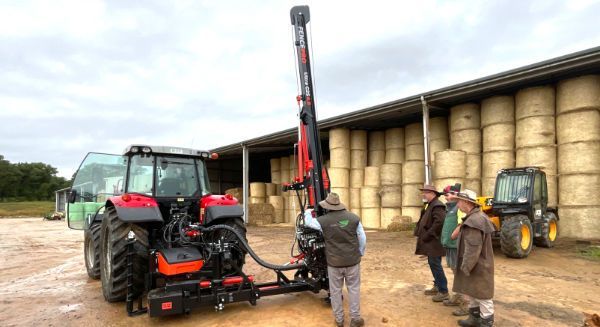
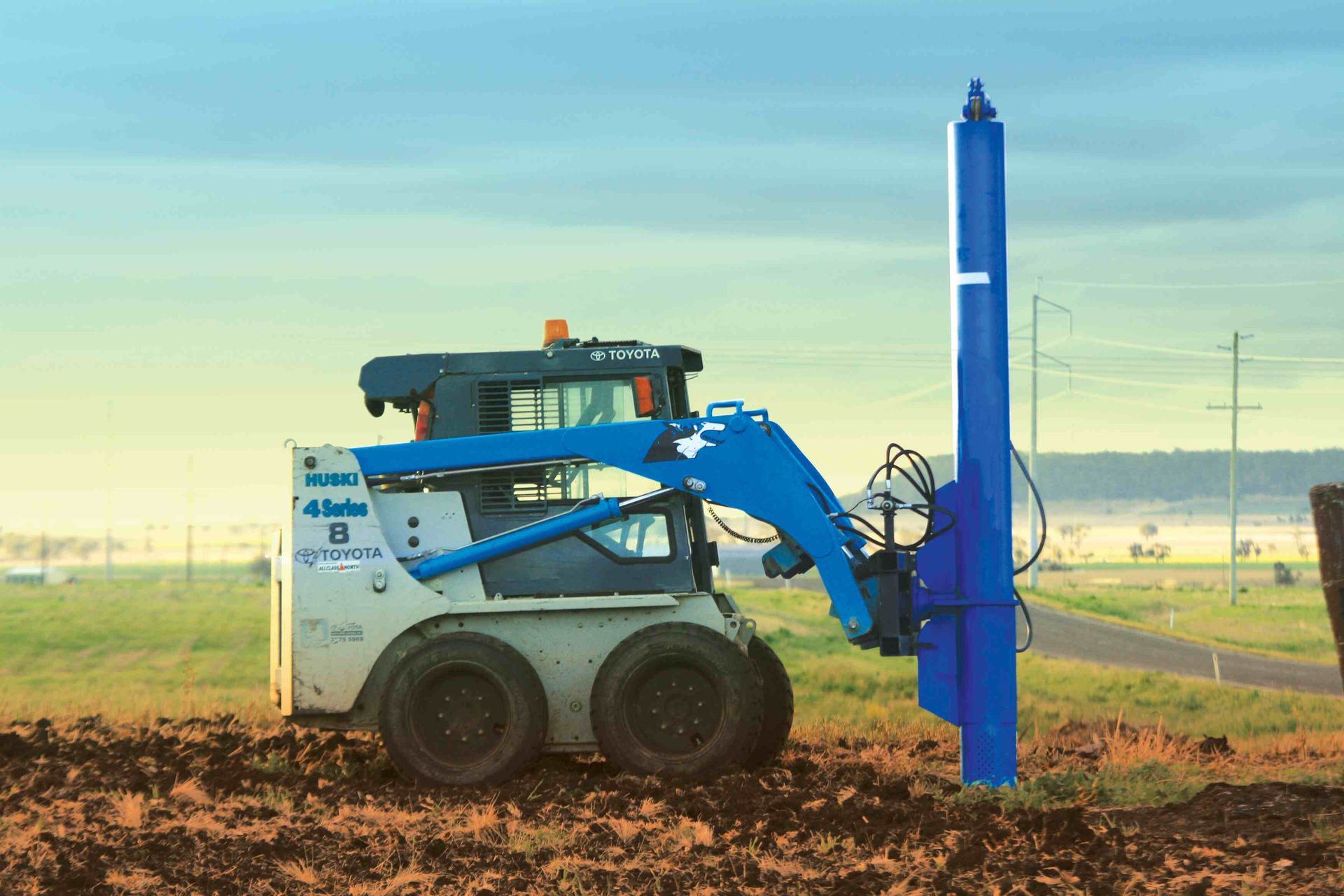
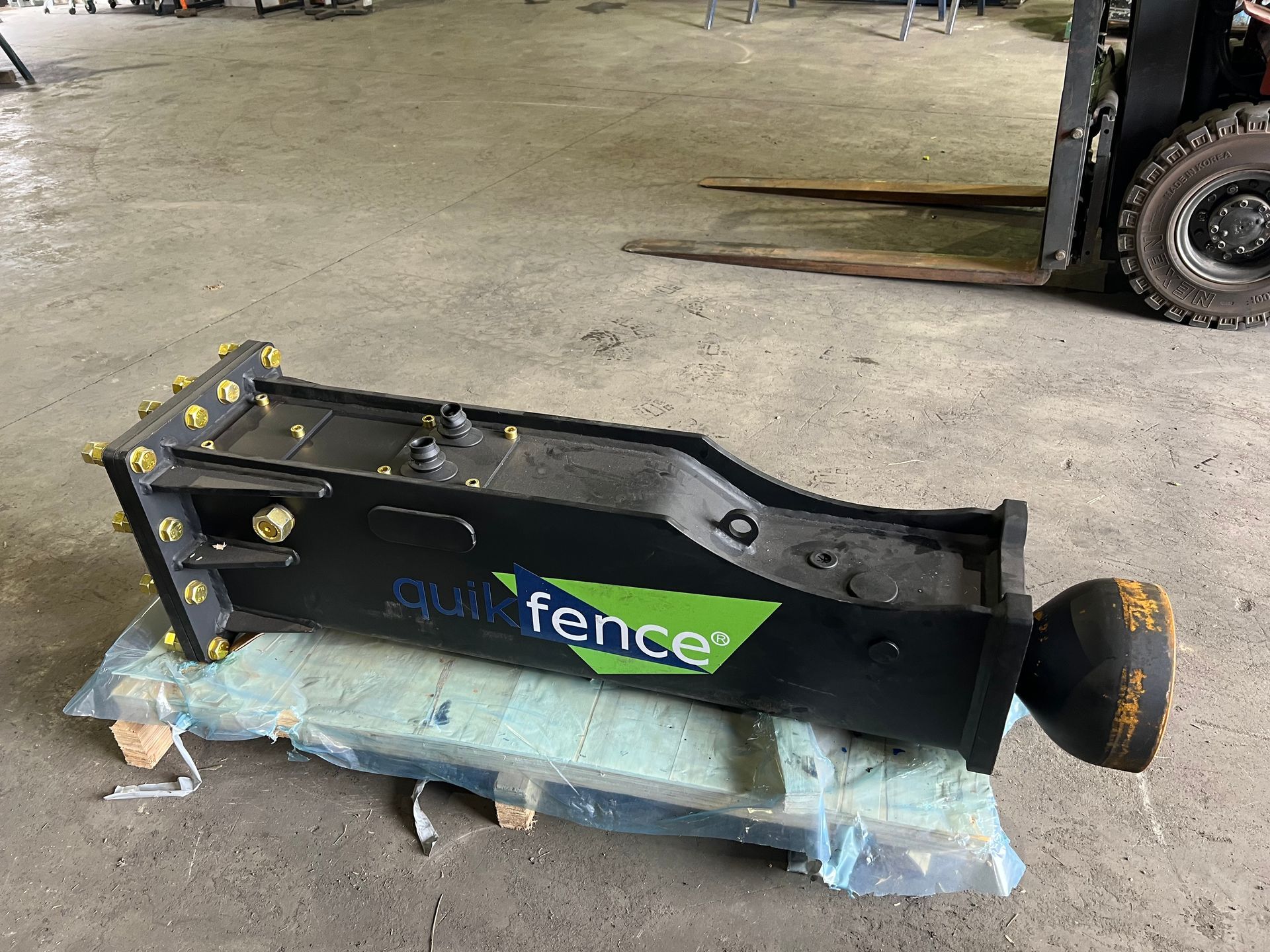
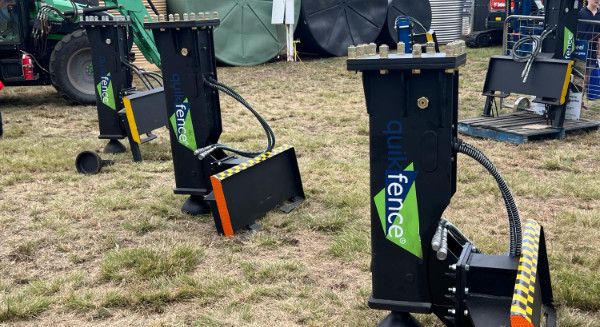
A heavy-duty hammer post driver built for Australian conditions handles that variation. Rock spike attachments break through the hardpan. Percussion-style drivers like the ThunderPro use a jackhammer action to get posts through ground where manual effort or hydraulic pressure alone won't.
ps moving regardless of what's underneath.
4. The Operator Is Worn Out Before the Job Is Done
Fatigue is one of the most reliable signs that the equipment isn't doing enough of the work.
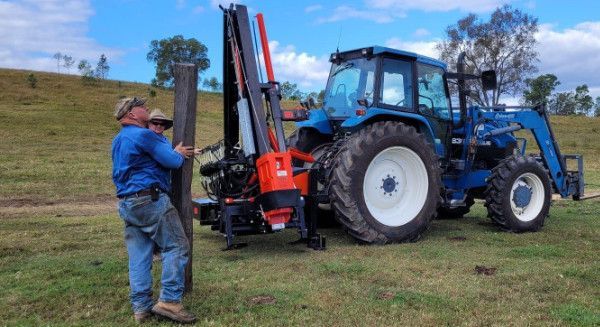
Manual driving methods put the load entirely on the operator's body. Older post drivers that vibrate excessively, need constant manual adjustment, or force the operator to steady posts by hand aren't much better.
The benefits of modern hammer post drivers include significantly reduced operator fatigue. Better design, smarter controls, and systems that keep the operator away from the heavy work mean more hours of productive our.tput
before the day starts to drag.
5. Safety Has Become a Concern
Traditional methods and older post drivers were never built to today's safety standard. Swinging a heavy hammer repeatedly carries its own risk, and some older machines don't have the safety systems modern equipment carries as standard.
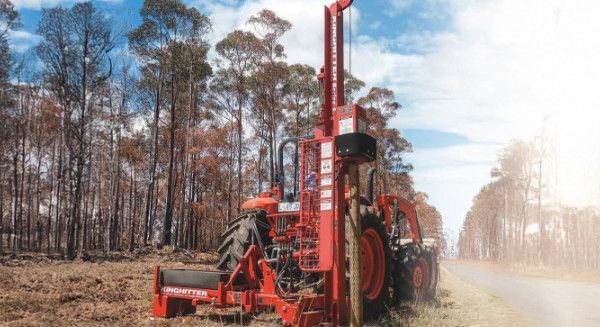
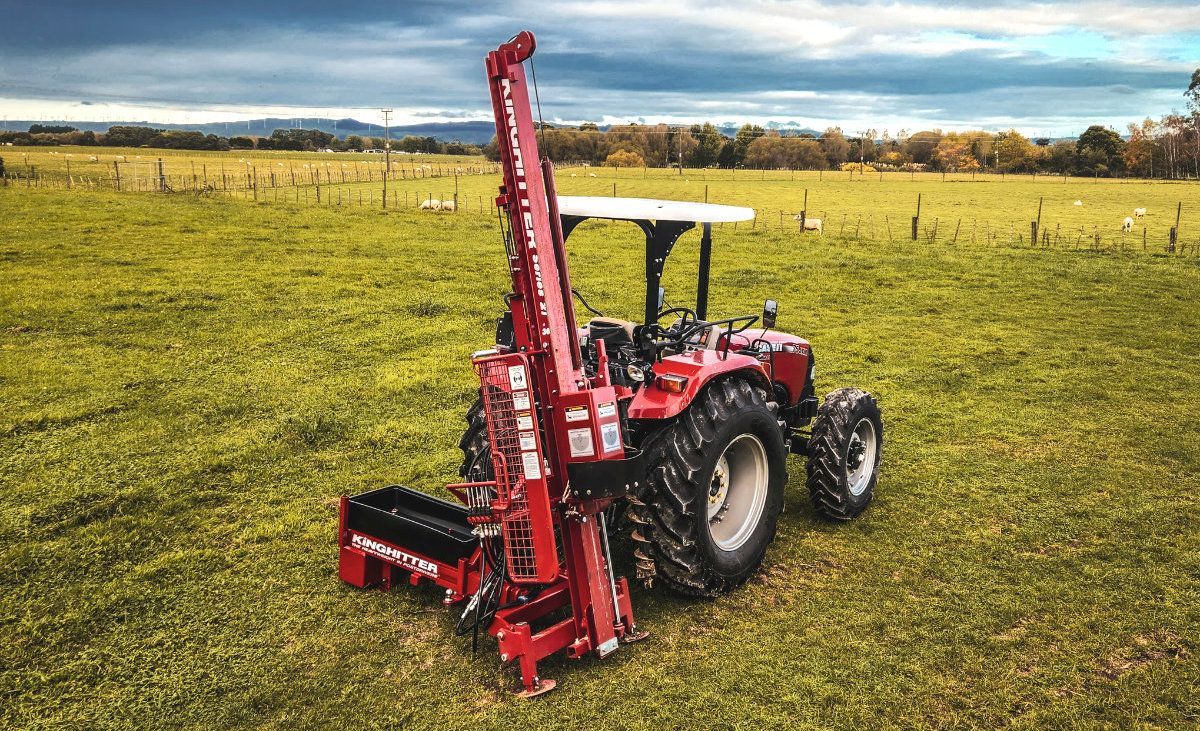
A modern hammer post driver like the KingHitter comes with an Active Safety System built in. The operator stays clear of the impact zone throughout. The post is held in place during driving. If something fails mid job, the machine is built to stop rather than create a hazard.
On a job involving hundreds of posts across a long day, those safety features aren't extras. They're what keeps everyone in one piece.
6. Maintenance Is Becoming a Regular Problem
If the post driver machine is spending more time being fixed than being used, something has shifted.
Older machines reach a point where wear happens faster than maintenance can keep up with. Parts become harder to find. Repairs become more frequent.
Downtime starts eating into fencing seasons that can't afford it, something a hammer never had to worry about, but a modern machine is built to handle properly.
A modern machine built for Australian conditions is designed with durability in mind. Stronger components, better hydraulic systems, and designs that hold up under constant use without demanding constant attention.
7. The Work Has Grown But the Machine Hasn't
Properties change. Fencing demands increase. What once suited the volume and conditions on the property, whether that was hand tools or an early post driver, no longer keeps up with what's being asked of it now.
A machine that was right five years ago might not be right for the work today. More posts. Tougher ground. Less help available to get it done.
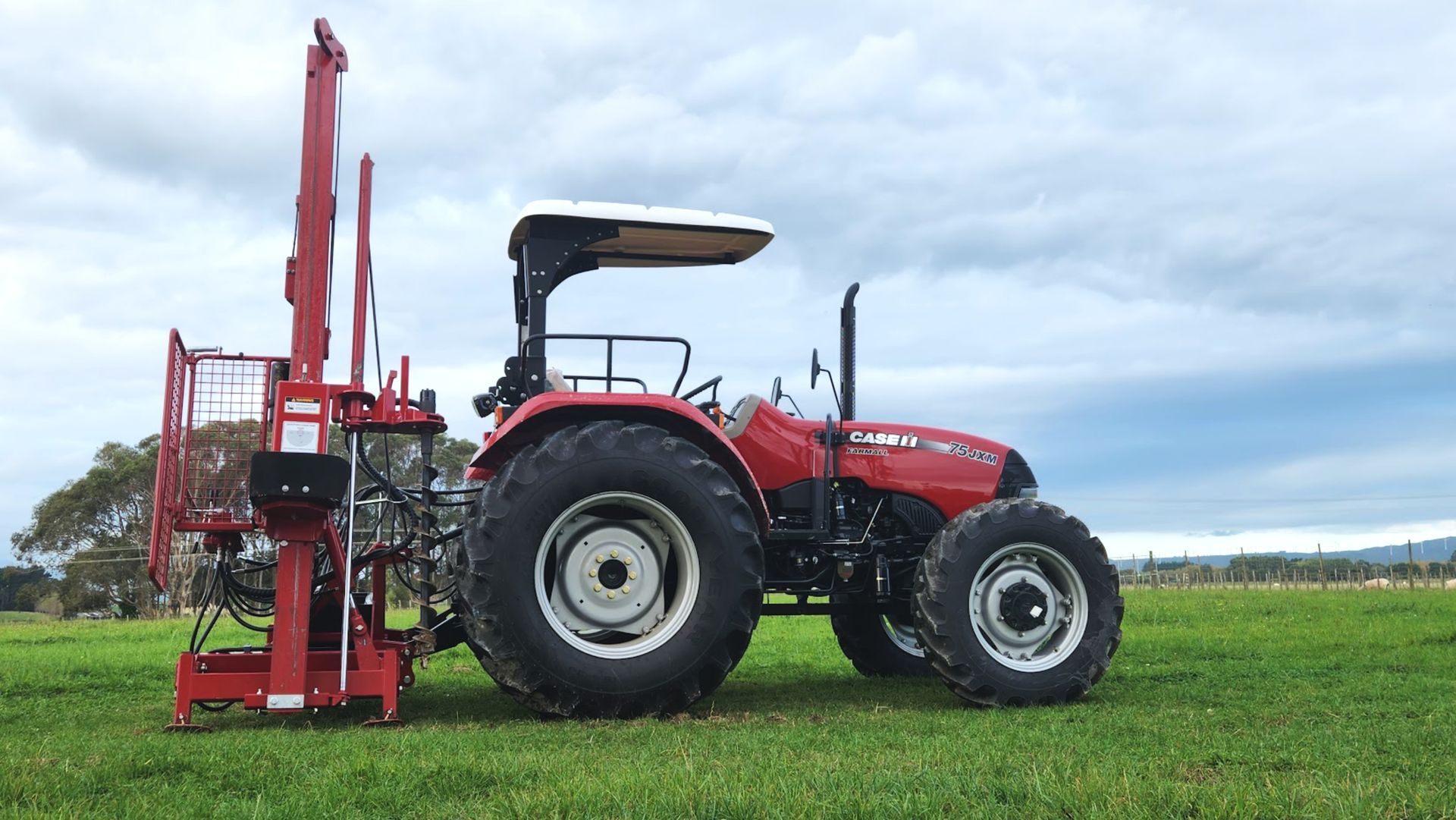
A heavy-duty hammer post driver Australia contractors rely on scales with that demand. From versatile mid-range machines that handle mixed conditions through to top-end units built for daily contractor use across the hardest ground in Australia.
The Right Time to Upgrade
Not every setup needs replacing immediately, whether it's an old machine or a method that's stuck around out of habit. But when several of these signs are showing up regularly, the upgrade conversation becomes less about cost and more about what sticking with traditional tools or outdated equipment is actually costing.
Modern post drivers are built around how fencing work actually happens. Faster results. Safer operation. Less physical demand on the operator. And consistent performance across conditions that traditional tools and older machines simply weren't designed for.
QuikFence supplies a range of modern hammer post drivers suited to Australian conditions, including the FencePro, KingHitter, ThunderPro, and
Bryce Suma. Call us to discuss which one suits your work.
Click To Paste
The Post by QuikFence