Wild Pig Fencing: What Height and Wire Do You Need?

Wild pigs are on the move. If you've seen fresh rooting in a paddock, a trashed crop edge or a gate that's been pushed open, you already know the problem. The next question is always the same. What sort of fence will actually stop them?
Most farmers start with height. With pigs, height is only half the story. A fence that works for sheep or cattle can fall over in a night when a mob of pigs leans on it.
Here's what to think about before you buy a single roll of wire.
Why Wild Pigs Are a Different Problem
Feral pigs cover close to half of Australia. Industry estimates put the cost to agriculture at more than $150 million a year. They wreck crops, tear up pasture, and push through ordinary fences.
Sheep and cattle fences are built to keep stock in. They're usually around 1.2 m high and rely on animals respecting the wire. Pigs don't. They push, root, and dig. A standard stock fence is just something to get through.
So a pig fence has a different job. It needs to keep a strong, determined animal out.
Pigs Go Under and Through, Not Just Over
This is where most people get it wrong.
Pigs rarely jump a fence. They put their snout under the bottom wire and lift. They lean on the mesh. They find the loose spot and keep working it.
That means the bottom of the fence matters more than the top. A good rule of thumb from Australian fencing advisers is that a pig-proof fence needs to be low, tight and strong. Keep the bottom wire close to the ground, no more than about 15 cm off it, and don't leave gaps for a snout to get into.
What Height Should a Wild Pig Fence Be?
If pigs are your only problem, you don't need a very tall fence. You need a strong, tight one that sits hard to the ground.
But most farms don't have just pigs. Kangaroos, wallabies, deer, and wild dogs often turn up on the same fence line. For that mix, Australian guidelines point to a taller exclusion fence. The national guidance for deer fencing sets a minimum of 1.9 m, with mesh rated 17/190/15 and posts no more than 10 m apart. The same design also stops kangaroos, pigs, and wild dogs from jumping or pushing through.
So the height you need depends on what's hitting your fence:
- Pigs only: a strong mesh fence kept tight to the ground, with a low electric wire as backup.
- Pigs and roos or wallabies: start around 1300 mm to 1600 mm and go taller if the pressure is heavy.
- Pigs, deer, and other big feral animals: think about 1.9 m to 2.1 m.
Close the Gap at Ground Level
Even a tall fence fails if pigs can get under it. There are two common fixes.
A mesh apron. This is a skirt of netting laid flat on the outside of the fence, usually about 30 cm wide. When a pig tries to dig, it hits wire instead of dirt. If you use an apron, keep your posts closer together, around 5 m apart.
An electric outrigger wire. One hot wire set out from the fence, somewhere between 20 cm and 60 cm off the ground, takes the pressure off the mesh and the apron. Pigs learn fast. One sharp touch on the nose and they back off.
Many farmers use both. The mesh holds the line, and the electric wire keeps them off it.
Match the Fence to the Pressure
You rarely need the same fence along the whole boundary.
A creek crossing, a gully, a bush edge, or a corner pigs have used for years will take more punishment than the rest of the line. It makes sense to build the main fence to a solid standard, then add extra height, an apron, or electric wire in the high-pressure spots.
Check your gates too. A gate that's lower or looser than the fence becomes the new way in.
It also helps to talk to your neighbours. Pigs don't care about boundaries. When more properties fence and control pigs together, the whole district sees fewer of them.
Better Posts Mean a Better Pig Fence
A pig will test every weak point in your fence. Posts that lean, strainers that move, and ends that give way are all invitations.
Strong end assemblies and straight, evenly driven posts hold tension in the mesh. Without that tension, the wire sags and pigs get through.
This is where the right gear pays off. A good
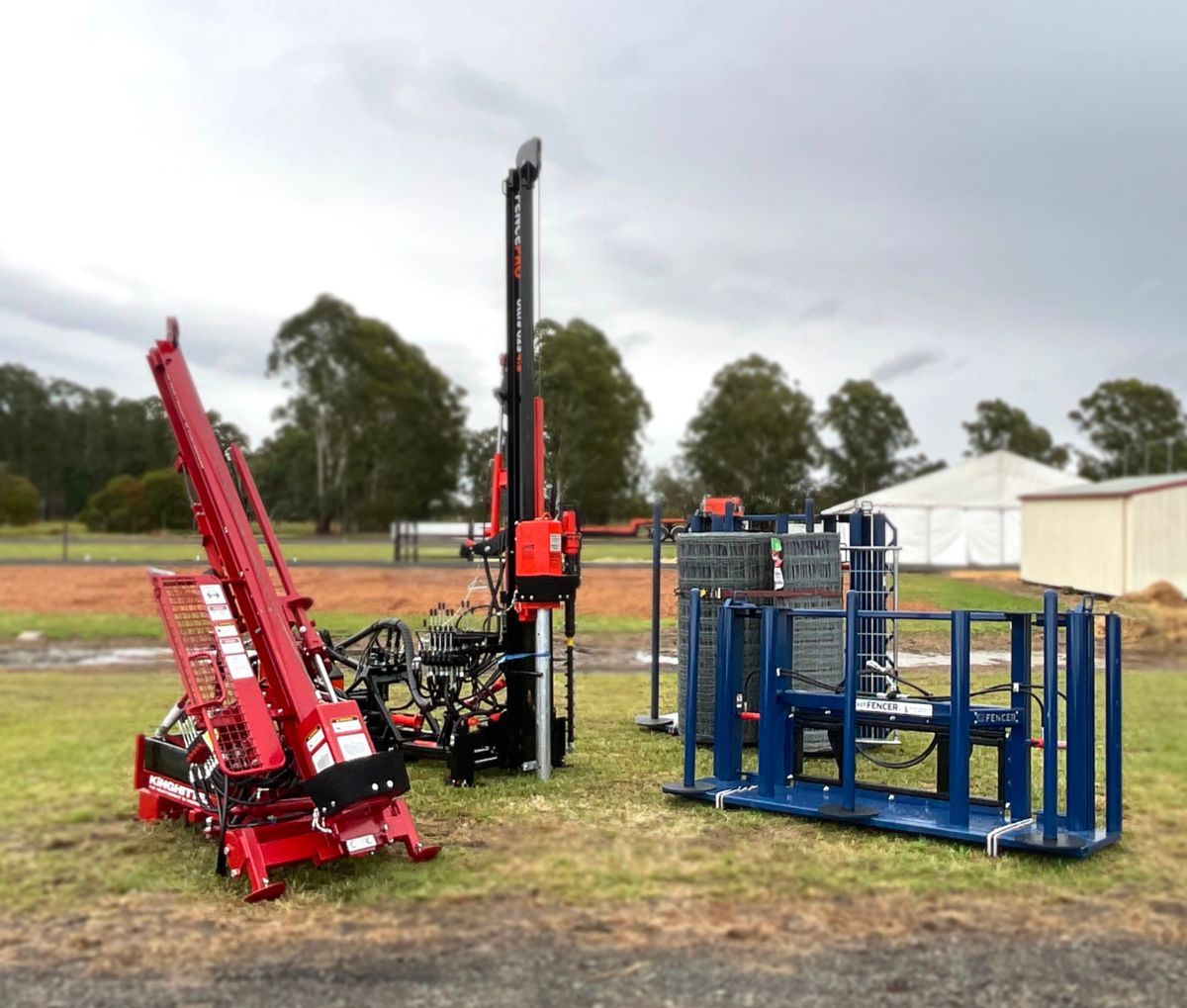
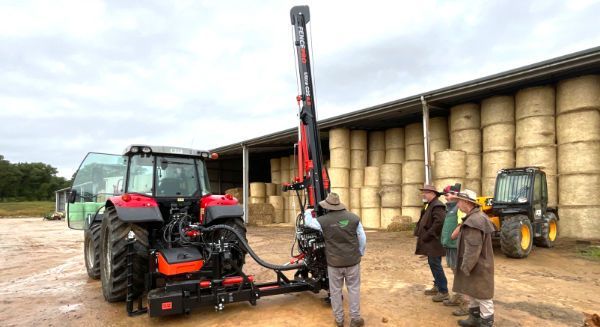
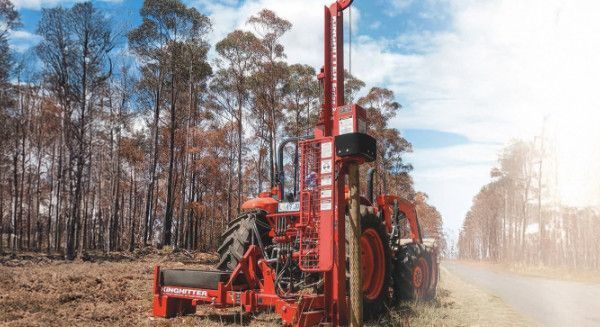
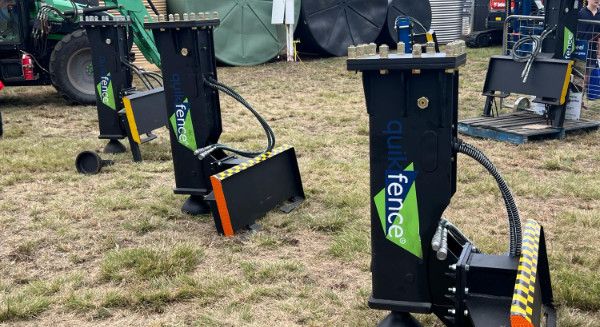
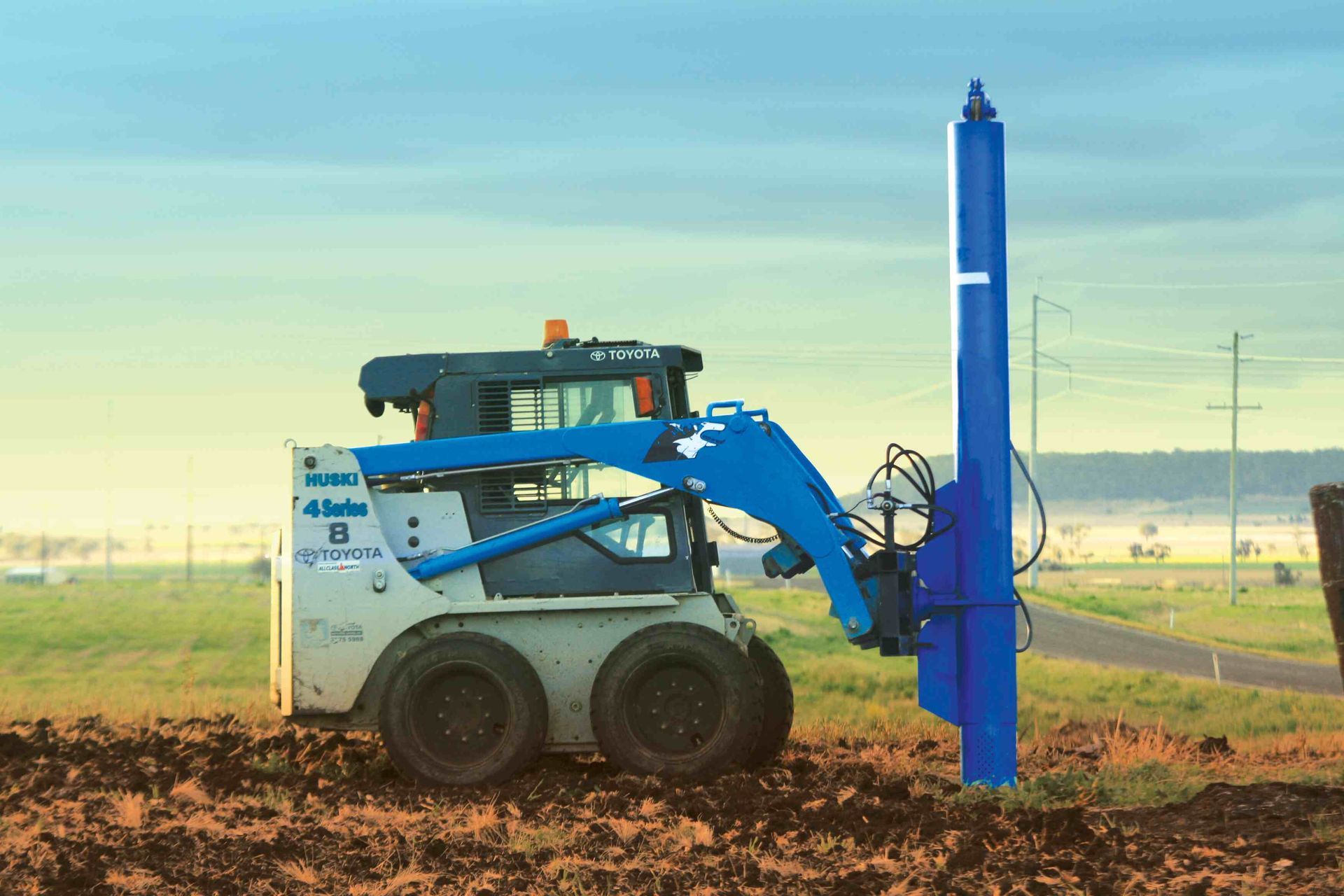
post driver puts posts in straight and at the same depth, even in hard ground. A
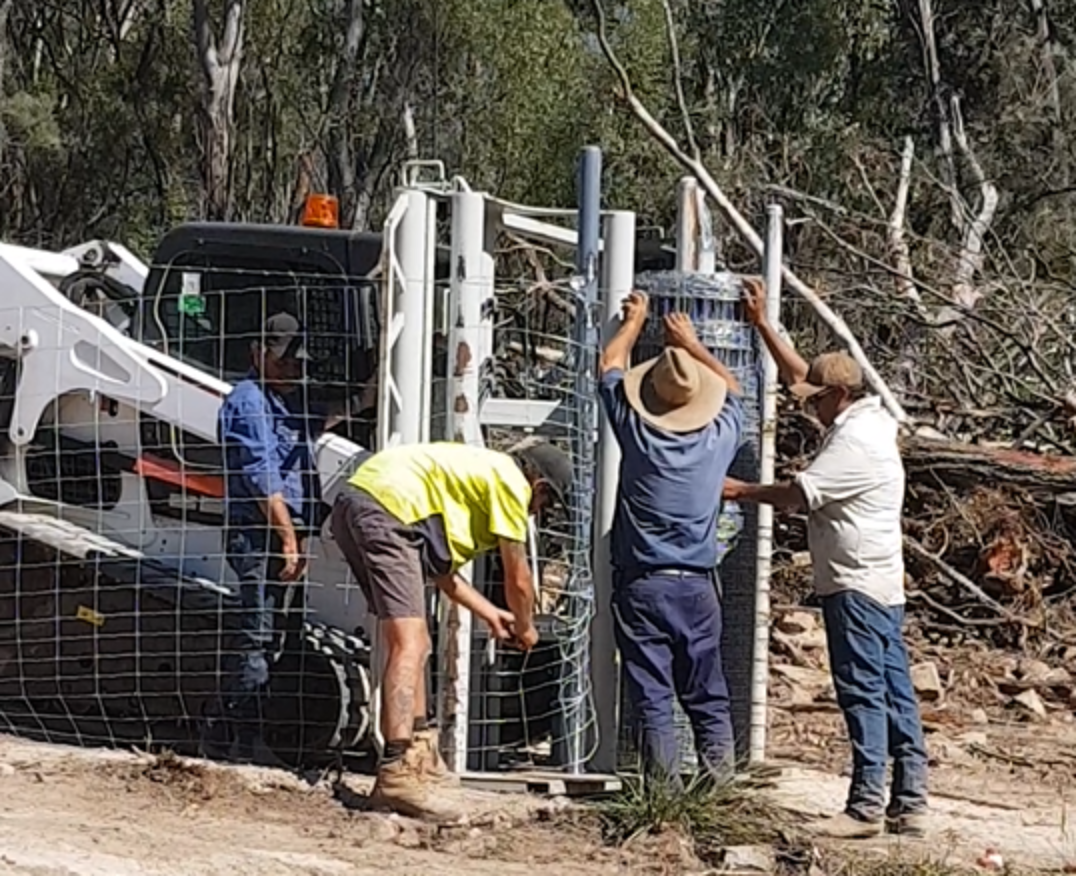
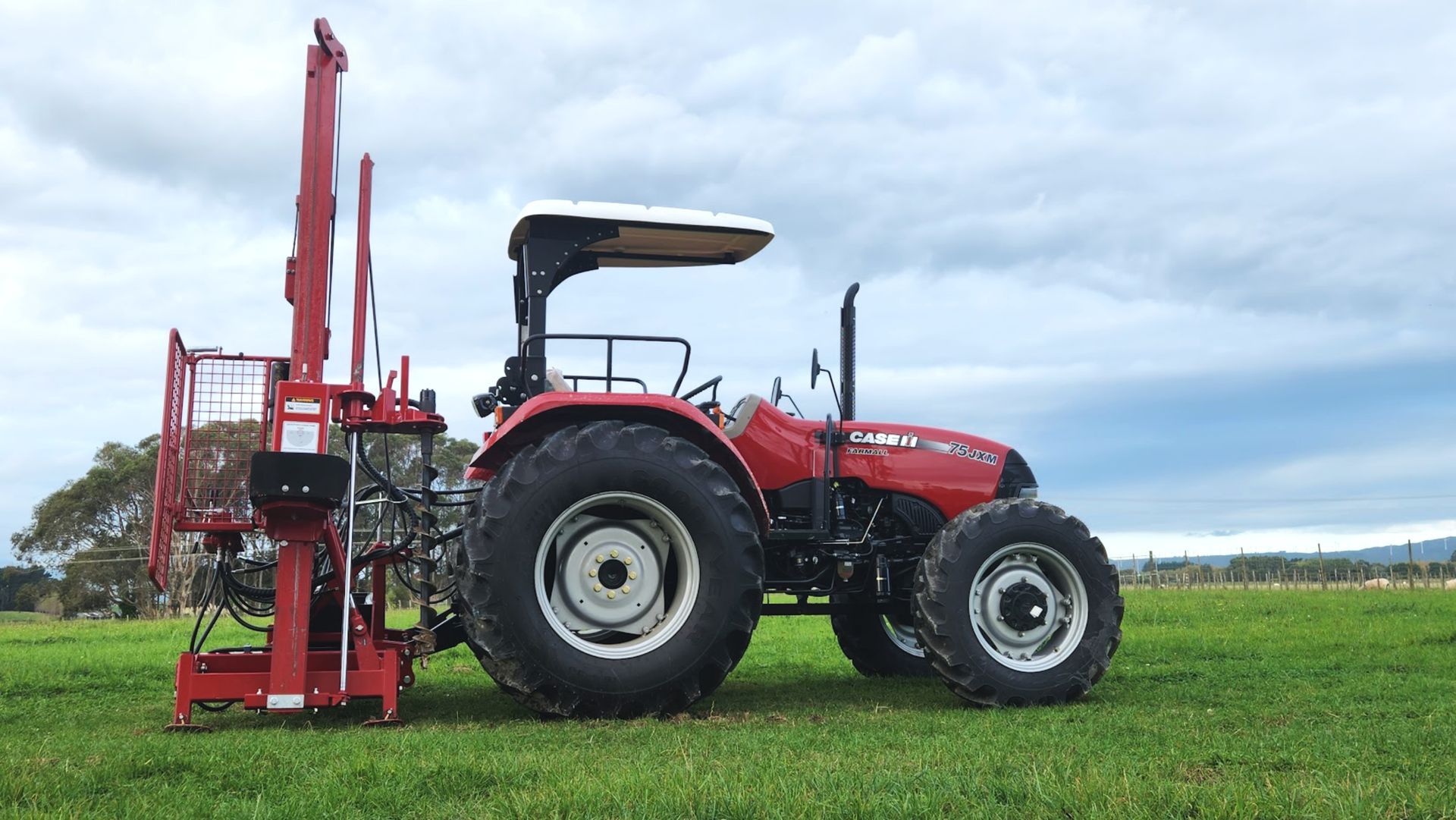
FastFencer carries up to three rolls of netting and rolls it out ready to strain, which saves your back on a long run of heavy mesh. It comes in 1300mm, 1600mm and 2100mm high models, so you can pick the one that suits the fence you're building.
Only need it for one job? You can also look at
hiring fencing equipment
instead of buying.
What Does a Pig Fence Cost?
It isn't cheap, and it's worth planning for. One Queensland catchment group costed a robust mesh pig fence at around, and your price will depend on the design, the ground, and the materials.
The way to look at it is simple. Work out what the pigs are costing you in lost crop and repairs each year, and compare that to the fence. For a high-value crop, a good fence can pay for itself quickly. It's also worth checking with your local land services or council, as some regions offer grants or support for exclusion fencing.
Get the Design Right Before You Buy
What do you need to keep wild pigs out? A tight, strong mesh fence that sits close to the ground. A mesh apron or low electric wire to stop digging and pushing. And extra height if roos, wallabies, or deer are part of the problem.
QuikFence supplies farm fencing materials, end assemblies, post drivers, and fencing machines built for Australian conditions. Get in touch with our team on 1800 062 723, and we'll help you work out the right design, the right materials and the right machine for your property.
The Post by QuikFence