Is It Cheaper to Hire or Buy Fencing Equipment for a One-Off Job?
A fence job is on the list. Maybe it’s a boundary line that has finally given up, or a new paddock split before the season turns. The question comes up quickly: is it smarter to hire the machinery or buy it?
The answer isn’t the same for everyone. It depends on how often the work comes around, how big the job is, and what the equipment would be doing the rest of the year.
Start With the Honest Question: How Often Will It Be Used?
This one question settles most of the decision.
A single boundary fence, a flood repair, or a one-off exclusion fence is a project. Equipment bought for a project can sit in the shed for years afterwards. Storage, servicing and finance repayments carry on whether the machine is working or not.
For a fencing contractor or a property that fences every season, the picture changes. Regular use spreads the purchase cost across many jobs, and the machine earns its place.
If the work is occasional, hiring is usually the more cost-effective option. If it’s constant, buying starts to make sense.
What Hiring Actually Covers
The hire price looks small next to a purchase price. What’s easy to overlook is everything that comes with it.
QuikFence hire equipment is well maintained and ready to work when the job starts. There’s no servicing to organise, no wear parts to stock and no machine to store afterwards. The job finishes and the equipment goes back.
The range covers the whole fence build:
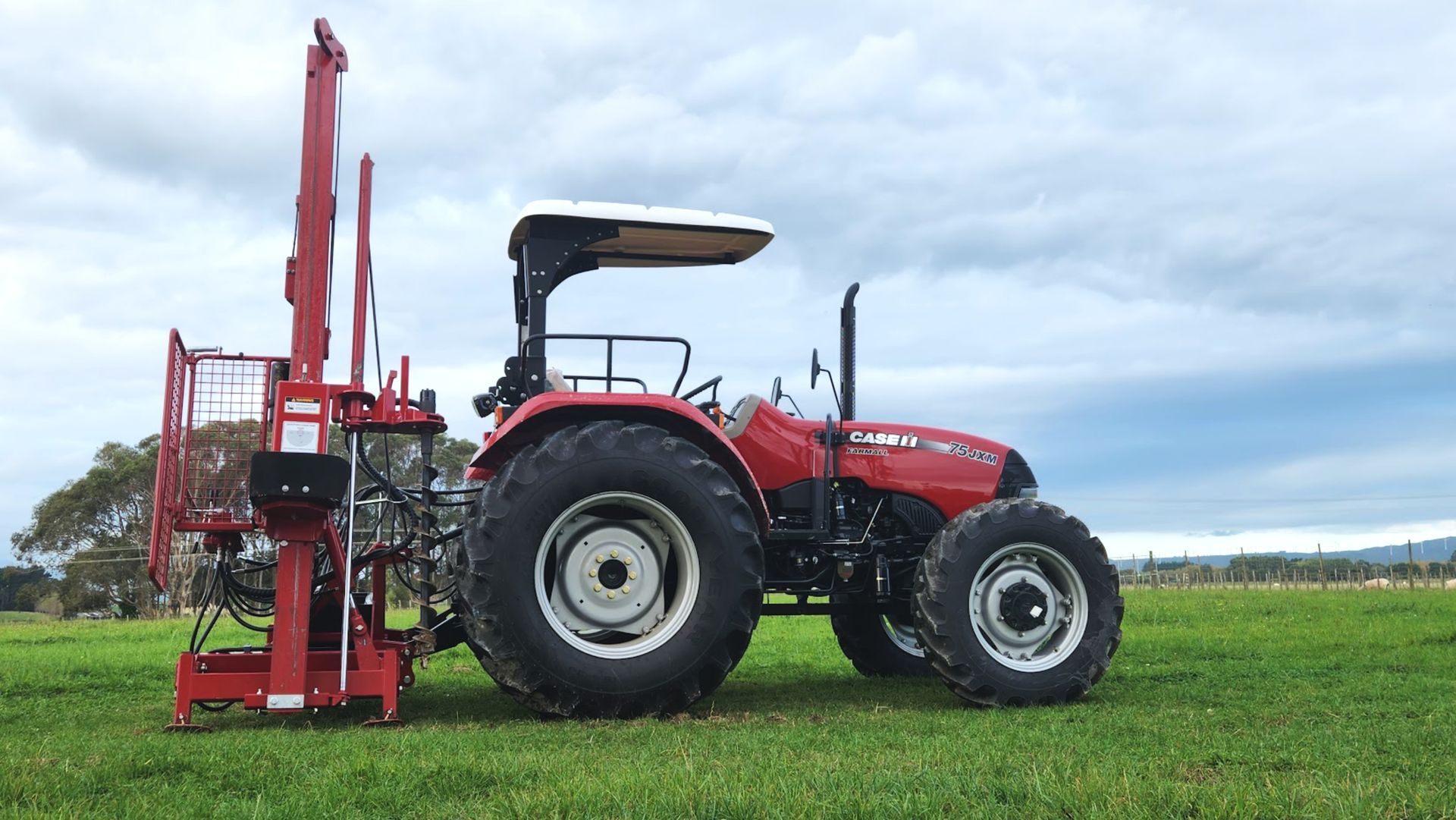
- Tractors in a range of sizes
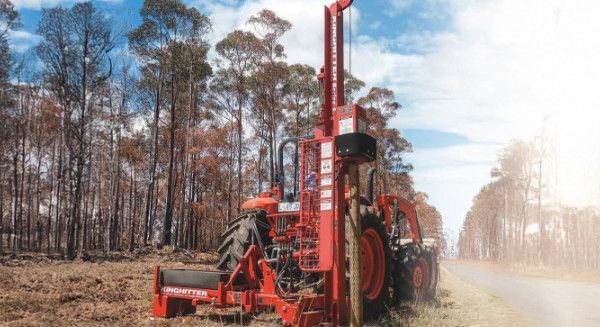
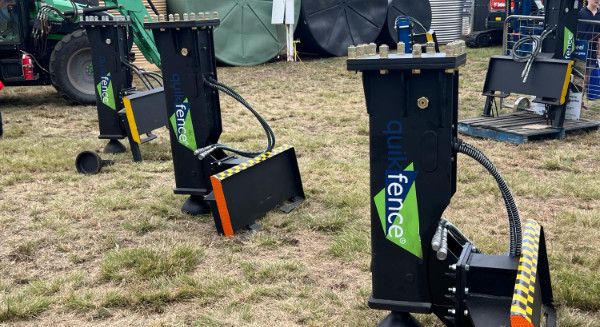
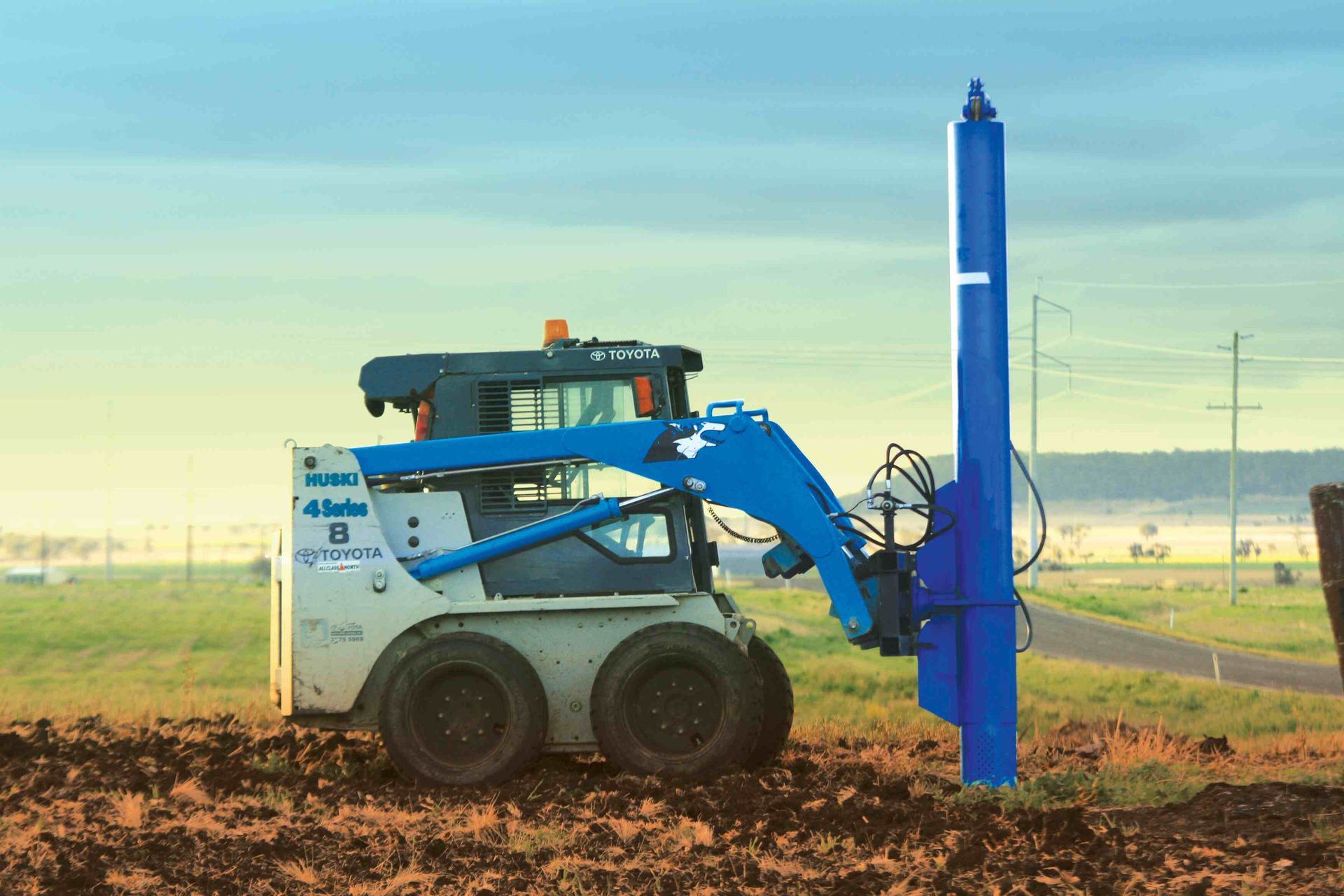
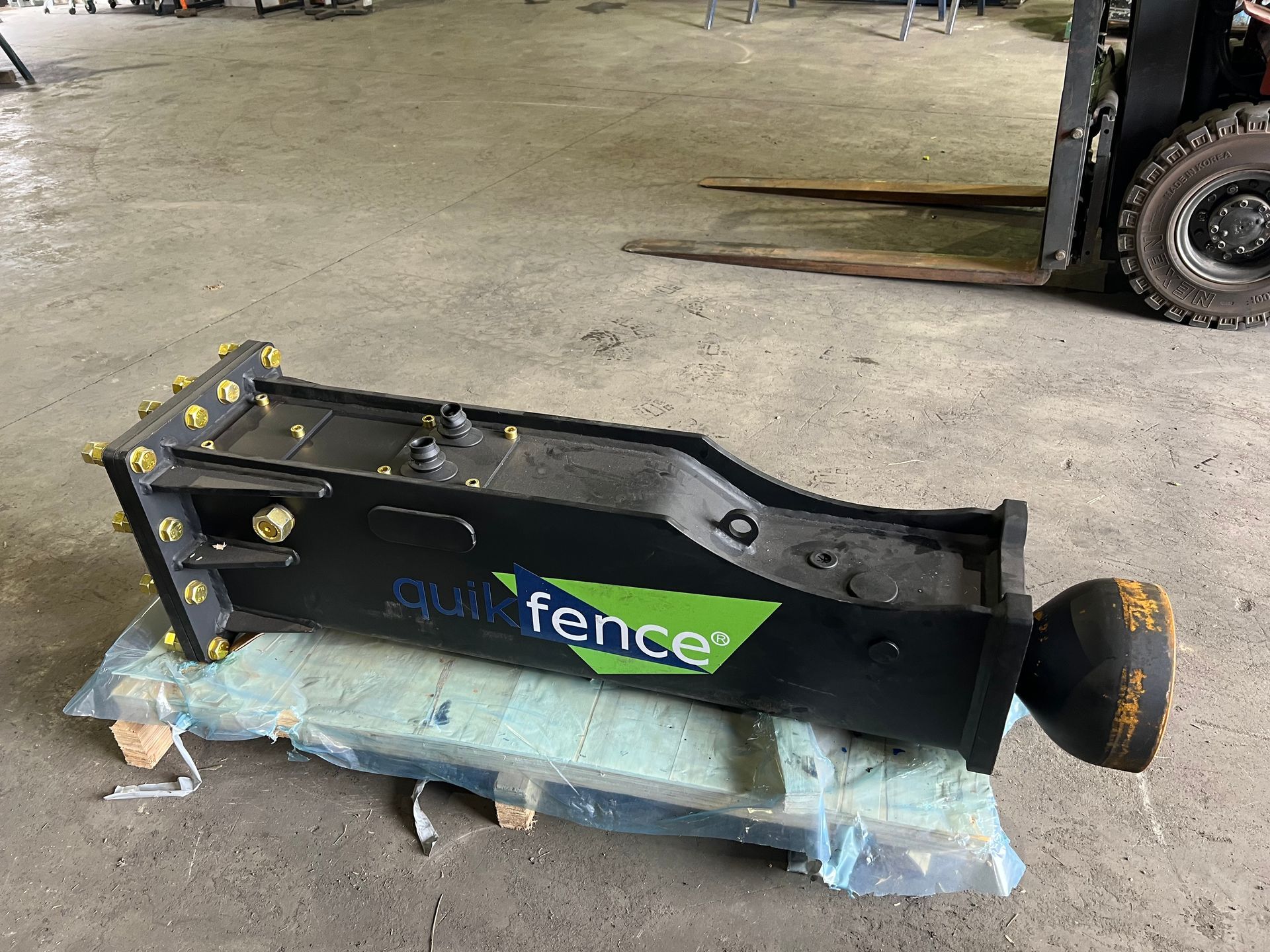
- Post drivers to suit the job and landscape
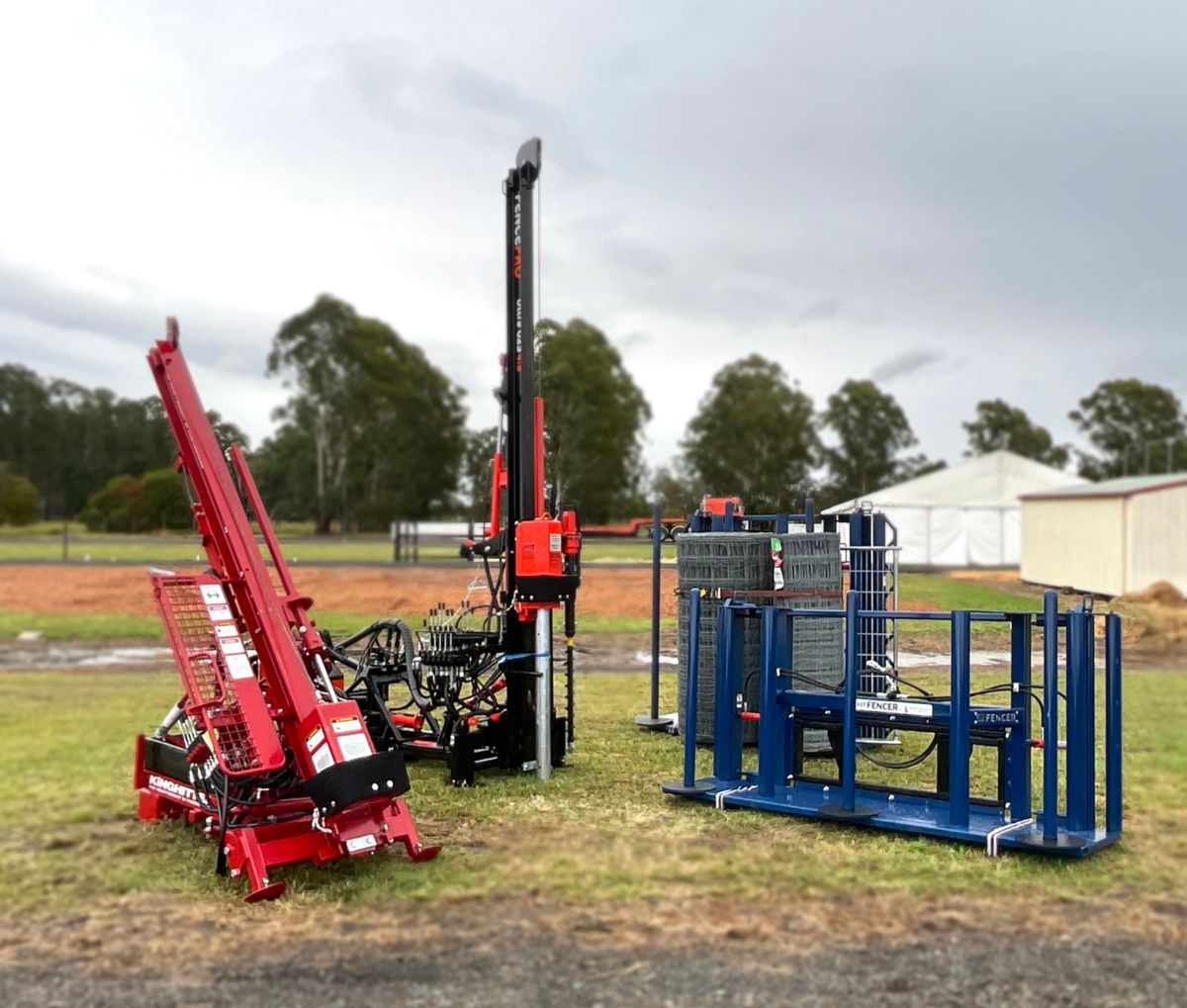
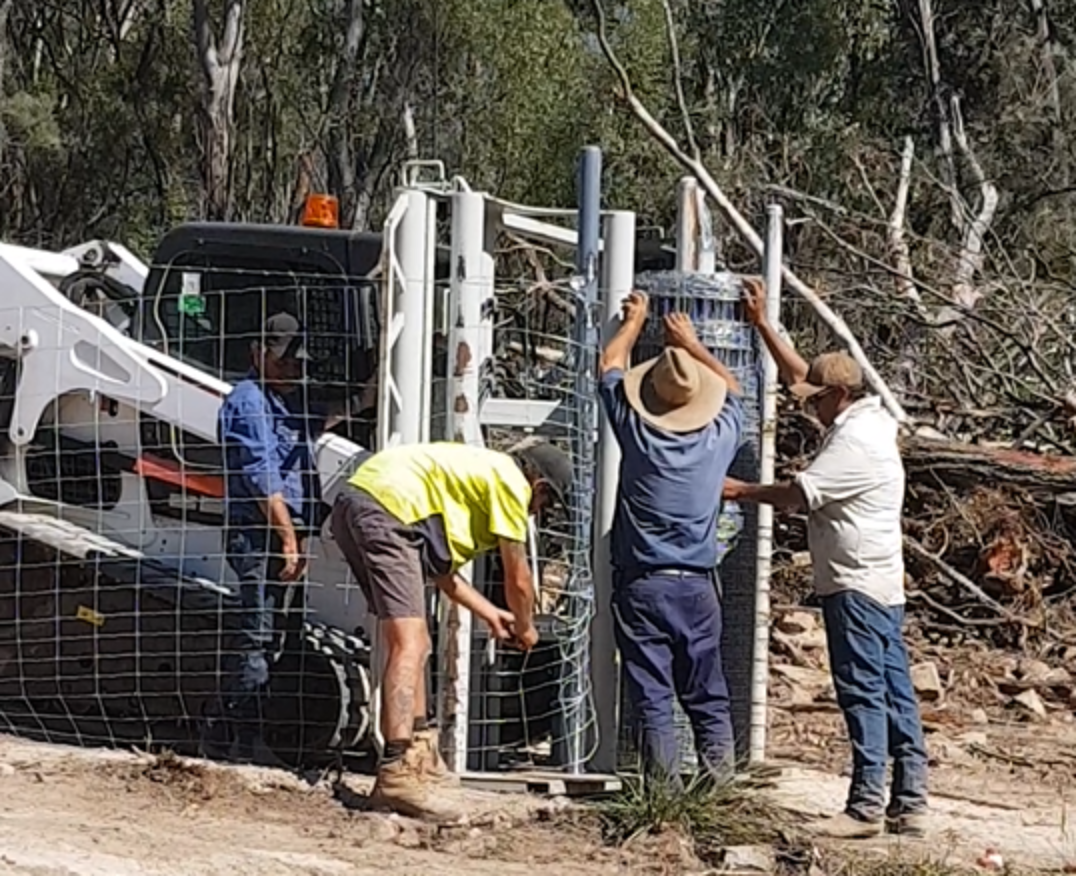
- The FastFencer for stringing wire and netting
- The Walters Wire Winder for removing old wire
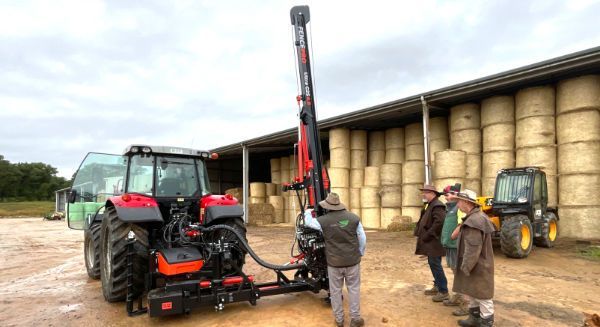
For a full rebuild, the complete hire unit pairs a 140 HP tractor with a FastFencer and a PostPuncher. That puts the three biggest machines on the job without any of them being bought.
Match the Machine to the Job
One advantage of hiring is that the machine can change with the work.
The PostPuncher is available in four models. The smaller units suit lighter posts and shorter lengths. The larger models handle heavier posts up to 3,000mm. A property with a short repair run needs something different from a long exclusion fence.
When equipment is bought, the machine has to suit every job it will ever face. When it’s hired, it only has to suit this one. That’s a real saving for anyone whose fencing needs change from year to year.
The Hidden Costs of Buying
The purchase price is only part of what owning costs.
Finance or capital tied up in equipment. Servicing and wear parts. Hoses, seals and bushings that need replacing over time. Storage space. Insurance. And the time spent keeping it all in good order, which a post driver maintenance routine demands if the machine is going to last.
None of that is a reason not to buy. It’s a reason to be sure the machine will be used enough to justify it. A post driver that works every season repays those costs easily. One used for a single job rarely does.
Time Is a Cost Too
Cheaper on paper doesn’t always mean cheaper in practice.
Doing a long fence line without the right machinery means more labour, slower progress and more fatigue. Hiring a post driver and a FastFencer can shorten a job by days. That means fewer paid hours, less time with a half-finished fence, and stock back in the paddock sooner.
Hiring all the equipment for the job helps save time and money, and it produces a better quality, safer fence. For a one-off project, that speed often outweighs the hire cost on its own.
When Buying Starts to Make Sense
Hiring isn’t always the answer. Buying becomes the stronger option when:
- Fencing happens every year, not once
- The property is large, with ongoing repairs and new fence lines
- Contract work is part of the business
- Hire dates would regularly clash with the seasonal window
At that point, looking at post drivers for sale is worth the time. A machine like the suits regular farm fencing, while the Bryce Suma is built for daily contractor use. The finance calculator also shows what repayments could look like before any commitment is made.
A Simple Way to Decide
Ask three things.
How many fencing jobs are coming up over the next few years? Would the machine be working or sitting idle most of the time? And does the cost of owning it stack up against the cost of hiring it each time?
One job and a quiet few years ahead points to hire. Regular, ongoing work points to buy. Somewhere in between, hiring first is a sensible way to test a machine before committing to it.
Choose Based on the Work, Not Just the Price
The cheapest option is the one that fits how the equipment will actually be used.
For a one-off job, hiring keeps the cost to the project and nothing more. For constant fencing work, owning pays off over time.
QuikFence hires and sells fencing machinery, so the team can talk through both options honestly. Call 1800 062 723 or get in touch with the project details, and we’ll help work out what suits the job.
The Post by QuikFence