Why Australian Farmers Are Switching to Hydraulic Post Drivers
This is a subtitle for your new post
Fencing has always been one of those jobs that looks straightforward until you’ve done a few long runs in a row. It’s repetitive, it’s physical, and it doesn’t leave much room for inconsistency if you want the end result to hold up over time.
What’s changed isn’t the job itself, it’s the pressure around it. Bigger properties, tighter timelines, and fewer hands available to help. That combination has pushed more farmers to rethink how fencing work gets done, and that’s where hydraulic setups have started to take over.
Not all at once, and not everywhere. But enough to notice a clear pattern.
It Usually Starts with Frustration, Not Equipment
Most people don’t wake up thinking they need to upgrade their fencing gear. It tends to start with something small.
Maybe posts aren’t going in as straight as they used to. Maybe the ground’s tougher in certain sections and slowing everything down. Or maybe it’s just the time it takes to get through a run that used to feel manageable.
When those little issues stack up, the job stops being predictable. And once that happens, it’s hard to keep pace, especially when there’s other work waiting.
That’s where hydraulic post drivers start to make sense. Not because they’re new, but because they remove the parts of the process that cause the most friction.
It’s not Really About Speed, it’s about Repeatability
Most people assume the main benefit is getting posts in faster. That’s part of it, but it’s not what actually changes the job.
What matters more is doing the same thing consistently, over and over, without having to adjust constantly.
With traditional methods, every post can feel slightly different in depth, alignment, and stability. You make small corrections as you go, and over time that adds up.
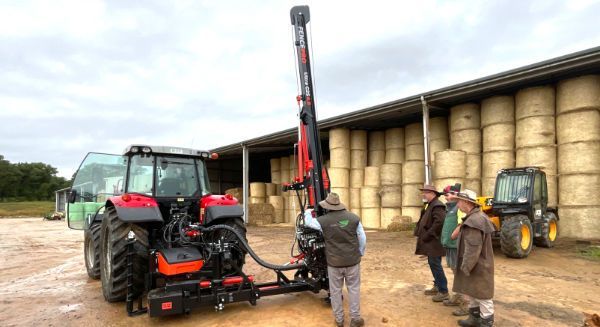
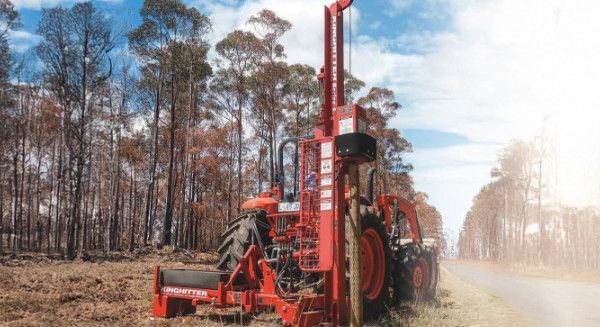
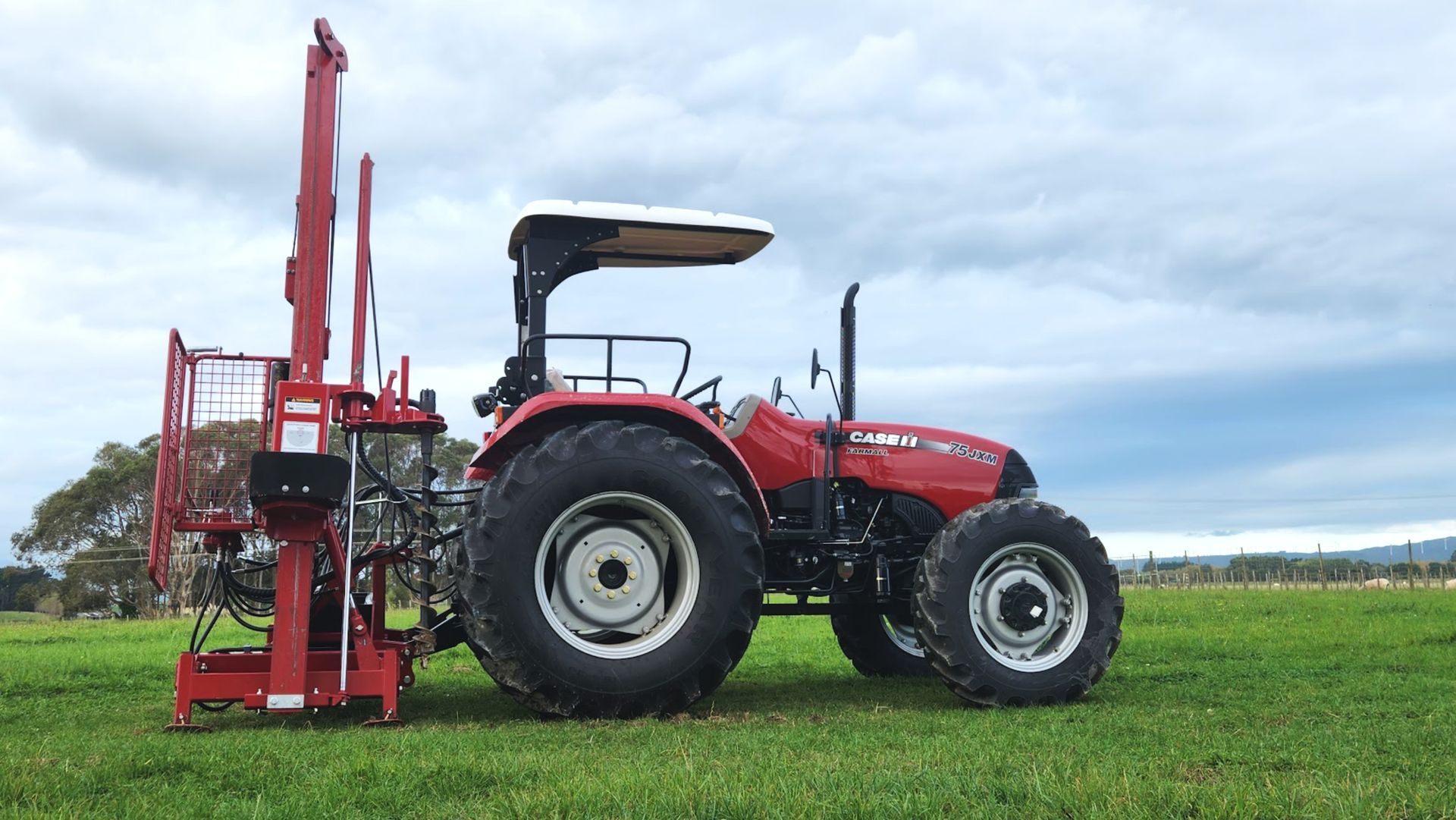
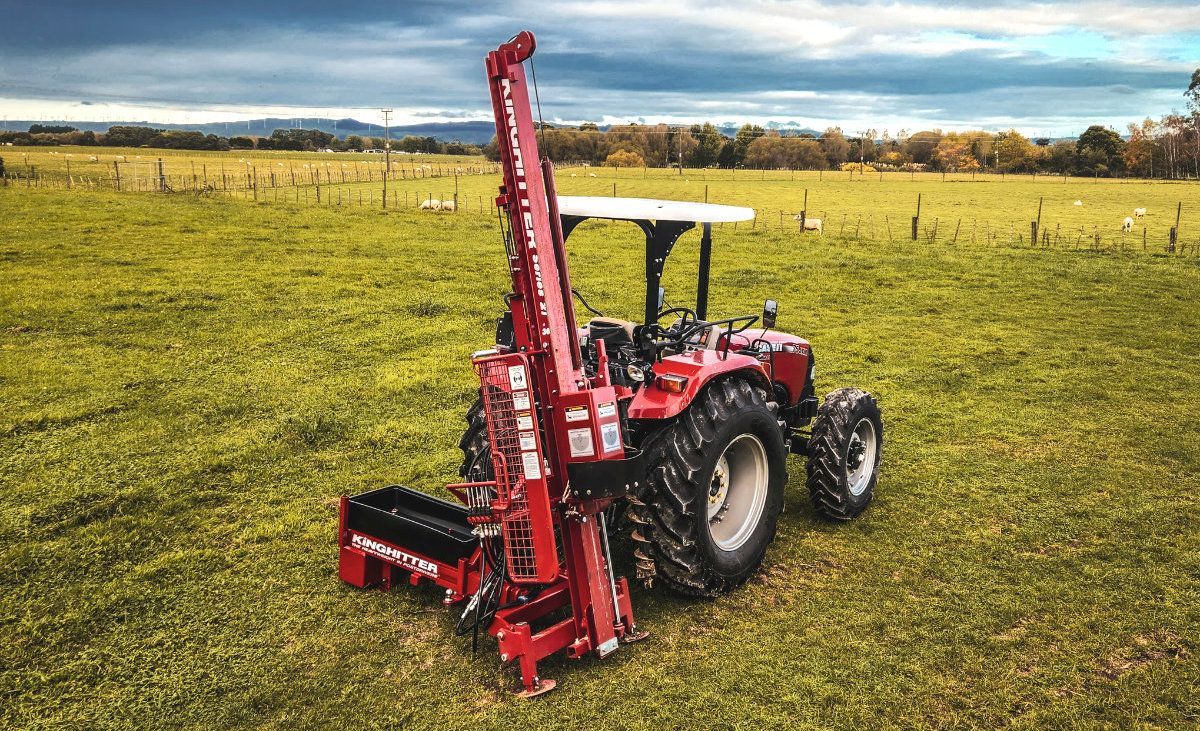
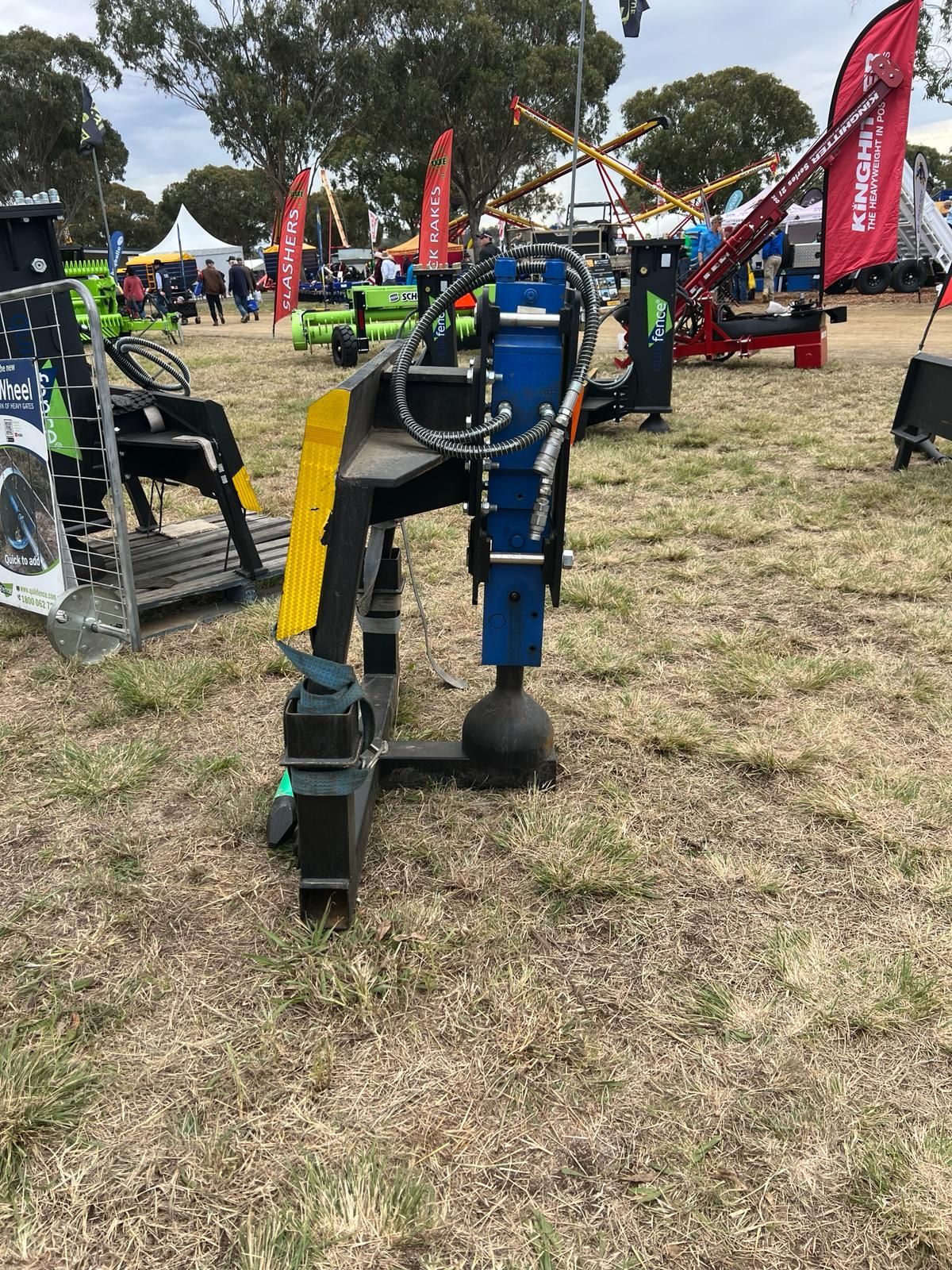
Hydraulic systems smooth that out. Each post goes in the same way, with far less need to stop and fix things. That’s where machines like the Kinghitter post driver have built a following, not because they’re flashy, but because they’re predictable. And predictable is exactly what fencing work needs.
Fatigue Plays a Bigger Role than People Admit
This doesn’t always get talked about, but it should. Fencing is tiring. Not just physically, but mentally as well. When you’re lining up posts, correcting angles, and repeating the same movements hundreds of times, fatigue creeps in faster than you expect.
Once that happens, accuracy starts to slip. You might not even notice it at first. By taking most of the heavy work out of the process, hydraulic drivers reduce that fatigue. You’re still working, but you’re not fighting the equipment while doing it.
That changes how the day feels. You’re not rushing at the end just to finish. You’re still steady.
Ground Conditions Change But Machine Shouldn’t
Australian properties rarely give you uniform soil conditions. You’ll go from soft ground to something much harder within the same fence line.
Older methods struggle with that. You end up adjusting technique or stopping altogether to deal with it. Hydraulic systems handle those changes more smoothly. You’re not hitting resistance and then overcompensating; the machine absorbs a lot of that variation.
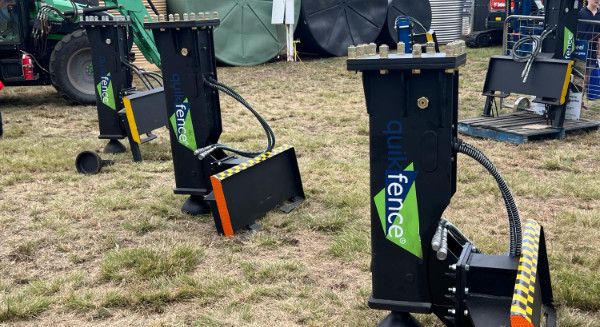
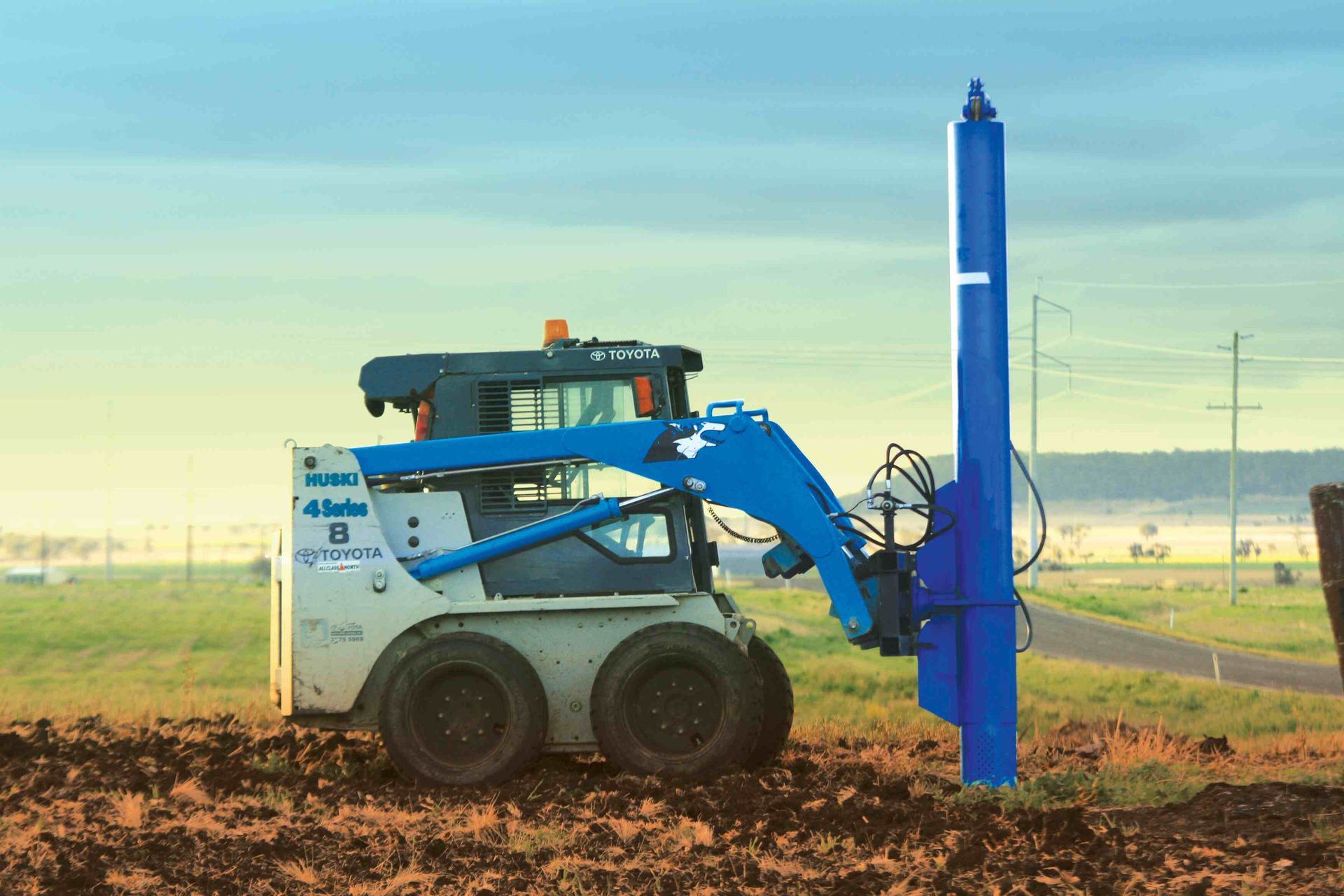
This is where setups like the ThunderPro post driver come into play. They’re designed to keep operating consistently, even when the ground doesn’t cooperate.
That matters more than raw power, especially over longer distances.
Less Rework Lesser Delays
Rework is what really slows fencing down. A post that’s slightly off doesn’t seem like a big deal at the time. But once you’ve done enough of them, the line starts to show it. Then you either live with it or go back and fix it.
Neither option is ideal.
Hydraulic post drivers reduce that problem from the start. Getting alignment right the first time means you don’t have to think about it later. It also means the fence line looks better and holds together more evenly.
You don’t notice the benefit immediately; you notice it when there’s nothing to fix.
It’s Also About Working Alone More Comfortably
Labour is getting harder to rely on. That’s just the reality for a lot of farms now.
Jobs that used to involve a couple of people are often handled by one. That puts more pressure on equipment to support the workload.
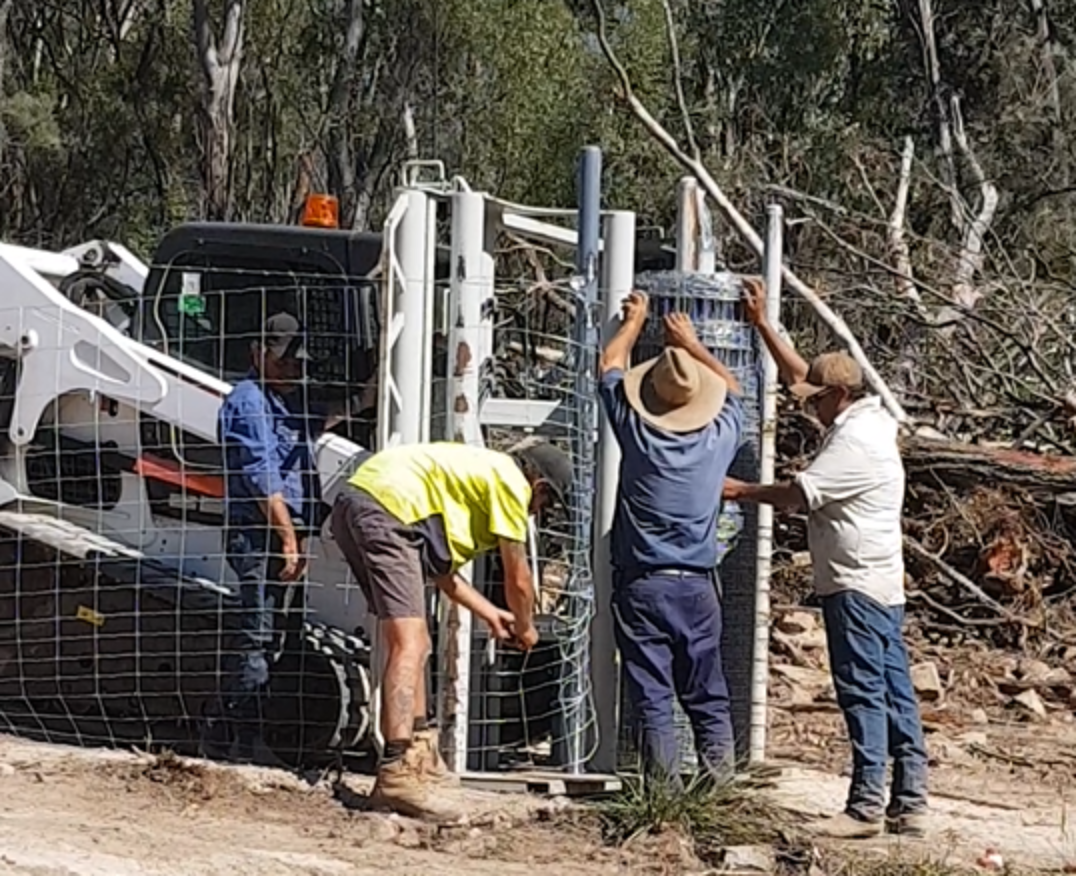
Hydraulic drivers make that more manageable. One operator can handle the process without relying on someone else to keep things aligned or moving. It doesn’t replace people, but it reduces dependency. And that’s a big shift.
The Change Doesn’t Feel Dramatic, it Feels Smoother
Most farmers don’t describe the switch as a massive leap forward. It’s usually more subtle than that. Things just start flowing better.
You’re not stopping as often, or correcting as much, and you’re not wearing yourself out as quickly. The work moves forward at a steady pace instead of jumping between fast and slow.
That kind of improvement is easy to stick with once you’ve experienced it.
The Post by QuikFence