Post Driver Safety Tips Every Farmer Should Follow
This is a subtitle for your new post
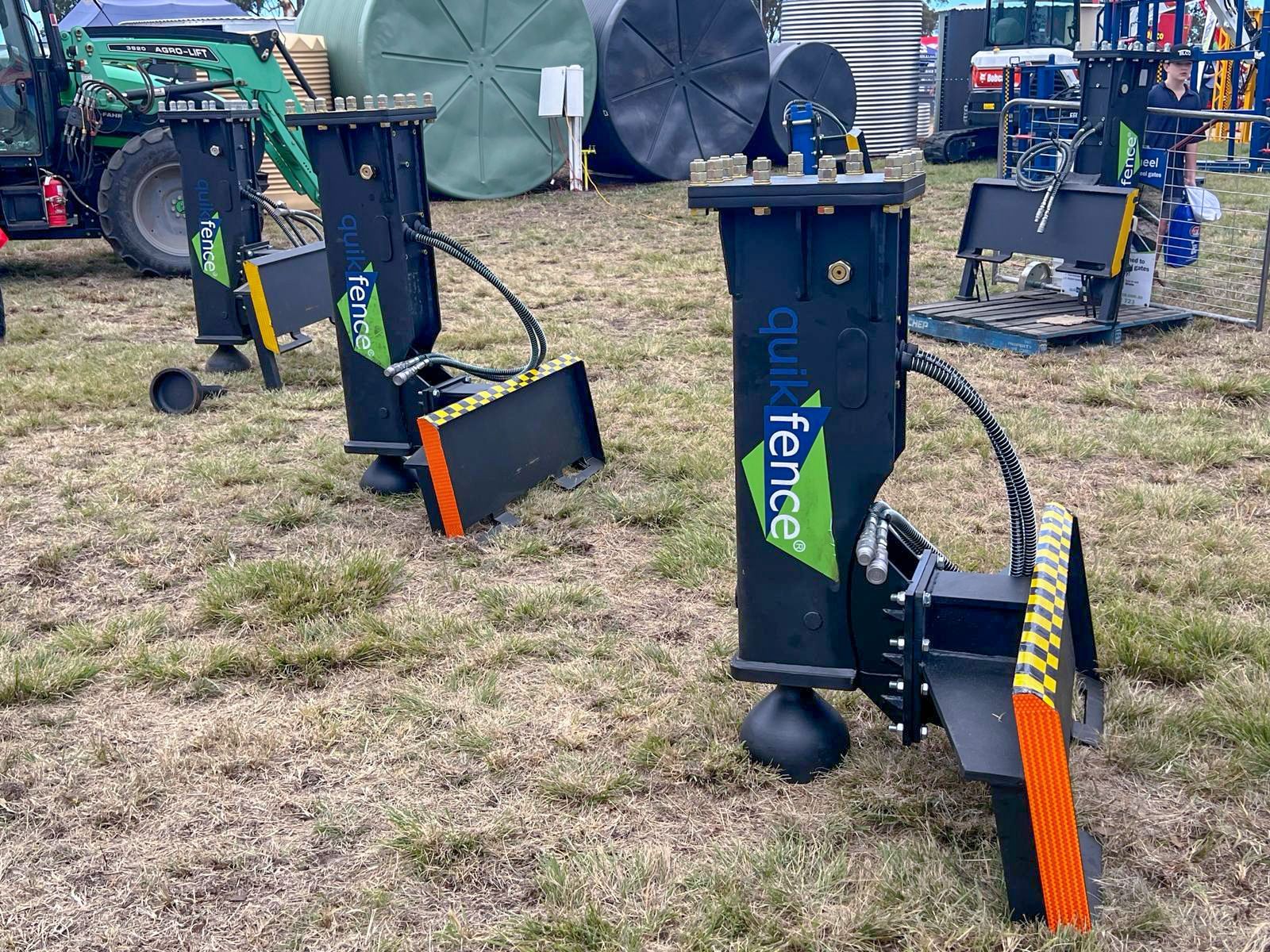
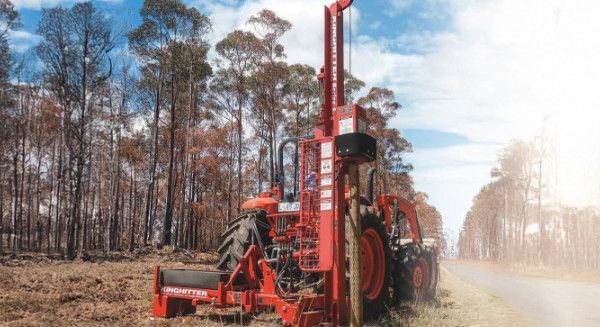
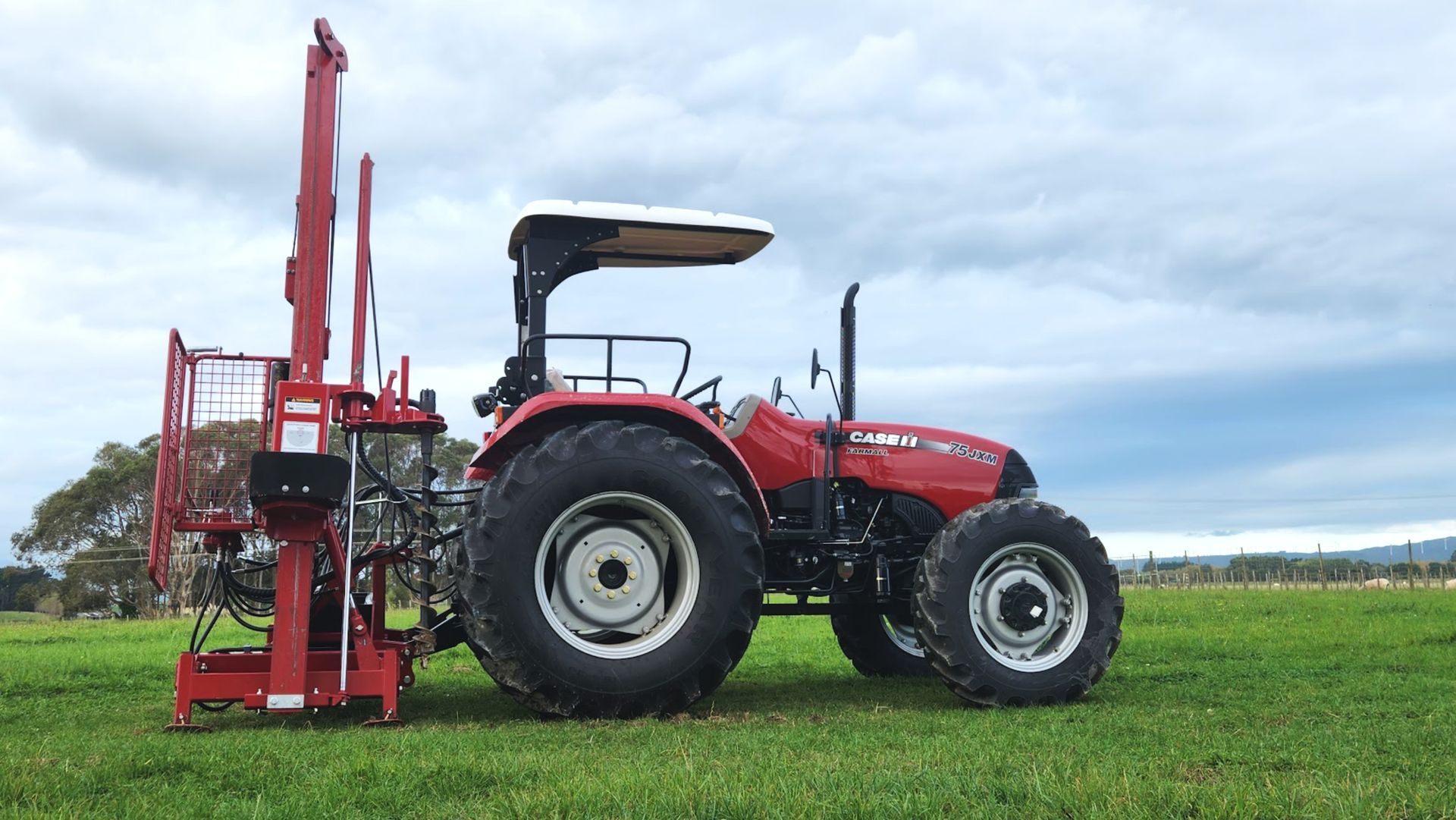
Anyone who’s put in a long day of fencing knows the post driver is one of the handiest tools on the place, and also one of the ones you need to treat with a bit of respect. A driver can make a hard job easier, but only if the people using it take a few basic precautions.
These aren’t rules from a manual, just the kind of common‑sense safety habits that make the job smoother and keep everyone in one piece.
Start With a Quick Check, It Saves Trouble Later
Before the post driver even fires up, give it a once‑over. No need for a long checklist. Just have a look at
- movable parts
- rams
- safety shields
and anything that could shake loose
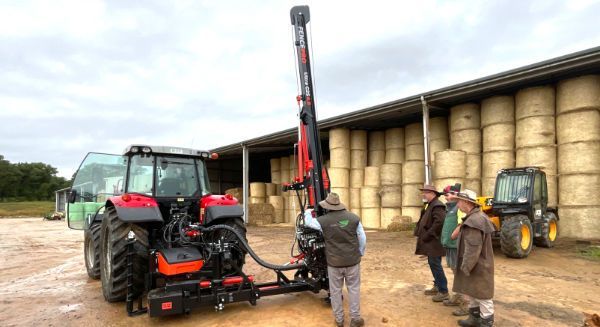
If it’s a hydraulic fence post driver, watch for leaks or lines rubbing in places they shouldn’t. A tiny issue now becomes a big one halfway through a fencing run.
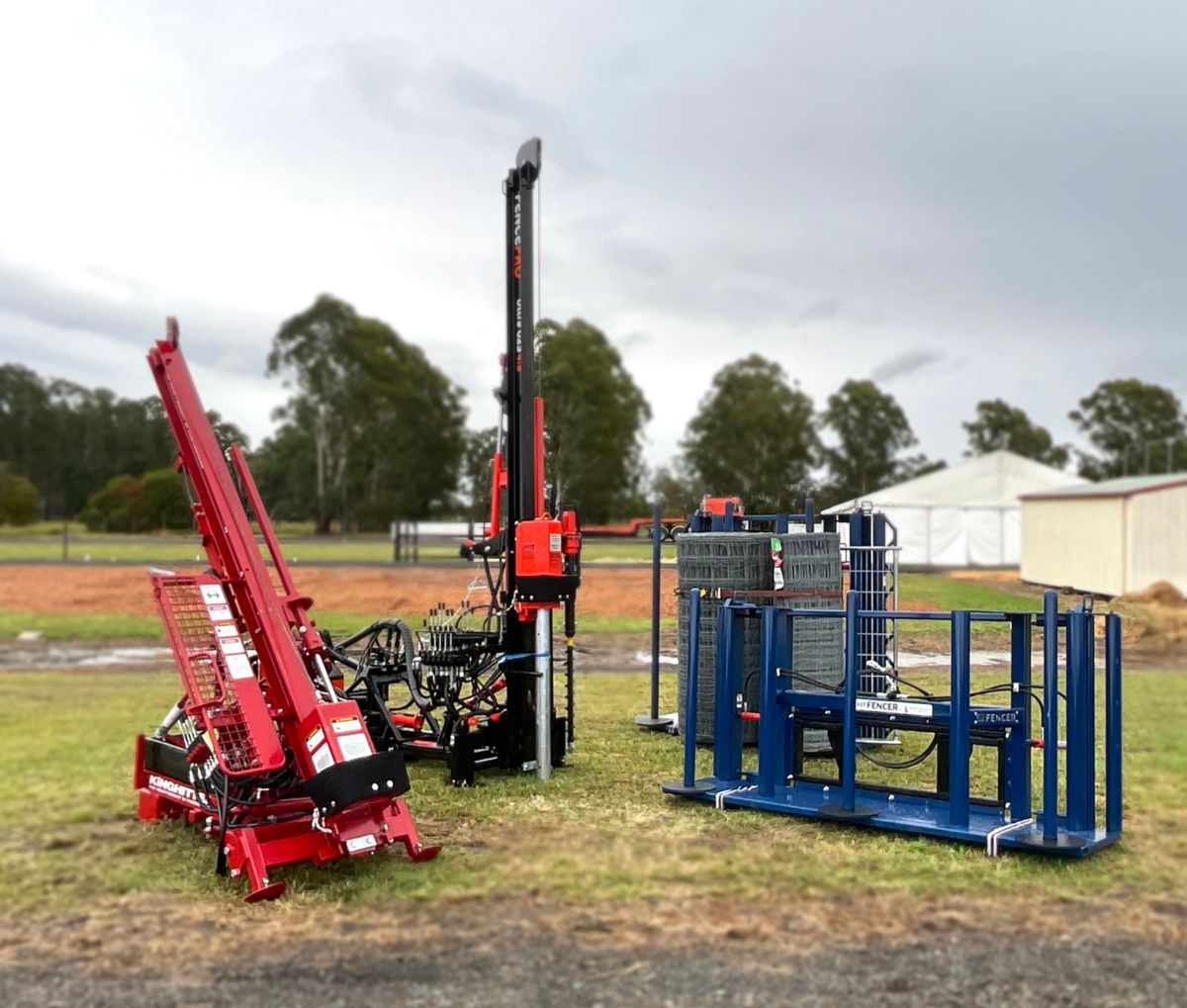
And if you’re checking out a post driver for sale, this is exactly the stuff you want to inspect first.
Pick the Right Spot and Set Up Properly
Rushing the setup is one of the easiest ways for things to go wrong. Uneven ground, awkward angles, or trying to reach too far off the tractor can turn a simple job into an unsafe one.
A stable base, good visibility, and enough space to operate go a long way.
You shouldn’t need to twist yourself around the tractor just to see the post.
The best fencing days are the ones where you barely notice the setup at all, everything just flows.
Keep Hands and Feet Out of the Danger Zone
It sounds obvious until someone forgets. Never steady a post with your hand once the driver is lined up. Never put your boots anywhere they can get pinned. And don’t assume the operator can see you perfectly, machines shake, dust blows, people get distracted.
A simple rule that’s saved more toes than anyone admits: If the driver is moving, you’re not touching the post. Ever.
Stay Clear of Swinging Posts and Rebounds
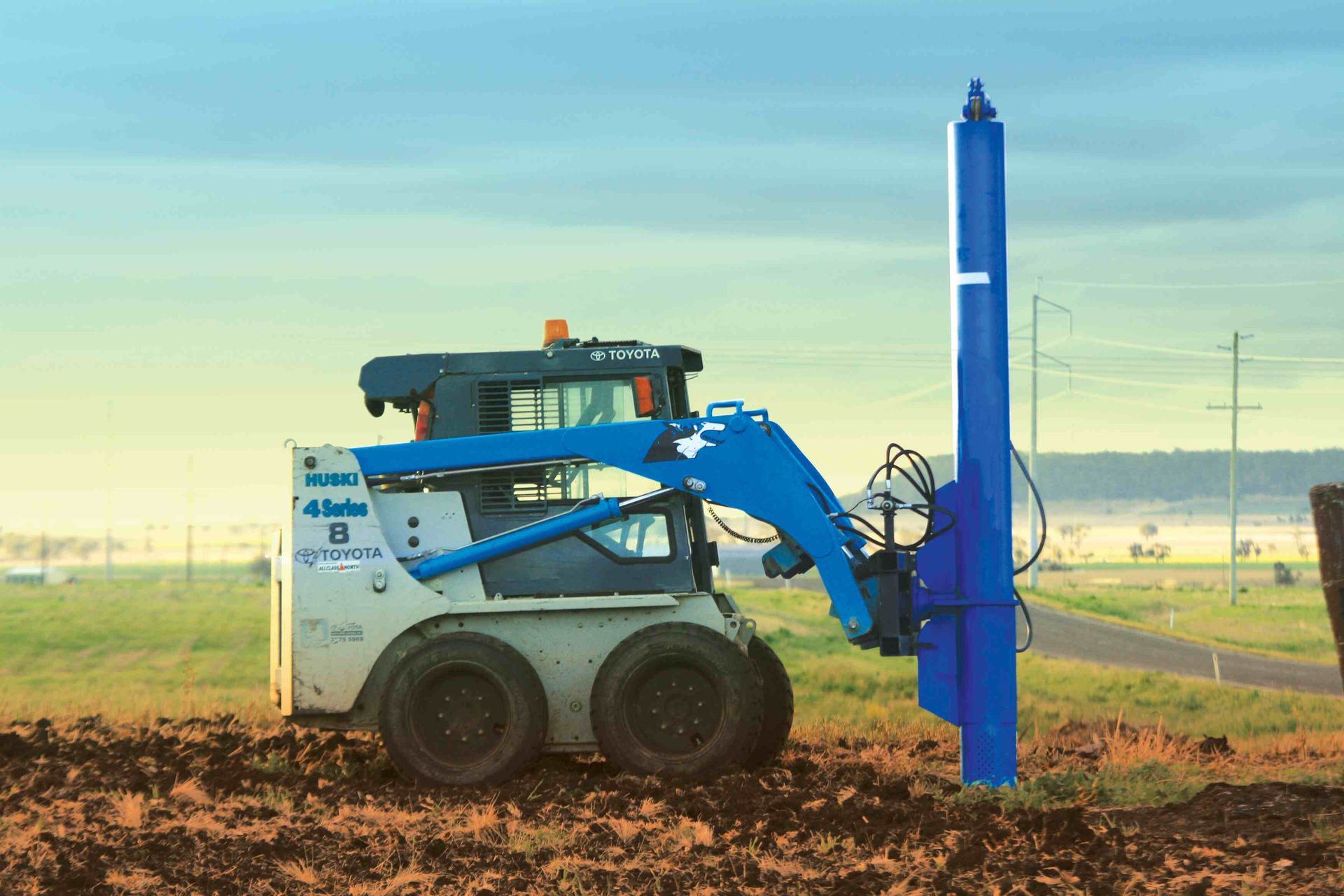
Hard ground or hidden rocks can make a post jump sideways. Hydraulic fence post drivers usually handle this better than older non‑hydraulic setups, but they’re not magic.
Stand off to the side, never behind the post, and keep your balance ready. A rebounding post doesn’t look dramatic, but it can knock you straight off your feet.
Fatigue Is the Silent Risk
Most fencing accidents don’t happen first thing in the morning. They happen late in the day when everyone is sore, sun‑tired, and trying to “just finish this last bit.”
Post driving takes concentration. Even with good equipment, mistakes creep in when people are worn down. Although, a post driver with safety features gives a sense of relief.
Keep Your Gear in Good Shape
A post driver is like any tool: look after it and it’ll last. Neglect it and it will remind you at the worst possible moment.
Check:
- pivot points
- worn bushings
- vibrations that feel new
- fasteners that loosen after long runs
If something doesn’t sound right, trust your ears. Most operators can tell the difference between “normal noisy” and “something’s off” within seconds.
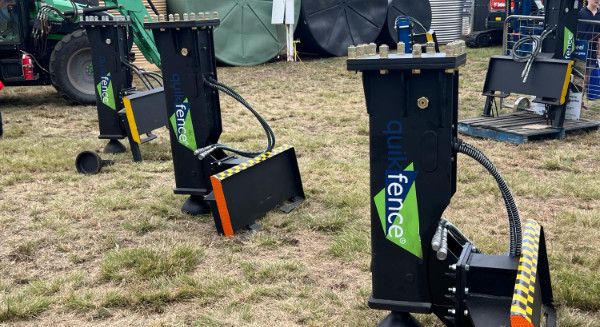
Suppliers like QuikFence deal with this gear daily, so if you’re unsure, ask. It’s better than guessing.
Finalising on Safe Machinery Use
A good post driver can take the hardest part of fencing and make it surprisingly manageable. But like any powerful equipment, it deserves respect. Take a moment to set up properly, keep communication clear, and don’t rush just because the job is long.
Whether you’re running an older driver or looking at a post driver for sale, the safest work always comes from steady habits, not fancy features.
Treat the machine right, keep clear of danger zones, and fencing becomes the kind of job you can actually enjoy, or at least get through without unnecessary drama.
The Post by QuikFence