Tractor Mounted Post Drivers vs Standalone Models: Which Is Better?
This is a subtitle for your new post
Fencing rarely goes exactly as planned. Ground conditions change. Runs go longer than expected. And the equipment you're running either keeps up or starts costing you time.
That's where the choice between a tractor mounted post driver and a standalone unit becomes worth thinking through properly.
Both are capable machines. Both are used every day on fencing jobs across the country. The difference lies in where each one performs best.
Two Good Options, Different Strengths
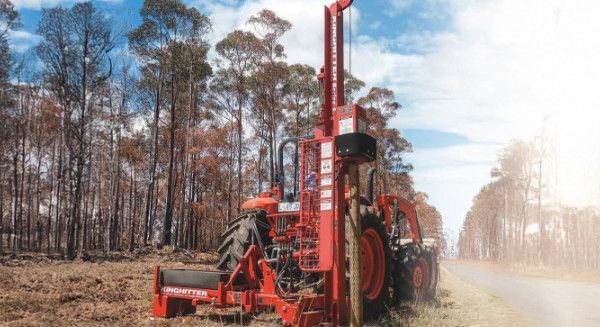
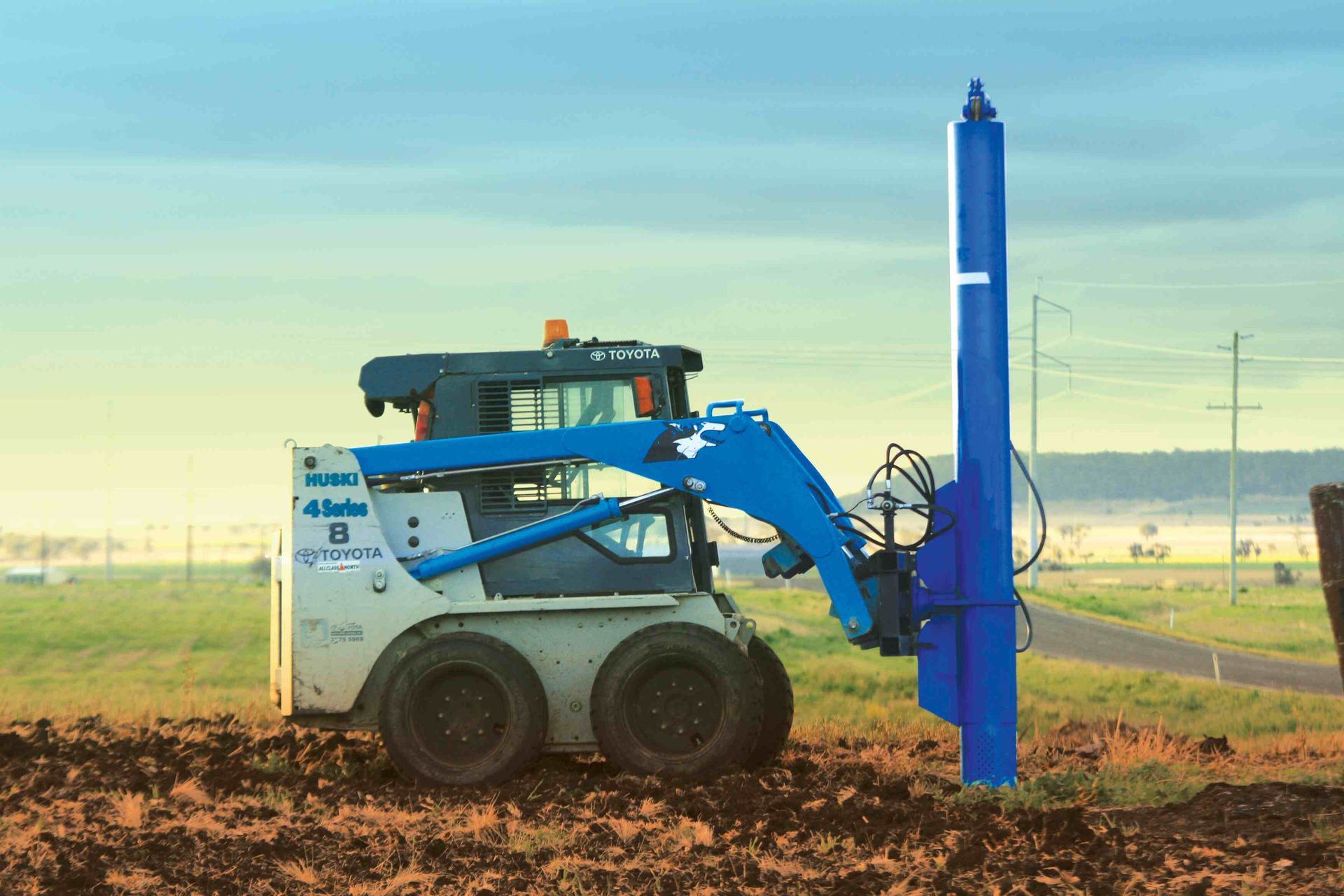
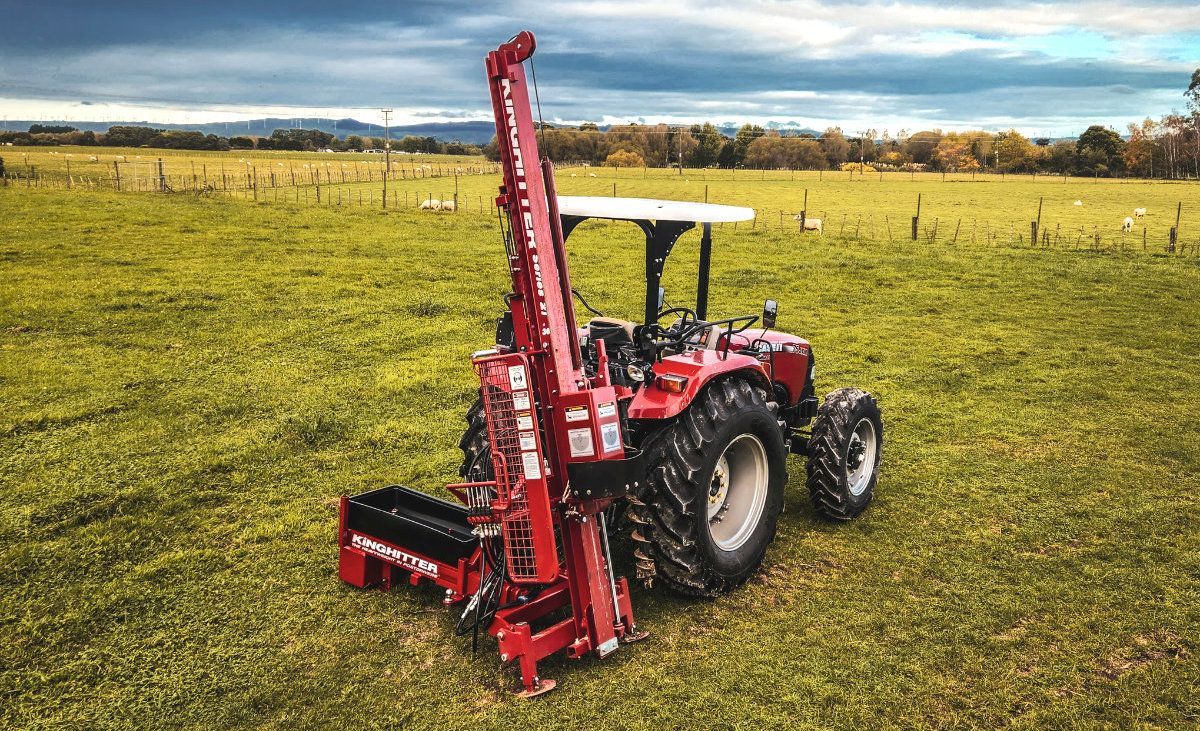
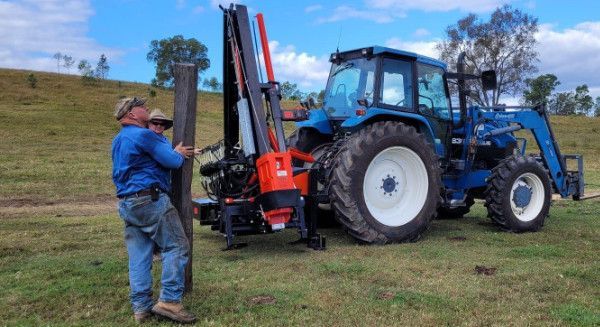
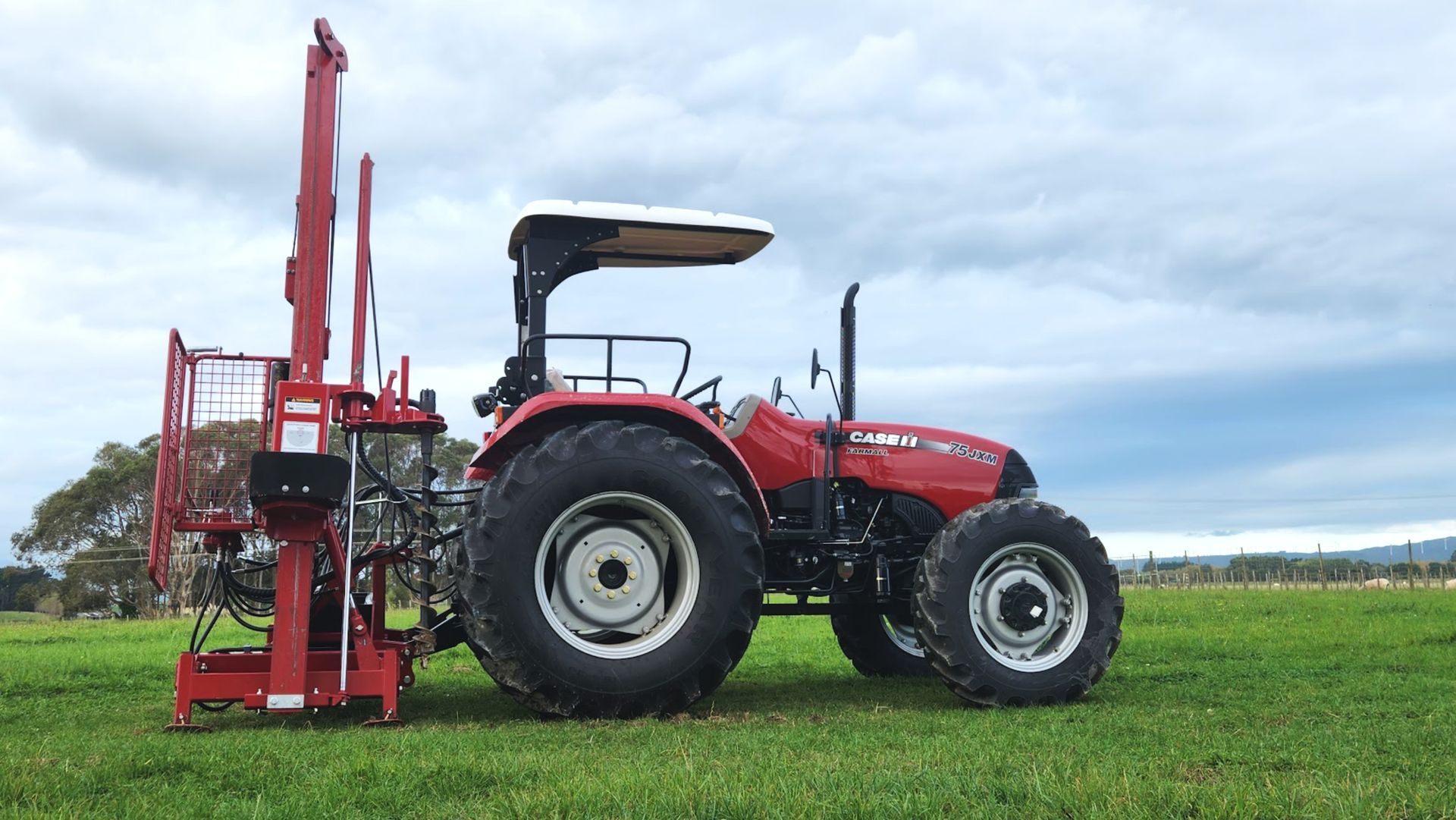
A tractor mounted post driver attaches to a parent machine such as a tractor, skid steer, excavator, or front-end loader. It runs off that machine's hydraulic system. The power is steady and controlled.
The operator stays on the machine. Repositioning between posts happens without anyone climbing off or dragging gear around by hand.
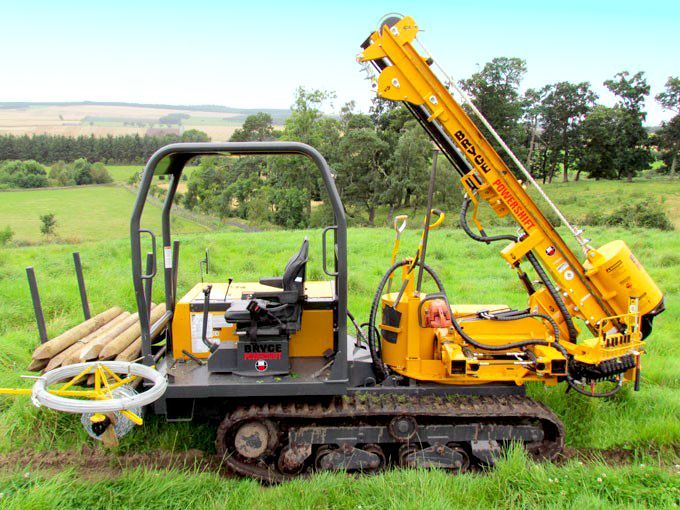
A standalone
post driver runs on its own petrol or diesel engine with a self-contained hydraulic system. No parent machine is needed. No external connection is required. You bring it to the job and it's ready to go.
The operator positions and guides the equipment by hand. That puts the control directly with the person doing the work.
The machine goes where the job is and gets straight to work. That simplicity is a genuine strength, not a compromise.
Neither is the wrong choice. They just suit different situations.
When a Tractor Mounted Setup Makes Sense
Large scale fencing is where tractor mounted post drivers find their place most naturally.
Long boundary runs. New paddock breaks. Fencing across large open areas.
These are the jobs where having the driver connected to the parent machine and moving with it changes the pace of the whole project.
One person manages everything from the seat. The machine carries the equipment. The job keeps moving without unnecessary stops.
Post drivers for tractors also work with machinery already on site.
Less to coordinate. Simpler setup on the day. For anyone doing regular fencing work, that efficiency adds quickly.
When a Standalone Unit Is Exactly What You Need
There are parts of most jobs that a tractor simply cannot reach.
Tight corners. Creek banks. Steep sections. Narrow yards where there's no room to move a bigger machine safely. In those spots, a standalone post driver isn't the backup option. It's the right equipment for the job.
Standalone post drivers also suit lower-volume work well. A broken post here. A short repair there. A small run that doesn't need a parent machine on site.
Less setup. Ready to work quickly wherever the job takes you.
The independence of a standalone unit is one of its real strengths.
Less setup. Fewer connections. Ready to work in the spots and situations that need it most.
How Both Handle Tough Ground
The ground doesn't stay consistent. Hard clay in one section. Softer ground the next. Rocky patches that show up without warning mid run.
That's where good equipment earns its keep.
Both tractor mounted and standalone post drivers are built to handle those changes.
What makes the real difference isn't whether the equipment is mounted or standalone. It's the quality of the equipment, the right setup for the conditions, and the post going in.
Either way the posts go in. The ground doesn't get to decide how the day runs.
Picking What Suits the Work
The honest answer is that both types of post drivers are good machines. They're built for different demands, and the right one depends on the kind of work that comes up most often.
Regular large-scale fencing across open areas. A tractor mounted hydraulic post driver is going to change how that work feels day to day.
Occasional jobs, tight access, lower volume. A standalone is a strong and practical choice that handles the work well without overcomplicating the setup.
Some operators run both and get the best of each depending on what the job needs.
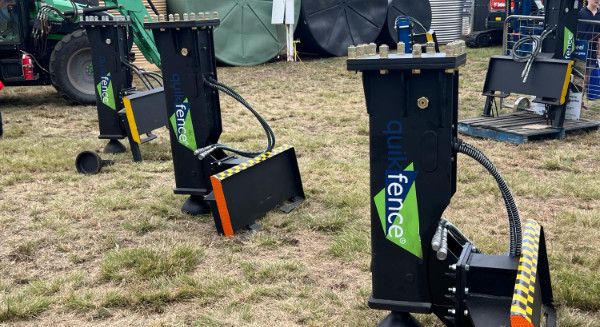
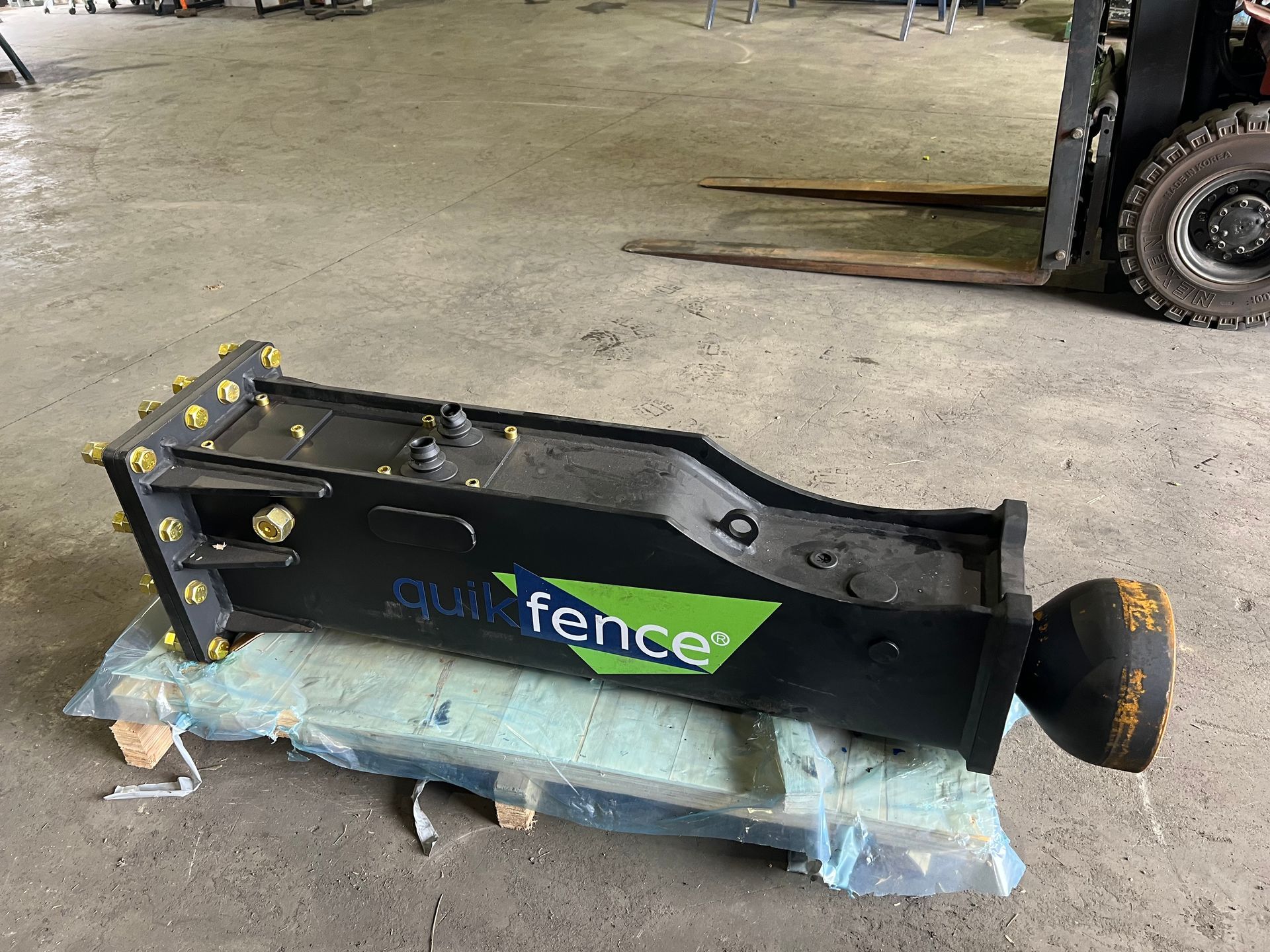
QuikFence supplies a range of tractor mounted post drivers built for tough conditions. You can connect with us to talk about what suits your work and your machinery best.
The Post by QuikFence