Do You Need a Hydraulic Post Driver for Rural Fencing Projects?
This is a subtitle for your new post
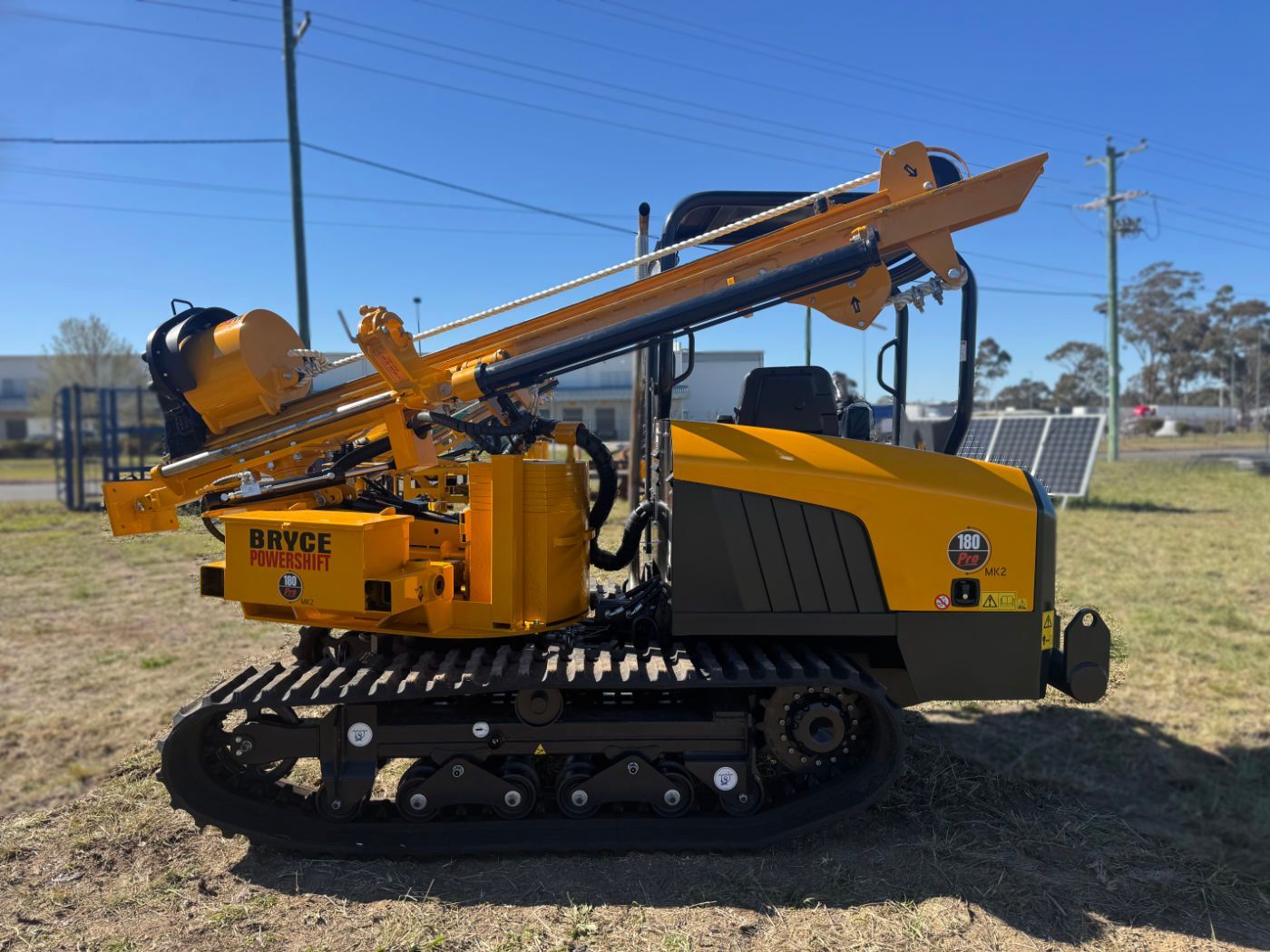
If you’ve done any amount of fencing out in the paddock, you already know where the day slows down. It’s not carrying wire or stretching plain wire or any of the fiddly bits, it’s the posts. Getting them right feels like an impossible task. That’s usually the moment people start wondering whether a hydraulic post driver would’ve saved the day.
It’s a fair question. Some folks swear by them, others say they’re a bit of a luxury, and plenty sit in the middle thinking, “Maybe next year.”
Whether you need one comes down to how often you fence and what sort of ground you’re fighting with.
Where Fencing Jobs Usually Fall Apart
Anyone who’s done a long boundary run knows how many things can slow you down. Hard country stops you. Soft stuff makes the post lean. Rocky patches turn into arguments. And once you get tired, those little errors start creeping in, crooked posts, half‑set depths, things you’ll only notice once the wire’s up and it’s too late to fix without undoing the whole stretch.
Manual methods will still get the job done. They always have. But they take more patience than most of us have on a hot afternoon.
This is usually where people start eyeing off post drivers.
What a Hydraulic Driver Actually Changes
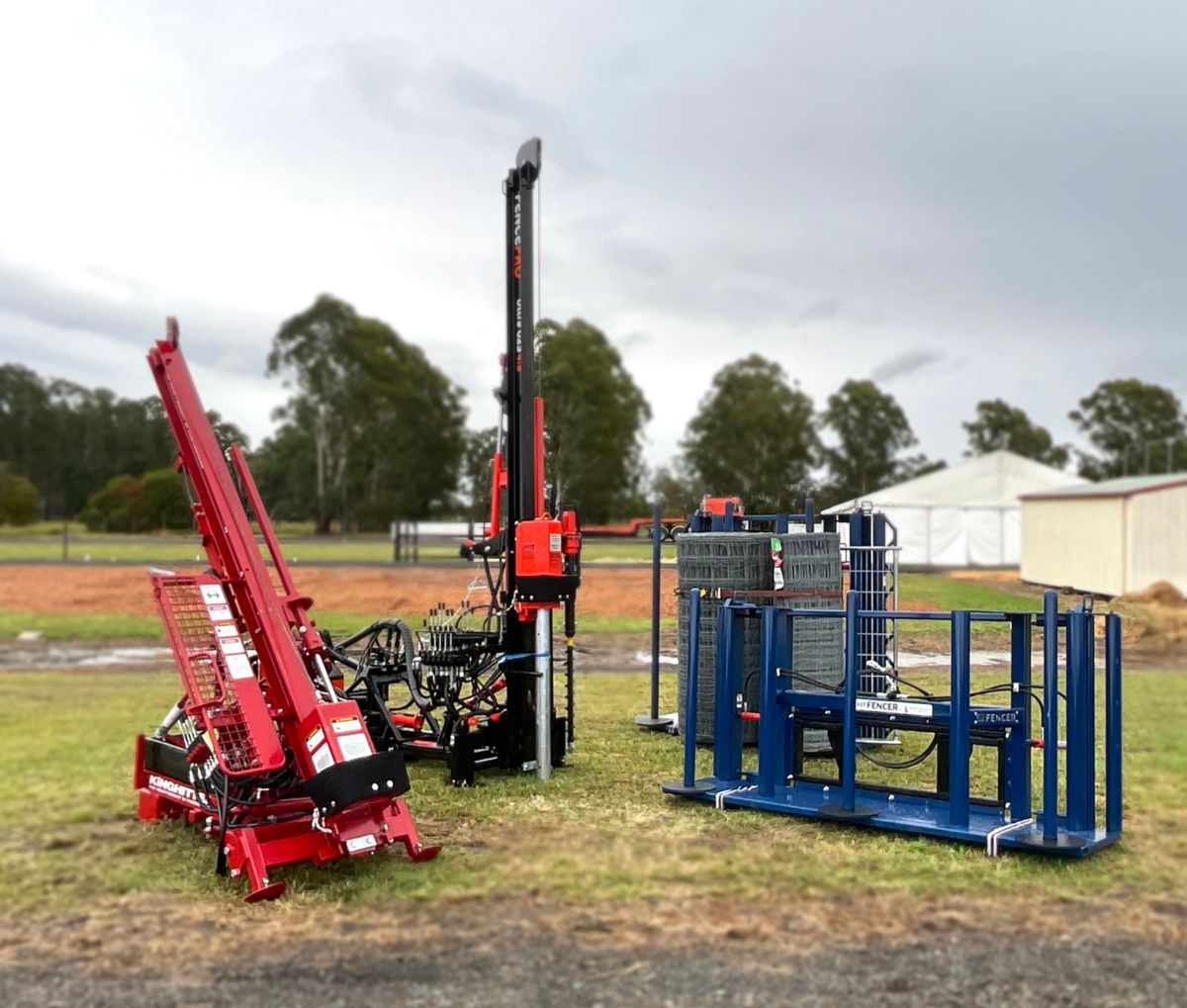
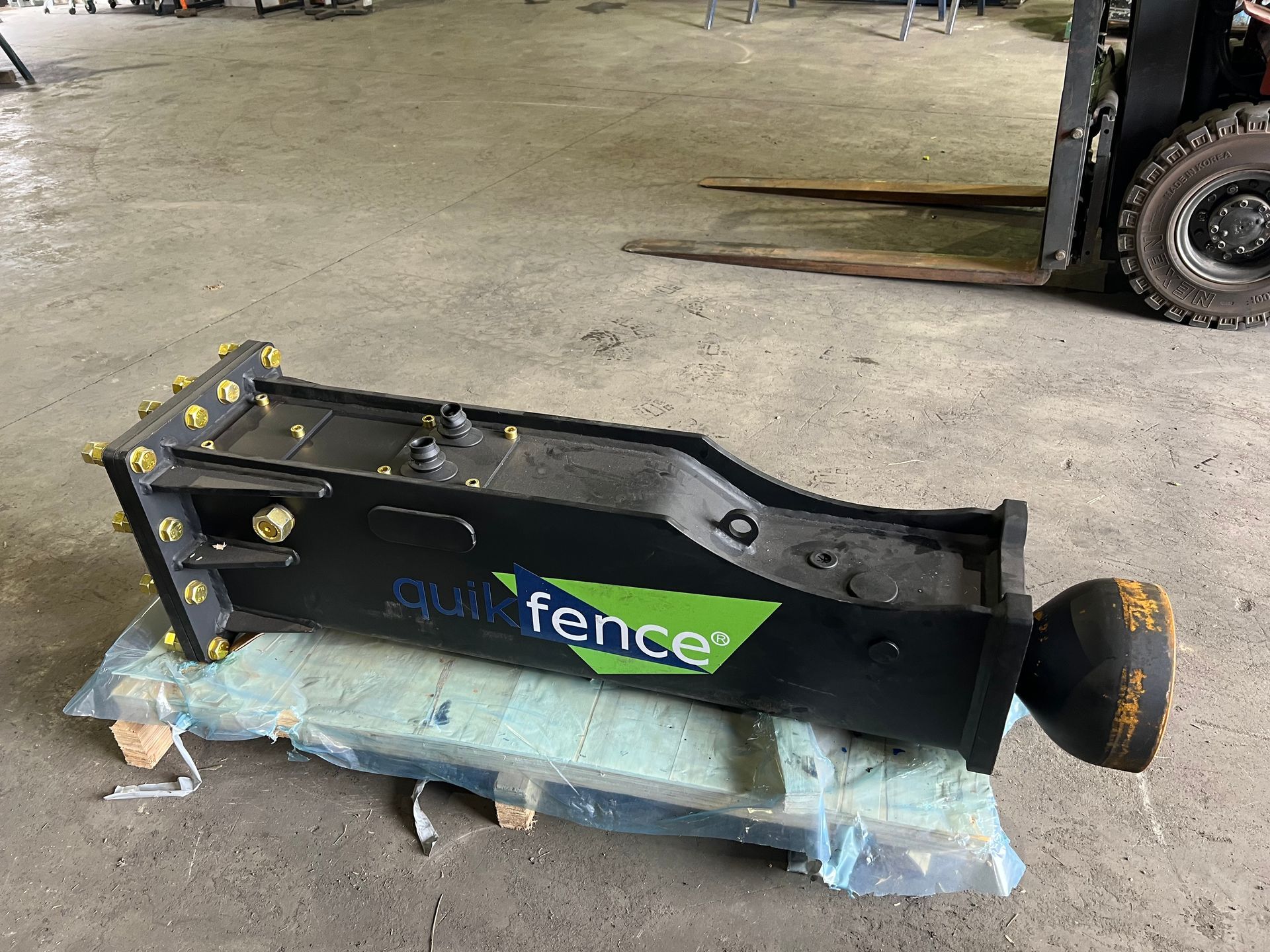
Hydraulic post drivers don’t magically remove rocks (except ThunderPro ), but they do make the whole job feel steadier. Instead of inconsistent force with a whole lot of shock and bounce, a hydraulic system pushes with a controlled force that’s easier on both the post and the person driving it.
And that control matters. Posts tend to stand straighter. They sit more firmly. You don’t have to keep climbing down to correct lean. Over a long stretch of fencing, that kind of consistency doesn’t just save time, it keeps your energy and patience intact.
Most operators notice the difference by lunchtime. Less frustration, less wrestling with the posts, and fewer “one more tap” moments that never work anyway.
When a Tractor‑Mounted Driver Makes Sense
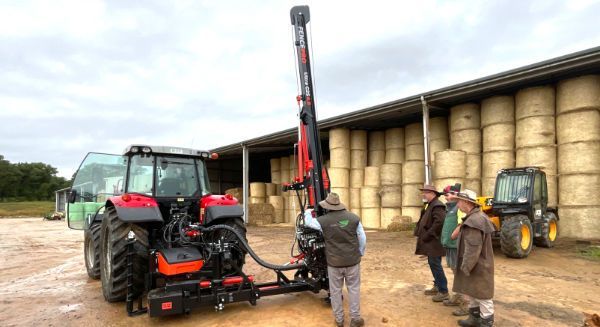
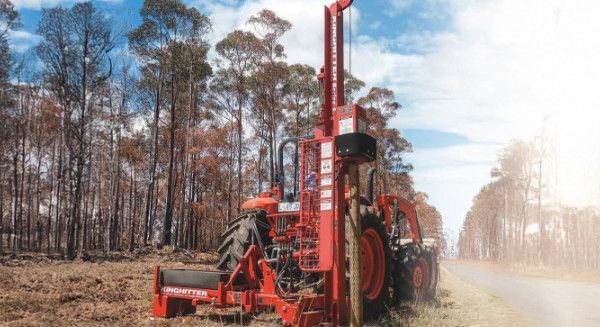
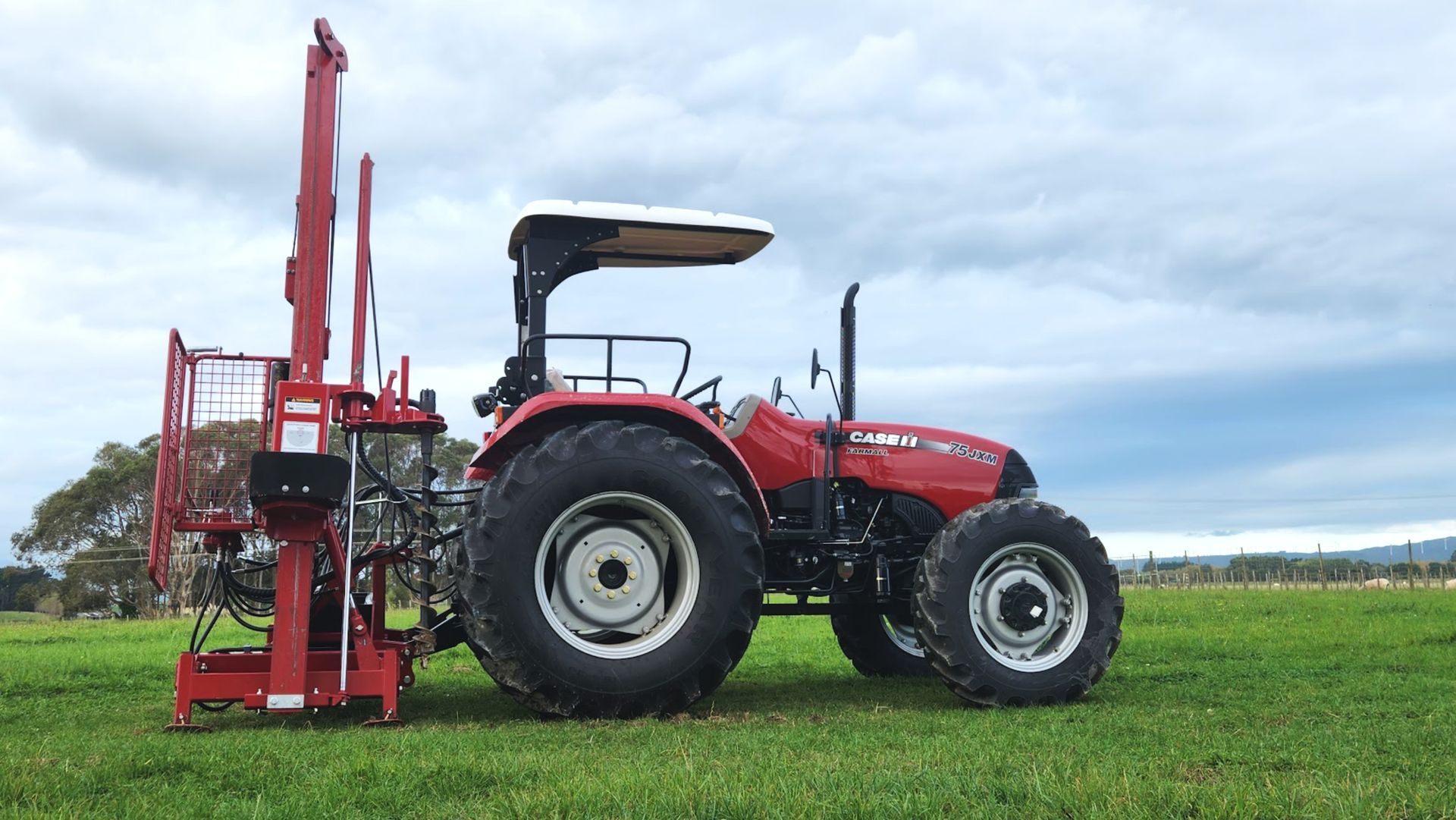
A lot of rural fencing jobs already involve a tractor, even if it’s only to haul posts and equipment. Having a post driver sitting on the back or side of that tractor simplifies things. One person can drive, position, and set posts without relying on someone else to keep things balanced or move equipment around.
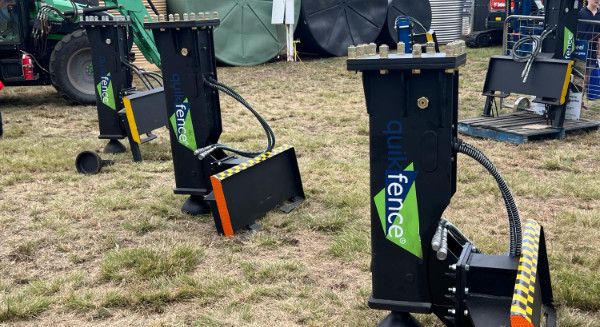
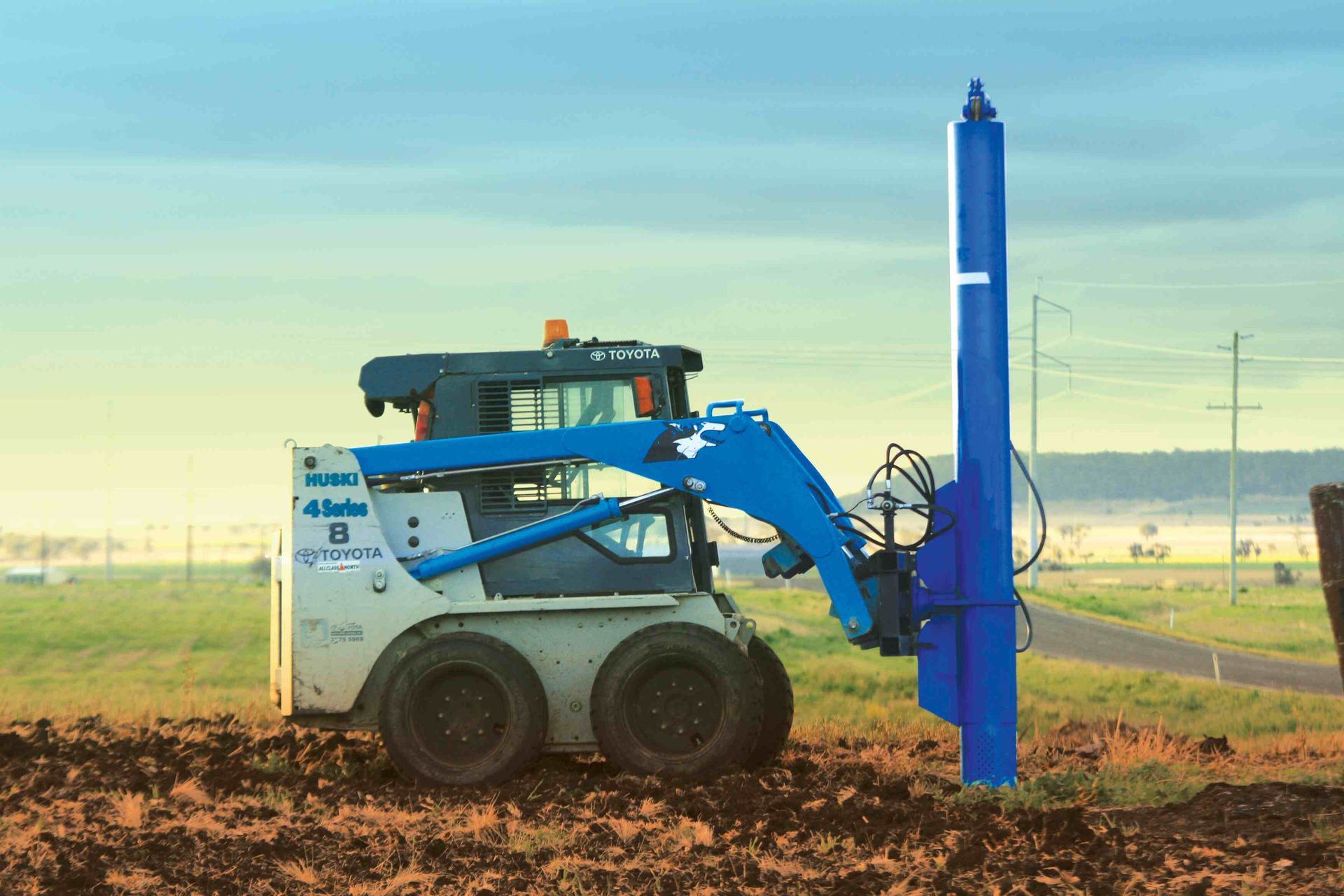
Along long boundary lines or uneven country, it’s a noticeable improvement. The range of post drivers offered by QuikFence can easily work with your skid steer or loader.
Who Actually Benefits Most
Hydraulic post drivers really earn their keep for people who fence regularly, livestock producers, fencing contractors, and anyone with enough land that fences seem to need repairs every time you turn around.
They’re particularly handy if:
- You work hardwood posts
- Ground conditions change from paddock to paddock
- Labour is short (which is most places these days)
- You do seasonal repairs or expansions every year
Most people who eventually buy one say the same thing: they didn’t get it for the big jobs; they got it for the dozens of medium ones that kept creeping up.
And funnily enough, once people start using a hydraulic driver, they rarely go back to older methods unless they’re forced to.
When You Probably Don’t Need One
If you only fence occasionally, maybe replacing the odd broken post or doing short internal runs, then a hydraulic model might be more than you need. A simpler post driver might still get you through just fine.
Hydraulic units aren’t cheap, and they’re best suited to work that comes up often enough to make them worth the space they take up in the shed.
Every property is different. Some producers genuinely don’t fence often enough to justify the investment. Others fence so much that not having one becomes the more expensive choice.
It really comes down to honesty about how much work you actually do, not how much you plan to do.
Don’t Forget the Fatigue Factor
Anyone who’s spent a long day fencing the old‑fashioned way knows that tired arms make bad decisions. You end up rushing. Posts go in crooked. You start thinking “it’ll do,” knowing full well it won’t.
A hydraulic driver removes a lot of that physical wear-and-tear. It’s quieter, calmer, and doesn’t leave you wrecked by the end of the day. That alone improves fence quality.
Fatigue isn’t something people talk about much, but it’s one of the biggest reasons hydraulic systems make such a difference in the paddock.
Ground Conditions Change, Hydraulic Drivers Adapt Better
Rural properties in Australia don’t offer consistency. You can have a perfect loam one moment and then hit a stone five metres later. Traditional drivers react the same way to both. Hydraulic systems don’t. They push steadily and adapt as the ground density changes underneath.
It’s one of the reasons you see hydraulic post drivers show up more in professional setups, they don’t need constant adjusting to deal with the surprises under the surface.
The Supplier Makes a Difference Too
Buying a post driver isn’t just about horsepower or model numbers. A good supplier will understand how you work, what ground you’re dealing with, and how often you fence.
That’s where a team like QuikFence helps. They spend their days talking to contractors and property owners who actually fence, which means their advice is grounded in real work, not guesswork.
And when gear needs support, advice, or parts, having a supplier who knows the equipment well makes life much easier.
Machinery that Pays its Worth
A hydraulic post driver isn’t a must‑have for every fencing job, but it’s one of those pieces of equipment that repays itself quietly over time if you fence often.
If fencing is part of your year, not just an occasional chore, a hydraulic driver can save you hours, spare your body, and give you better fences with fewer headaches.
And since every property is different, talking to a supplier like QuikFence who actually understands rural fencing can help you decide whether a hydraulic setup is genuinely needed, or if a simpler driver will do the job just fine.
The Post by QuikFence