Top 5 Mistakes to Avoid When Using a Post Driver
This is a subtitle for your new post
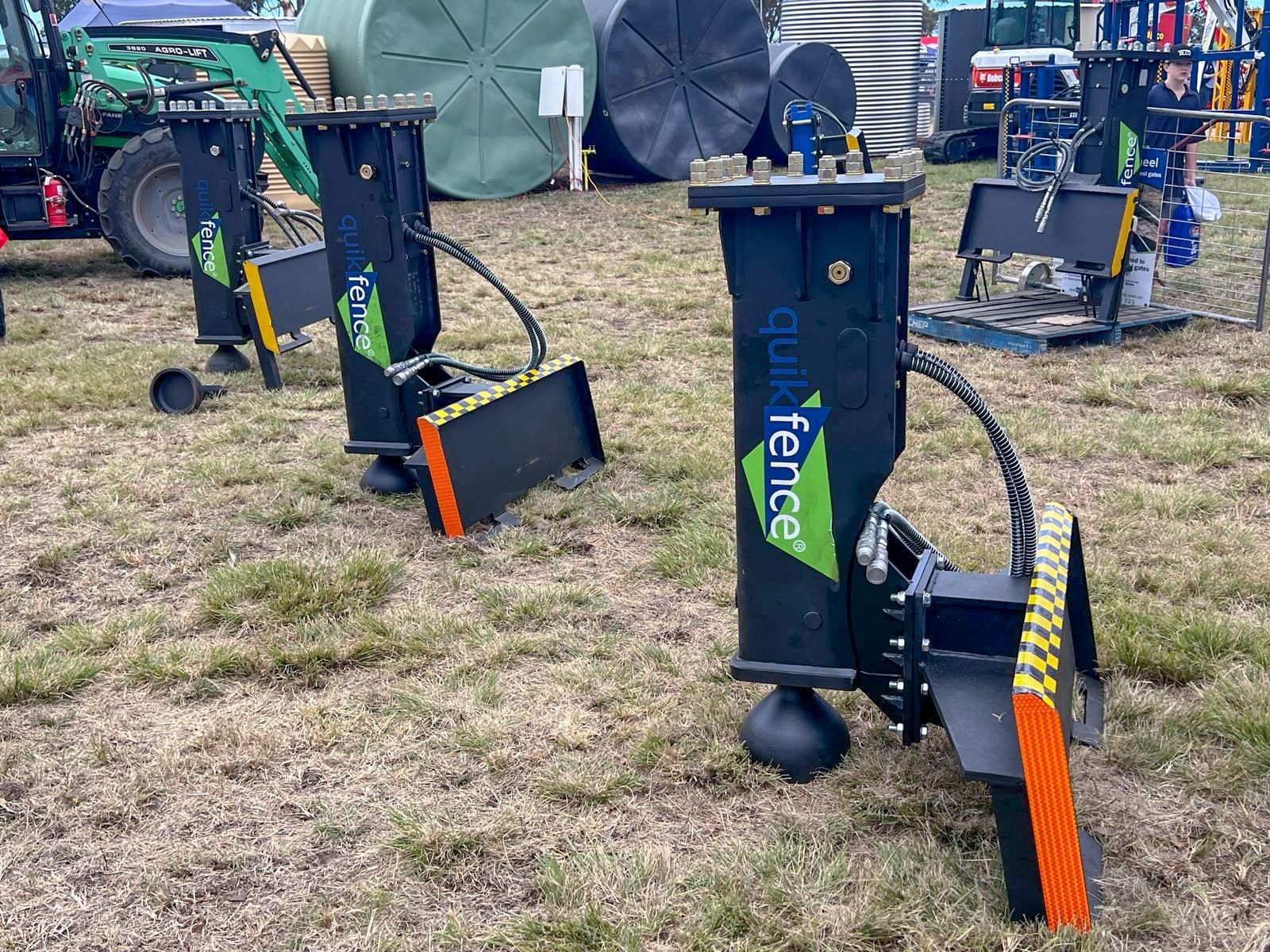
Post drivers have made fencing faster than it’s ever been, especially on larger rural and commercial jobs. Once you’ve used one properly, it’s hard to imagine going back to older methods. That said, just having a post driver on site doesn’t automatically mean better results.
Most of the problems people run into aren’t caused by the machine itself. They come from small habits, rushed decisions, or assumptions picked up over time. Below are five common mistakes seen again and again, even with experienced operators, and why they’re worth avoiding.
1. Trying to Go Too Fast, Too Early
There’s always pressure to get posts in the ground quickly, especially when the weather’s good and there’s a long run to finish. The trouble starts when speed takes priority before the post is properly positioned.
Driving a post that’s slightly out of line doesn’t fix itself just because force is applied. More often than not, it ends up leaning, twisting, or needing to be pulled and redone later.
Taking an extra moment at the start to line things up properly usually saves time by the end of the day. Straight posts, driven cleanly, lead to stronger fences and fewer adjustments.
2. Treating All Ground the Same
One of the biggest mistakes with post drivers is assuming one technique works everywhere. Ground conditions can change quickly, even within the same paddock. Hard clay behaves very differently to sandy soil or rocky ground.
Using the same speed, impact, or approach can lead to:
- Posts sinking too deep in soft areas
- Posts refusing to move in harder sections
- Unnecessary strain on the machine
Good operators adjust how they work, not just the machine. Paying attention to resistance and changing conditions leads to better results and less wear over time.
3. Not Paying Attention to Post Quality
It’s easy to blame a post driver when posts don’t go in cleanly, but sometimes the issue starts before the machine is even used. Bent, poorly cut, or inconsistent posts are harder to drive straight, no matter how good the equipment is.
Driver attachments work best when posts are uniform and properly prepared. A quick check before starting can prevent a lot of frustration later.
Even the best post drivers can’t compensate for bad materials.
4. Skipping Basic Checks and Maintenance
Post drivers live hard lives. Dust, vibration, and constant use take their toll. One common mistake is assuming everything’s fine as long as the driver still works.
Small issues, like loose fittings, worn components, or hydraulic leaks, often go unnoticed until they cause downtime on site.
Regular checks don’t have to be complicated, but they do need to be done. Catching problems early keeps the machine running smoothly and reduces the chance of breakdowns mid‑job.
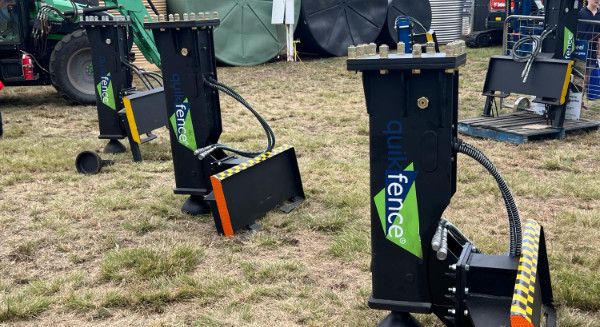
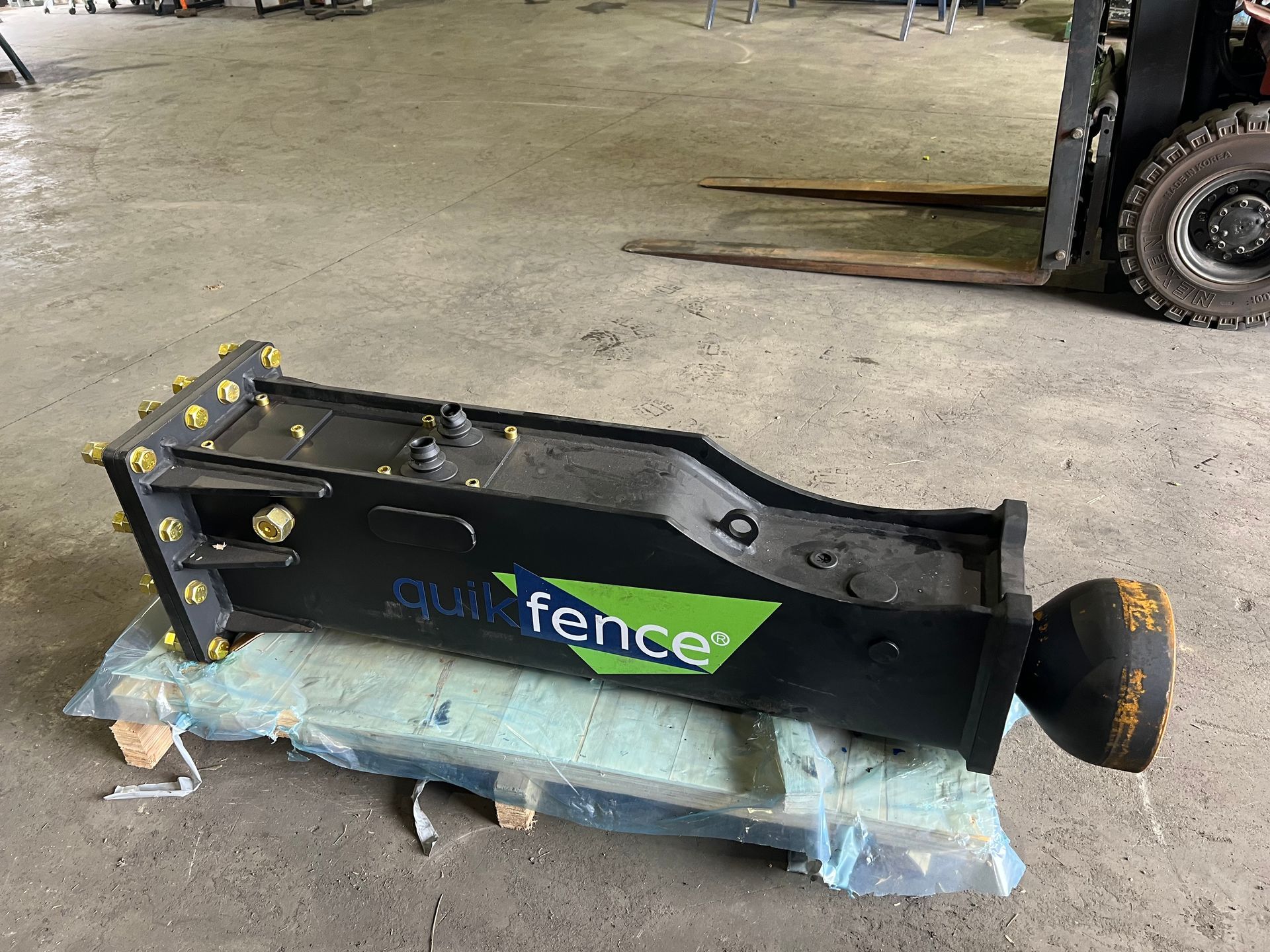
Suppliers like QuikFence, who work closely with fencing contractors, often stress the importance of maintenance for exactly this reason. A reliable driver saves far more time than one that’s constantly being fixed.
5. Treating Safety as Secondary
Post drivers generate serious force. Most operators understand this, but safety routines can slip when things feel familiar.
Standing too close, rushing setups, or working without clear communication can lead to accidents, especially on busy sites. Good habits matter, even on “quick” jobs.
Clear space around the driver, steady positioning, and awareness of who’s nearby should never feel optional. A fence that goes up quickly isn’t worth much if someone gets hurt in the process.
Why These Mistakes Keep Happening
Most of these issues don’t come from a lack of knowledge. They come from cutting corners when things feel routine. Familiarity can breed confidence, but it can also lead to oversight.
Post drivers are powerful tools, but they work best when paired with steady, thoughtful operation. Operators who slow down just enough to stay precise usually finish sooner overall.
The Role of the Right Equipment and Support
Choosing a good post driver is only part of the process. Having access to reliable advice, parts, and ongoing support matters just as much.
As a supplier, QuikFence works with contractors who rely on these machines every day. That experience helps guide people toward equipment that suits the type of work they actually do, rather than what looks best on paper.
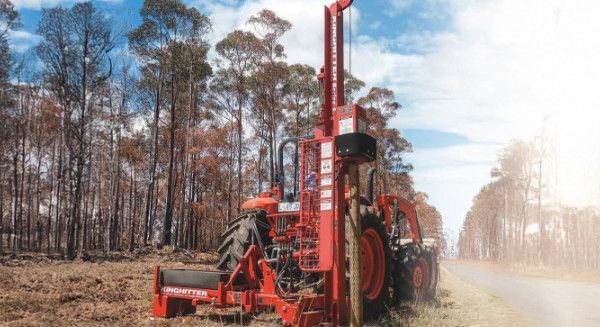
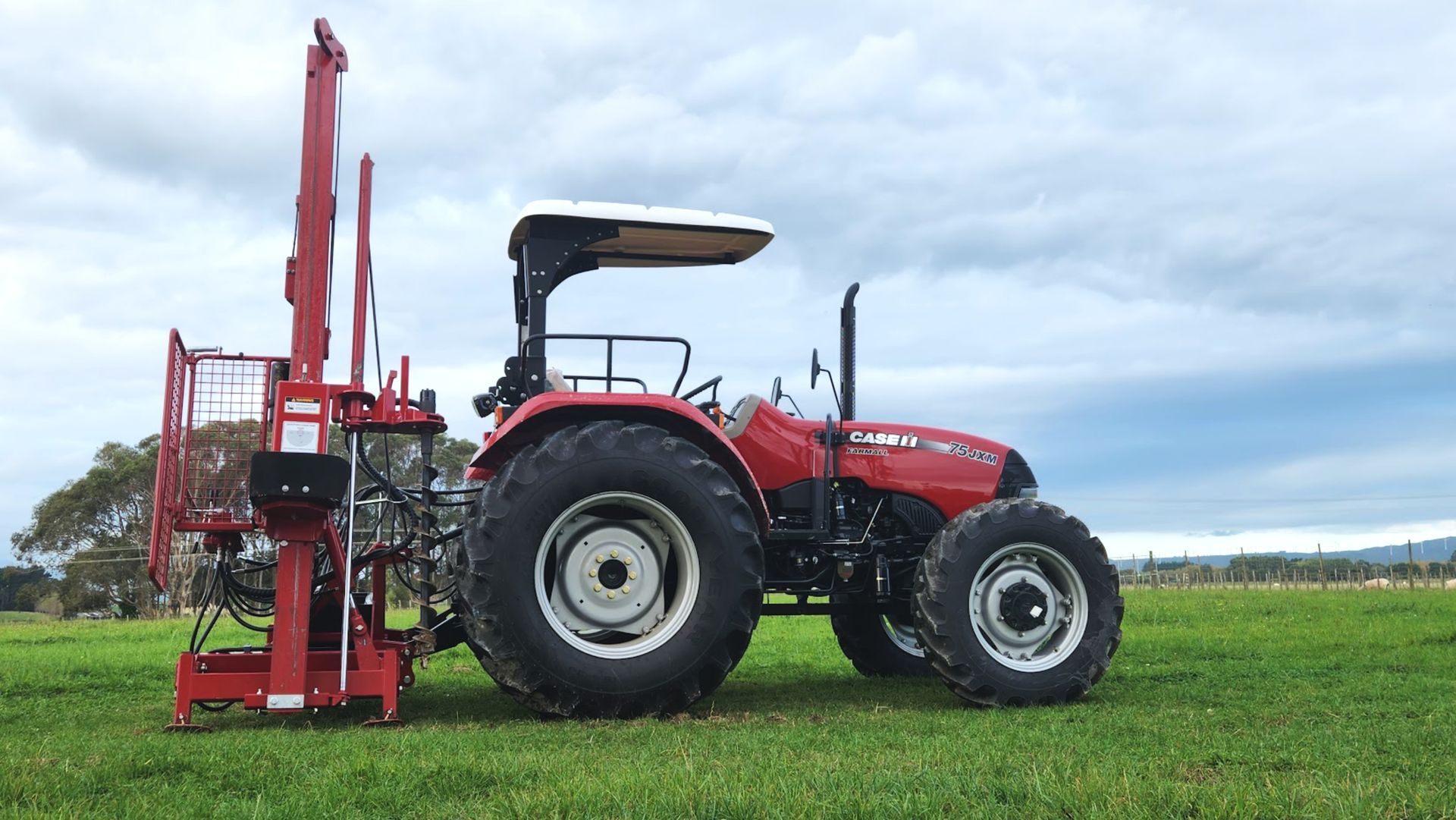
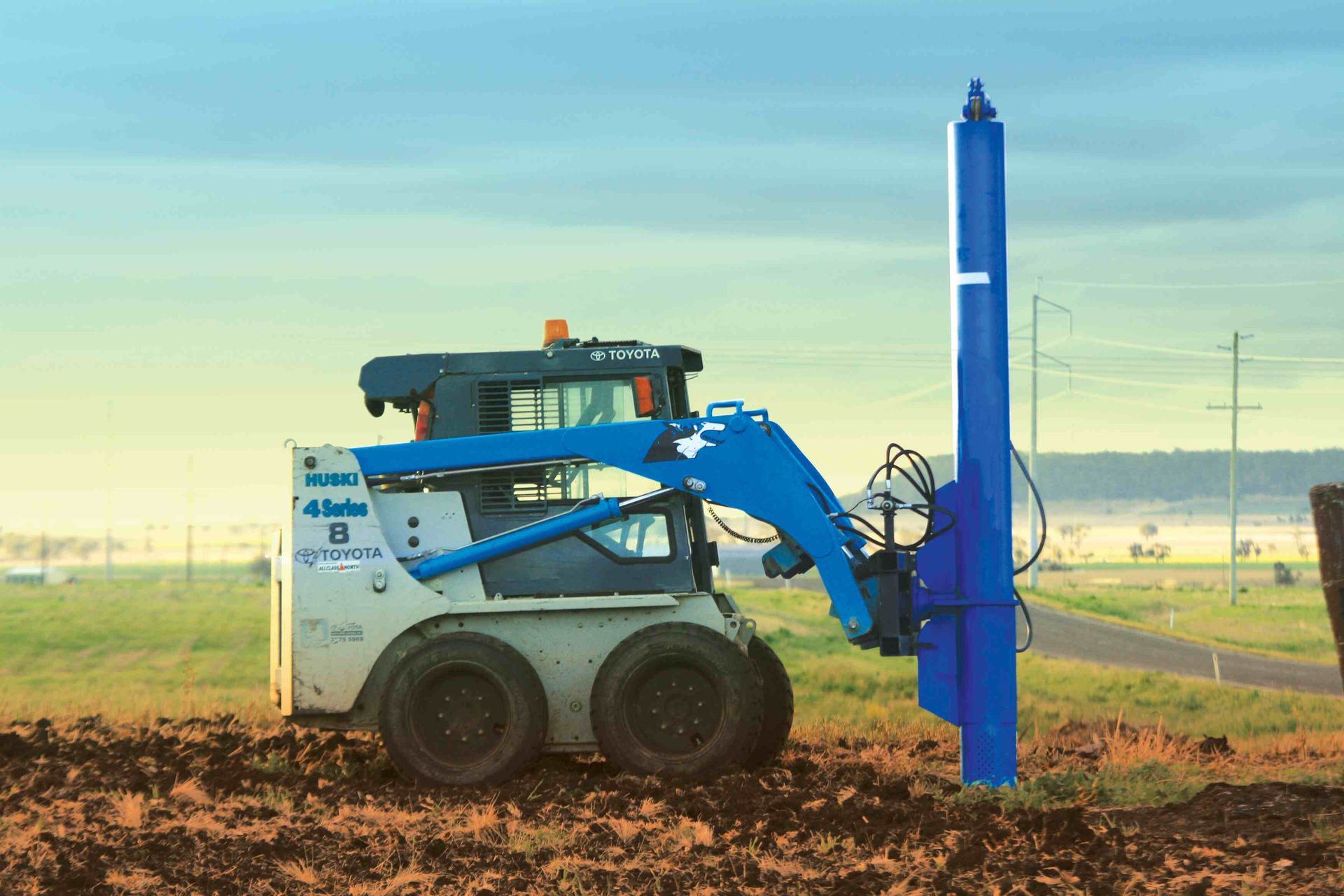
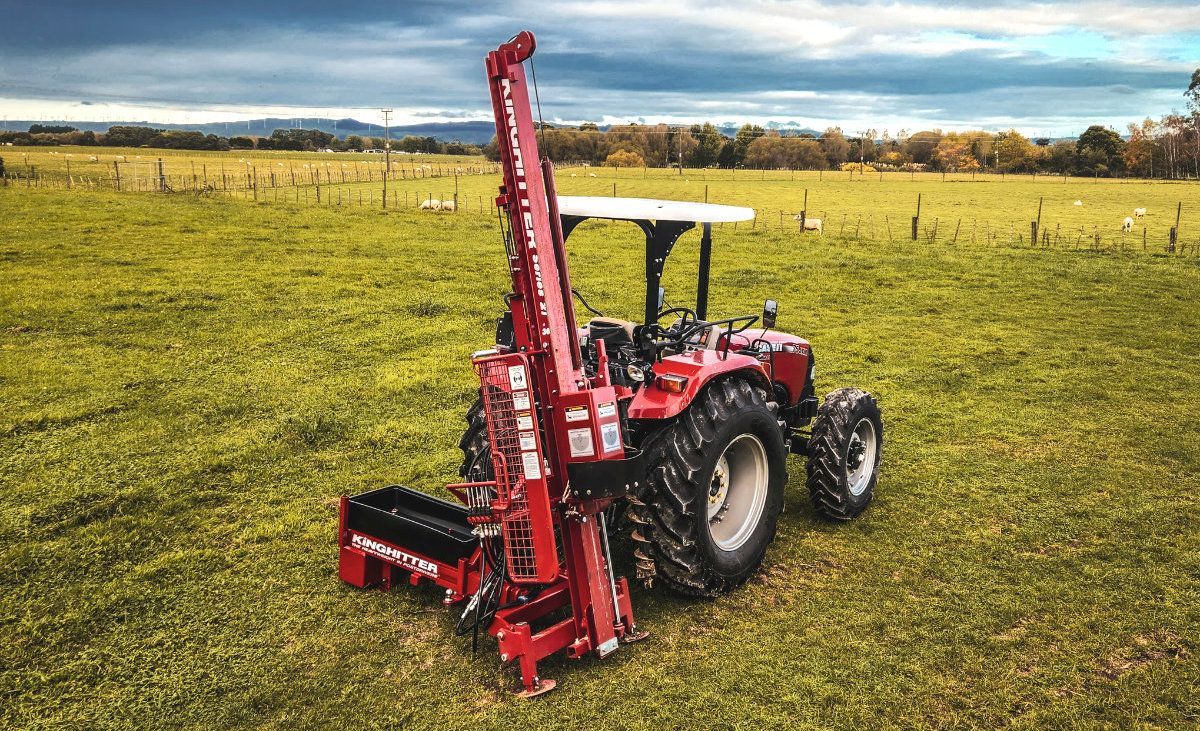
Having the right driver like the ThunderPro, KingHitter, or PostPuncher, set up properly and used with care, makes fencing more consistent and far less stressful.
The Post by QuikFence