FastFencer vs FastFencer Jr: Which One Suits Your Tractor or Skid Steer?
This is a subtitle for your new post
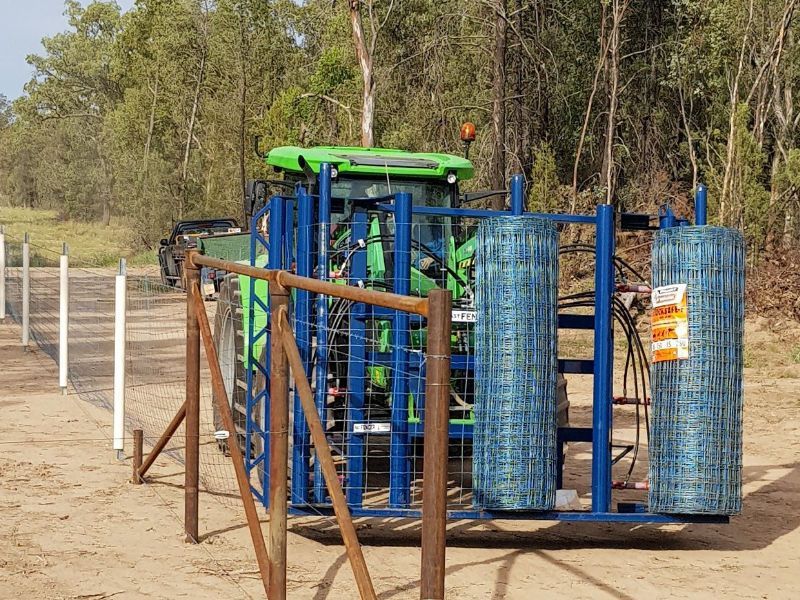
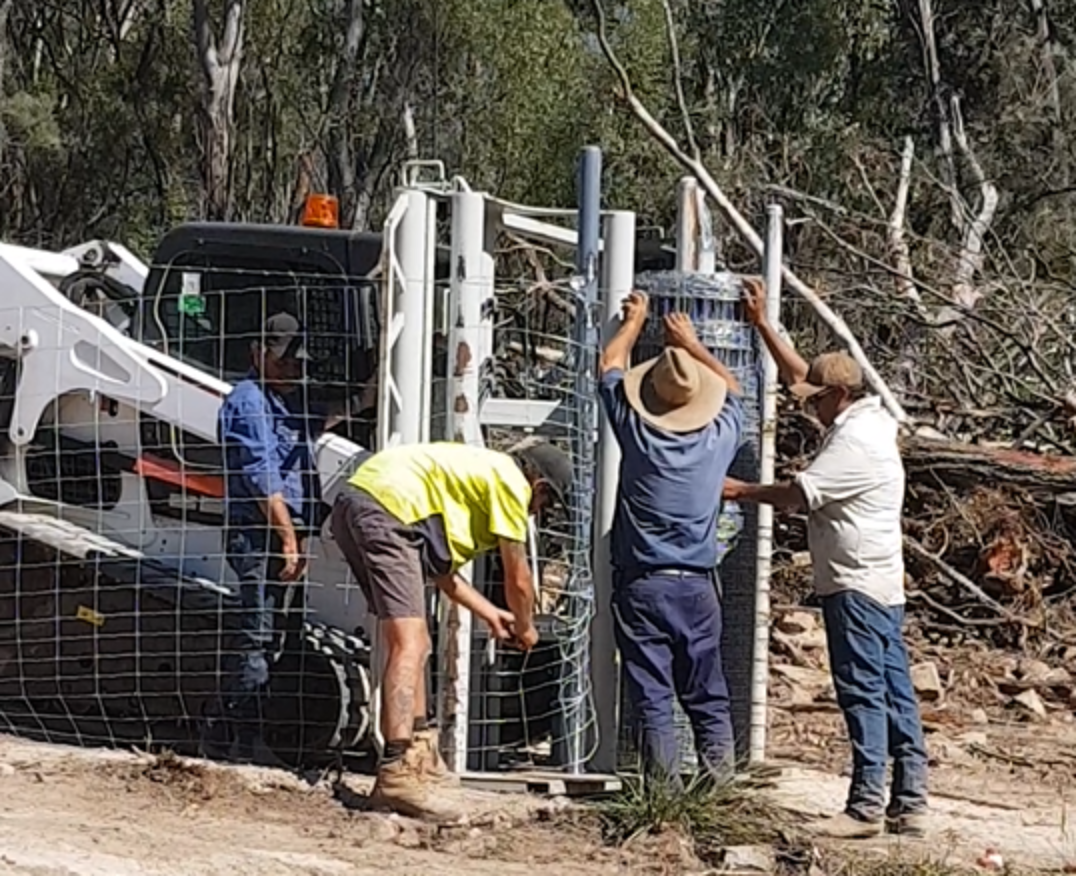
Lifting heavy rolls of wire by hand is slow, tiring, and hard on your back. That is why more farmers and fencing contractors are using a fencing machine to do the lifting for them. QuikFence makes two of them: theFastFencer and theFastFencer Jr.
Both machines pick up the wire, carry it along the fence line and hold it tight while you tension it. The difference is the size of the machine and the number of rolls it carries. This guide explains each one in plain terms, so you can pick the right fit for your tractor or skid steer.
What Do the FastFencer and FastFencer Jr. Have in Common?
Both machines are designed and built by QuikFence in Warwick, Southern Queensland, and both do the same basic job:
- They lift heavy rolls of netting or ringlock off the ground, so you never have to pick up a roll by hand.
- They carry the rolls along the fence line on your tractor, skid steer, or other parent machine.
- They clamp the wire so you can tension it by driving the parent machine forward.
- One operator can run them from the seat.
The real question is which one matches your machine and your fencing workload.
FastFencer: Three Rolls for Bigger Machines and Longer Runs
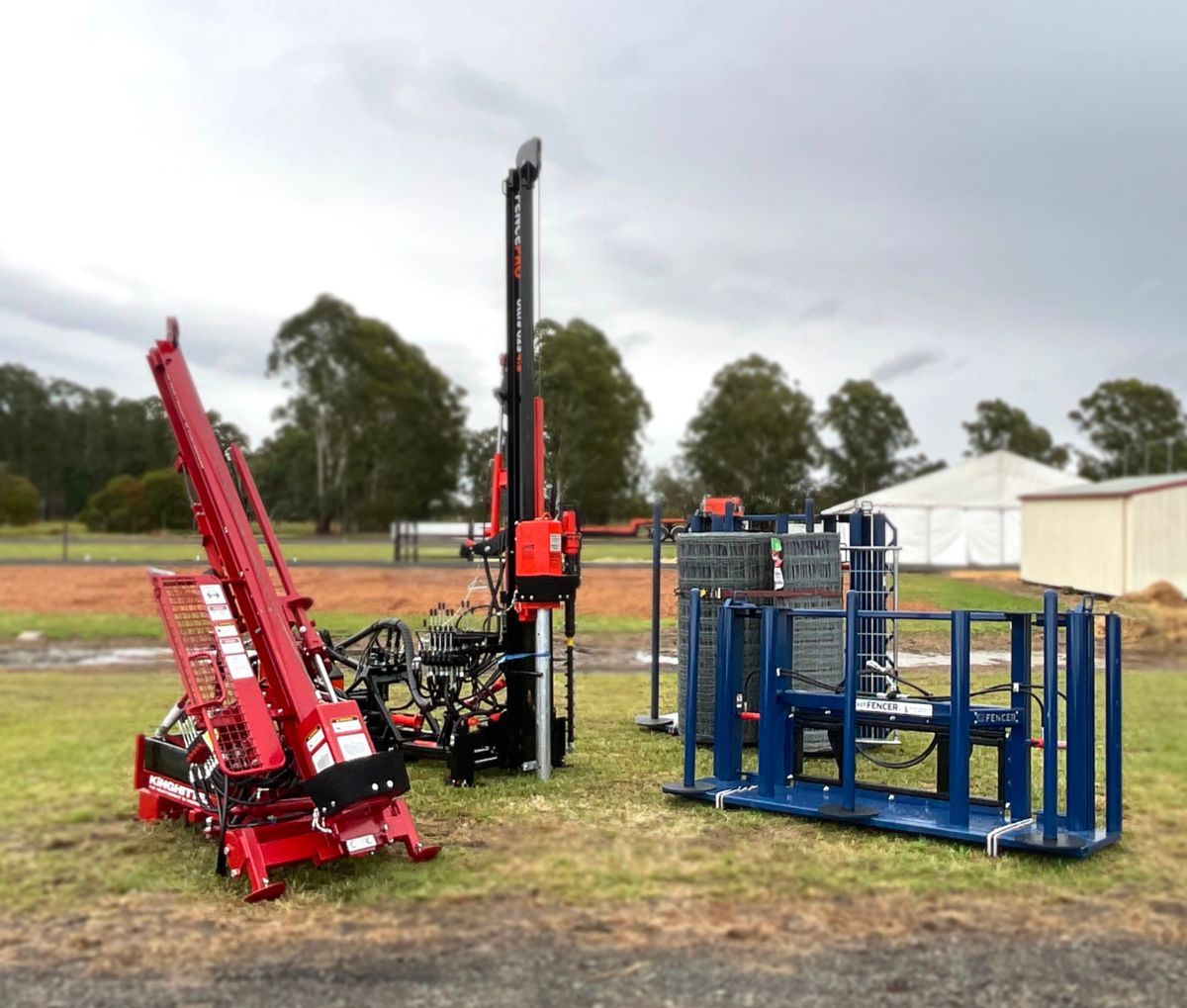
The FastFencer carries three rolls at a time. The standard machine picks up rolls from 900 mm to 1.8 metres high and up to 250 metres long, and there is an option for 500 metre rolls. That means a lot of fence wire goes out before you need to stop and reload.
Here is what else you get:
Clamps on both sides. You can fence in either direction without changing anything.
Heights to suit the job. The 1300 mm model suits sheep country, and the 2100 mm model is ideal for exclusion fencing. A 1600 mm model is also available.
A width to suit your machine. The 2400 mm wide model suits skid steers and smaller tractors. The 3000 mm wide model suits larger tractors, telehandlers, and most loaders.
A side shift option. It moves the whole machine 300 mm left or right, so you can line up the wire without moving the tractor.
For contractors who fence regularly, or farmers running long boundary and exclusion fences, the FastFencer is the machine that gets the most wire out in one go.
FastFencer Jr: One or Two Rolls for Smaller Machines
The FastFencer Jr was built for people who wanted the same lifting and tensioning help but run a smaller parent machine, or only need to handle one or two rolls. It is lighter and smaller, and suits excavators, skid steers, small tractors and mini diggers. It is a good match for parent machines up to about 100 horsepower.
Here is what makes it different:
One or two rolls. Pick the version that suits your jobs. On the two roll machine, you can join the next roll when the first one finishes, without reloading.
One clamping arm to save weight. If you want to fence in the other direction, simply remove two clips (top and bottom), swing the arm across and put the clips back in. There is no unbolting, dragging or lifting a heavy arm.
Choice of heights. It comes in different heights to suit your fencing.
Made for tighter jobs. The smaller size makes it handy where space is limited.
For farmers who fence a few times a year, or who work with a smaller machine, the Jr gives you the same help without the extra size.
Which One Suits Your Tractor or Skid Steer?
Use this as a simple guide:
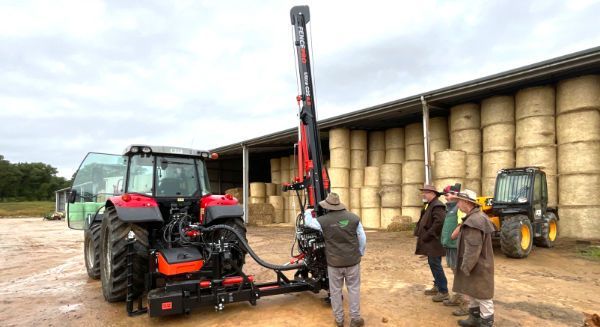
Skid steer: Both machines suit skid steers. If you want three rolls at a time, the 2400 mm wide FastFencer is the fit. If your skid steer is on the smaller side, or one or two rolls is enough, the FastFencer Jr is the better choice.
Small tractor: The FastFencer Jr suits small tractors well. If your tractor can handle more, the 2400 mm wide FastFencer is also an option.
Large tractor, telehandler or loader: The 3000 mm wide FastFencer is made for these machines.
Excavator or mini digger: The FastFencer Jr is the one to look at.
Contractors fencing most weeks: The FastFencer saves the most time across a long job.
Farmers fencing now and then: The FastFencer Jr covers most farm jobs without the extra size.
Questions to Ask Before You Choose
A few quick questions will point you to the right machine:
What parent machine will carry it? Its size and lifting ability decide which machine fits.
How long are your fence runs? Long runs favour three rolls. Shorter runs suit one or two.
How often do you fence? Regular work suits the bigger machine, and occasional work suits the Jr.
What height of wire do you need? Choose the height for your stock or exclusion needs.
Not Sure Which Machine Suits Your Job?
Tell the QuikFence team what parent machine you run and what fencing you do, and they will help you match the right FastFencer. Call 1800 062 723 orget a free quote today.
The Post by QuikFence