by Jon Earl
•
4 September 2026
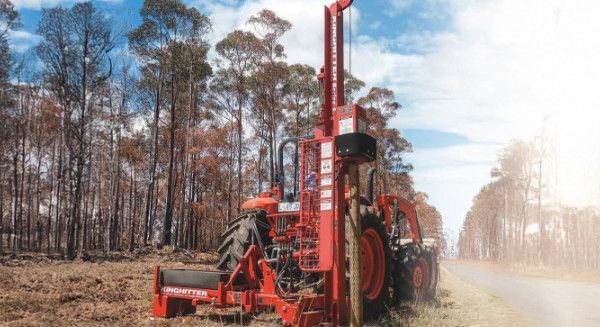
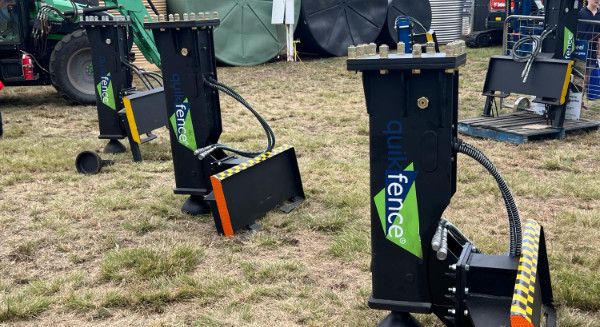
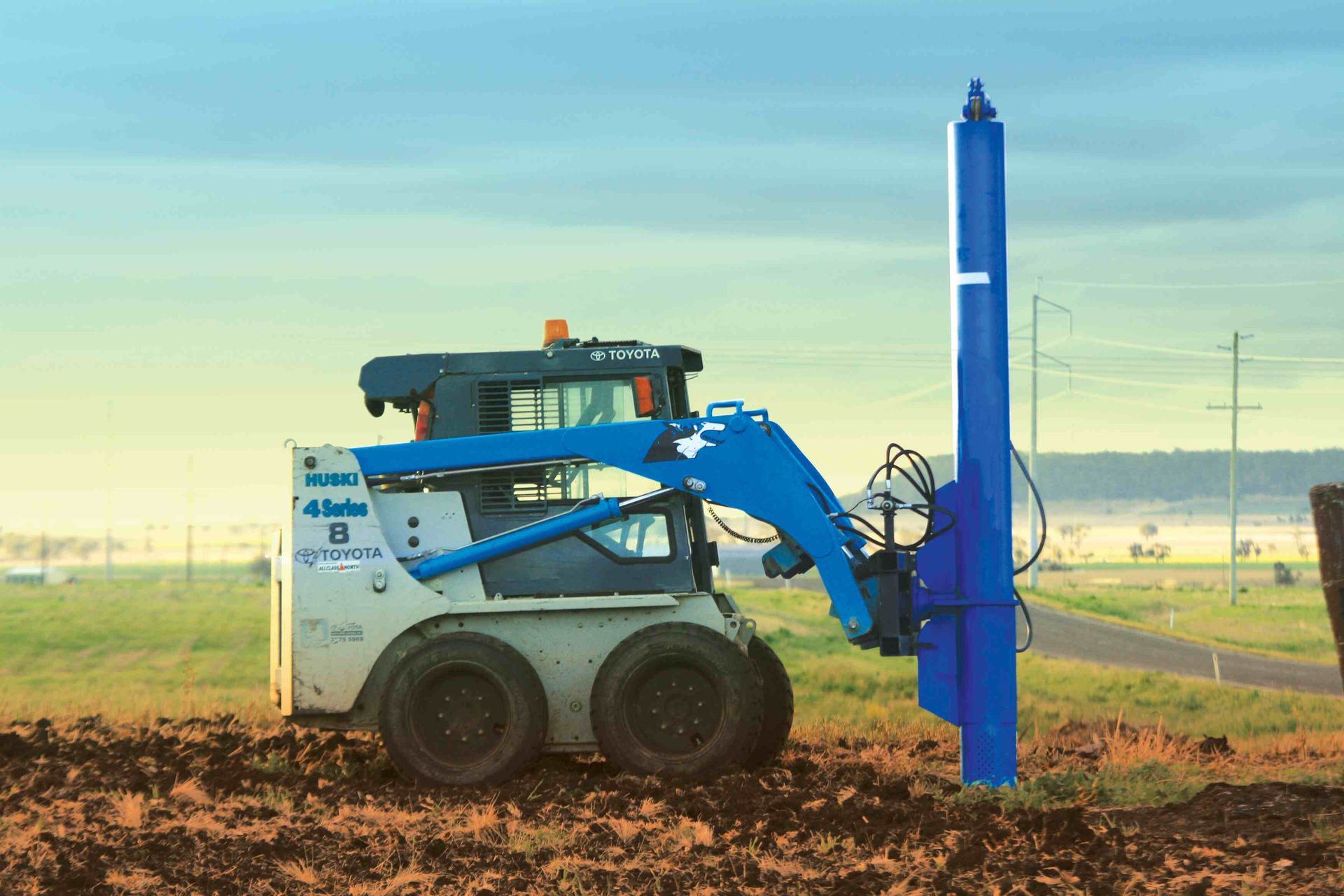
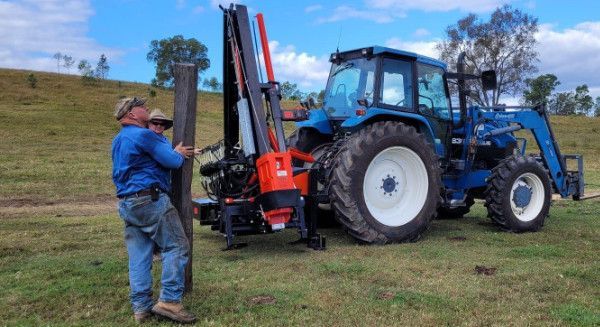
Time lost on a fencing job rarely comes back. The season opens, the ground is workable, and there's a long run to get through before conditions change. Most people underestimate how much the choice of equipment shapes how that run actually goes. The gap between manual post driving and a post driver for a skid steer is bigger than most expect before they've experienced both side by side. The Reality of Manual Post Driving Manual post driving works. But working and working efficiently across a full day are two different things. Every post requires the operator to position equipment by hand, strike repeatedly, check alignment, correct if needed, and move on. On a short job with easy ground, that's manageable. Once the run stretches out, it becomes the thing that eats the day. Depth varies from post to post. Alignment drifts. The operator tires and small errors start creeping in before anyone notices. A job that looked achievable in the morning starts pushing into the next day. That's not a failure of effort. It's the natural limit of what manual methods can sustain across a serious fencing run. What Changes When a Skid Steer Gets Involved The operator stays in the cab throughout. The machine repositions between posts without anyone climbing off or dragging equipment into position by hand. The fence post driver handles the impact. The operator handles placement. That shift alone changes the pace of the whole job. The bigger change is consistency. Controlled hydraulic force delivers the same result post after post. Depth stays uniform. Alignment stays cleaner across the run. The small corrections that cost manual operators minutes at a time stop being a constant part of the day. ere the Time Actually Goes Faster driving is the obvious saving. A skid steer post driver gets through a post in a fraction of the time manual methods take. Across hundreds of posts, that adds up to hours, not minutes. Fewer corrections is the next one. Posts that go in consistently straight don't need adjusting. A fence line built with uniform depth and clean alignment doesn't need rework once the wire is up. Less fatigue is the saving that doesn't get counted but matters most. The physical load stays on the machine rather than the operator. The pace that starts the morning holds through the afternoon in a way that manual driving simply can't match once the day gets long. Hard Ground Is Where the Gap Really Opens Up On easy ground, manual post driving is slow. On hard ground it becomes genuinely difficult to sustain Compacted clay, rocky sections, ground baked dry across an Australian summer. These are the conditions where manual methods lose hours that don't come back. Progress slows, and the results get inconsistent just when the job needs them most. A post driver handles those changes without the operator having to compensate manually. The hydraulic system responds to resistance and the job keeps moving. In particularly tough or difficult to access sections, the PostPuncher can work on slopes, over ditches, and into spots where manual driving simply isn't a realistic option. Access Is Part of the Time Equation Too Manual driving means carrying or dragging equipment to each post location. A fence post driver on a skid steer moves with the machine. Tight corners, steep creek banks, narrow sections near yards and sheds. A skid steer gets into those spots without the setup that larger machinery requires. Less time getting to the post means more time actually driving it. What the Difference Looks Like Across a Season On a single job, the time saving is noticeable. Across a full season of fencing work, it becomes significant. Faster installation. Fewer corrections. Less fatigue dragging down the second half of the day. Better access across sections of the property that used to cause delays. All of it adds up across every run the season brings. For anyone still relying on manual methods for regular fencing work, the question isn't whether a skid steer post driver saves time. It's how much time has already been lost without one. QuikFence supplies a range of post drivers suited to skid steers and Australian conditions, including the PostPuncher, FencePro, and ThunderPro. Get in touch with our team to know which machine suits your work.