How to Choose the Best Skid Steer Post Driver for Australian Farms
Picking a skid steer post driver isn't something most people spend a lot of time thinking about until they're in the middle of a job and the setup isn't working. The ground is fighting back. The machine is struggling. The operator is working harder than the equipment should be making them.
Getting the choice right before the job starts makes everything after it easier.
Start With What the Job Actually Demands
Not all fencing jobs are the same, and not all skid steer post drivers are built for the same conditions.
Before looking at any specific model, be honest about what the fencing work actually involves. How hard is the ground most of the time? What size posts are going in? Are there sections that are difficult to access with larger machinery? Those answers narrow the choice down quickly.
The Parent Machine Matters as Much as the Driver
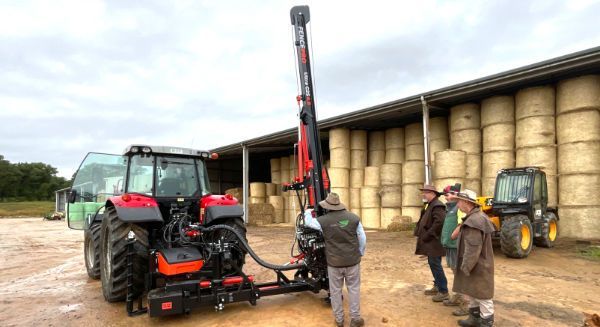
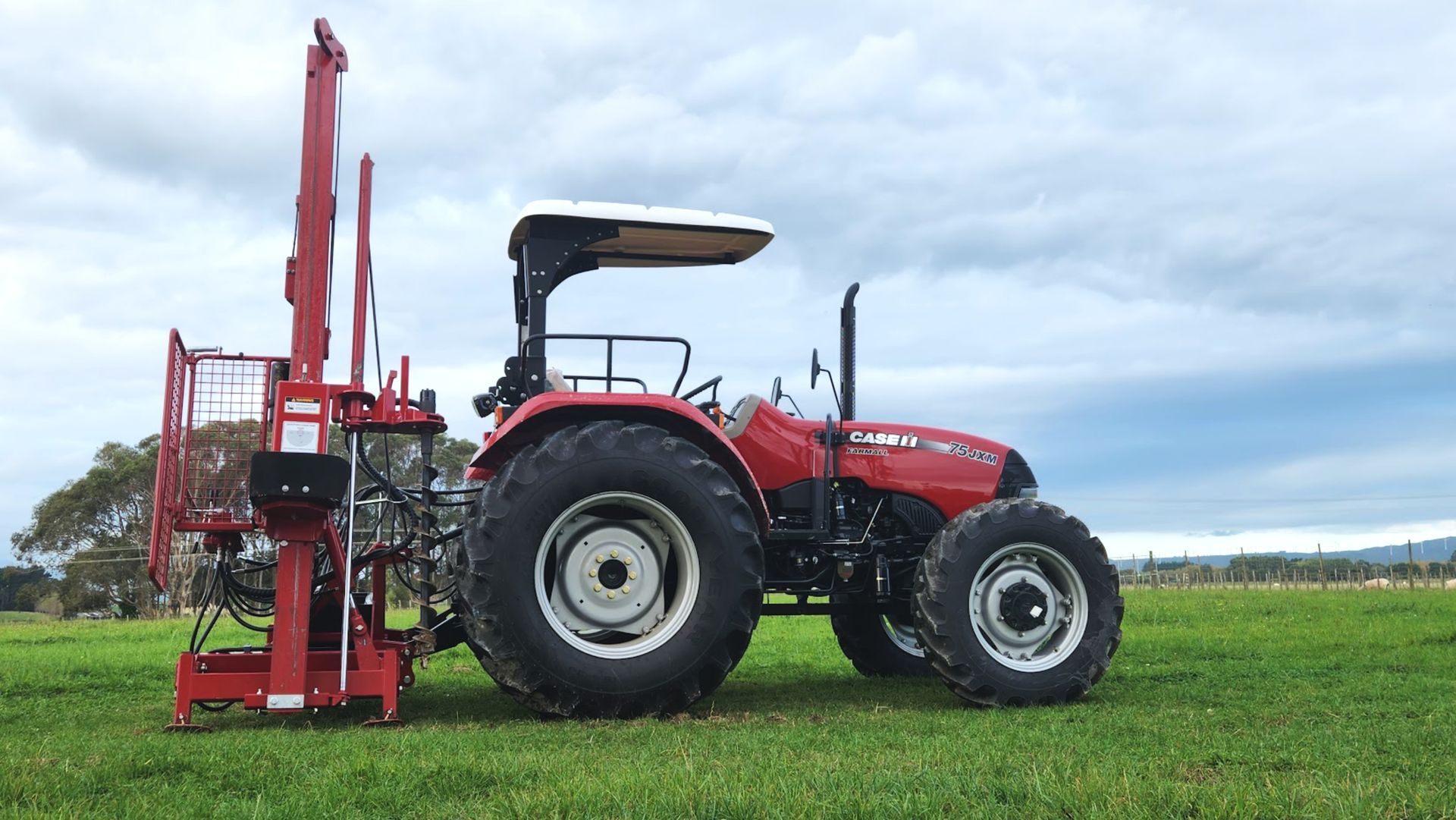
A skid steer post driver runs off the hydraulic system of the machine it's attached to. Different drivers have different weight and hydraulic requirements. A lighter unit suits compact machines. A heavier unit needs a machine with the capacity to run it properly.
Most models specify minimum machine requirements. Checking those before committing saves a lot of unnecessary trouble later.
Ground Conditions Should Drive the Decision
This is where most people get the choice wrong.
On mixed ground, a hydraulic post driver delivers controlled, consistent force that adapts to changing resistance. Posts go in at a steady depth without the operator having to adjust constantly.
On harder ground where resistance is the main problem, a percussion-style driver makes more sense. That jackhammer-style action gets posts through material that hydraulic pressure alone struggles with and keeps the job moving in conditions that would otherwise slow everything down.
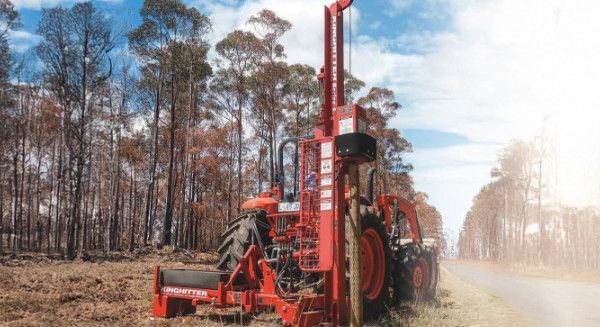
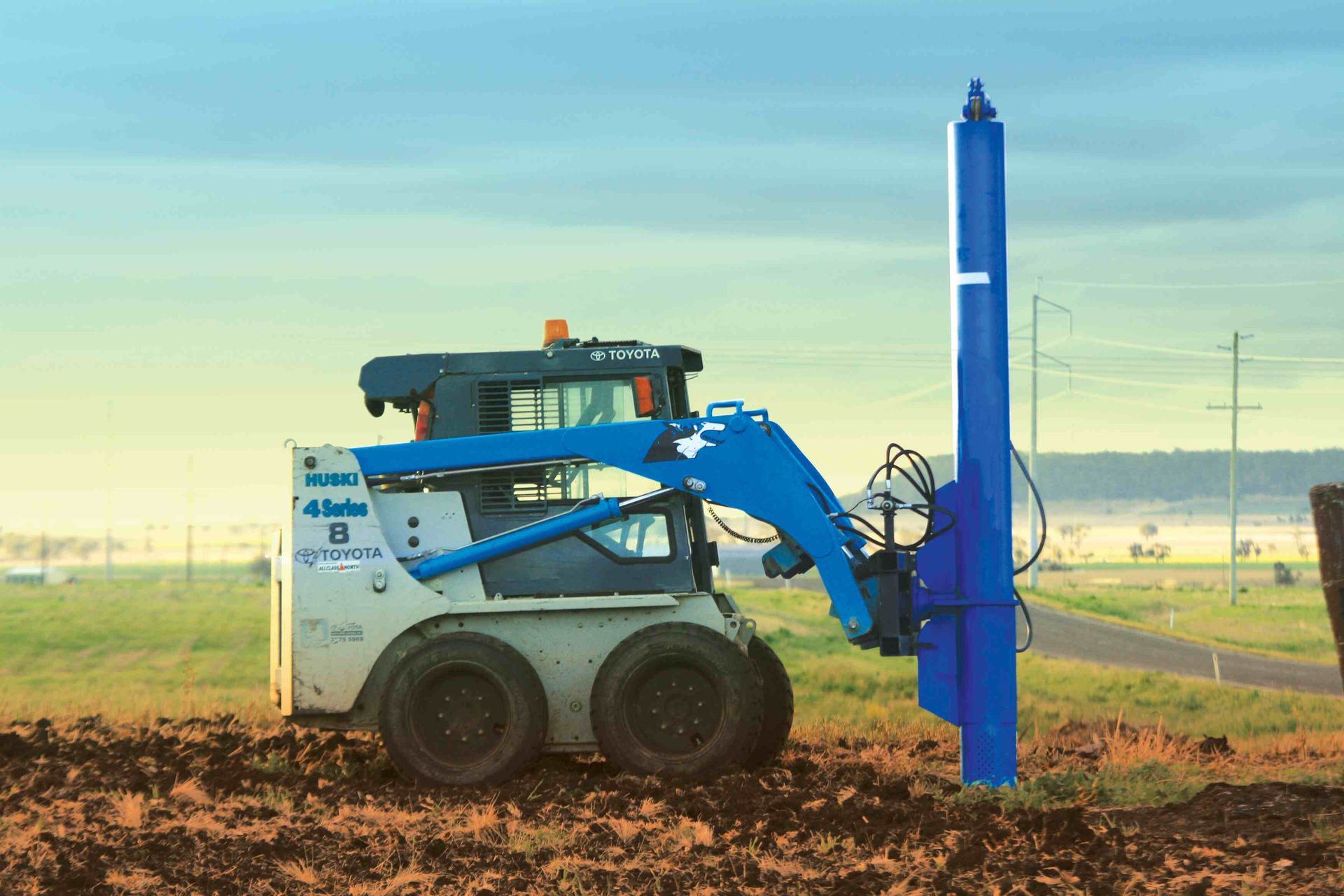
For jobs where access is the challenge rather than the ground, a front-mounted driver changes things entirely. The operator stays in the cab with clear visibility throughout, and the machine gets into spots that rear-mounted setups can't reach safely.
Post Size Is Part of the Equation
Driving a post the driver isn't suited to is one of the more common reasons jobs slow down and results get inconsistent.
Most skid steer post drivers cover a range of post sizes, but that range varies between models. Lighter models handle smaller posts on compact machines. Heavier models are designed for larger posts and need a parent machine with enough capacity to run them. Knowing the post sizes that come up most often makes the model choice straightforward.
Safety Should Be Part of the Decision From the Start
Post driving involves serious force, and a well-designed driver handles that safely without putting the responsibility on the operator.
Front-mounted drivers keep the operator away from the impact zone entirely. Enclosed working mechanisms that only expose moving parts during the strike reduce risk for anyone nearby. On a job involving hundreds of posts, those design choices make a real difference to how the day runs.
The Choice Usually Comes Down to Three Things
What the ground is like. What the machine can handle. And what the job involves day to day.
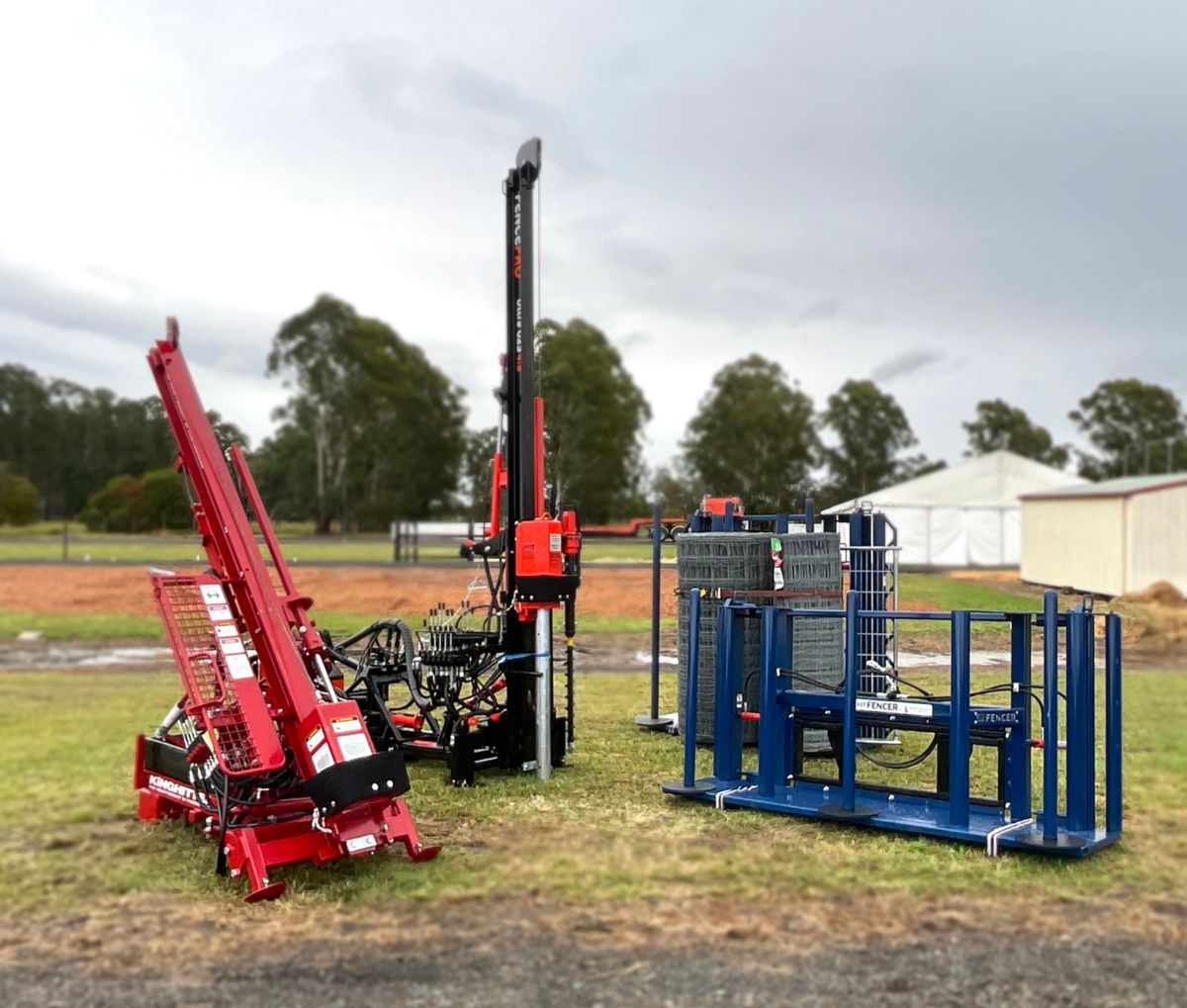
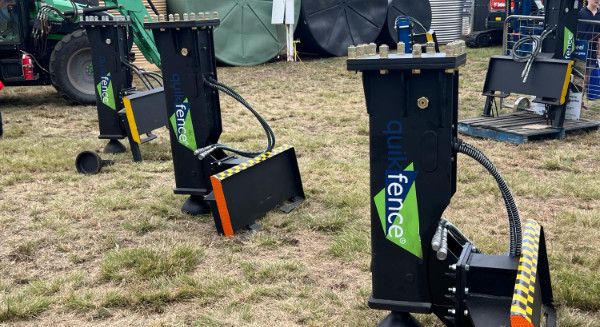
For general mixed conditions, driving with FencePro covers most situations. For hard and rocky ground, the ThunderPro delivers the percussion force to get posts in where pressure alone won't. For tight access and difficult terrain, the PostPuncher is a perfect choice.
Getting clear on what the work actually demands is the part worth spending time on before anything else.
QuikFence Carries Options for Every Situation
Whether the work calls for a versatile hydraulic post driver, a percussion model for tough ground, or a front-mounted skid steer post driver for difficult access, QuikFence supplies a range built for Australian conditions.
How to choose a skid steer post driver? Reach out to us. The FencePro,
ThunderPro, and PostPuncher each suit different demands, and our team can help work out which one fits the machinery and the ground.
The body content of your post goes here. To edit this text, click on it and delete this default text and start typing your own or paste your own from a different source.
The Post by QuikFence