Post Driver Maintenance Checklist for Longer Equipment Life
Equipment failure mid job is rarely a surprise. It usually follows weeks of small signs that got ignored. A sound that changed. A fitting that felt loose. A hose that looked worn but got left for another day.
Post drivers work hard. Keeping them working properly comes down to a few consistent habits done regularly. Not complicated. Just done.
Check It Before Work Starts
Before the post driver starts work each day, take a few minutes to look it over.
Check bolts and fittings. Look at moving parts for anything worn or loose. Check where the driver mounts to the parent machine. Look at hoses and connections for anything that has changed since the last job.
Small issues found at the start of the day take minutes to deal with. The same issues found halfway down a fence line take much longer to sort out and usually cost more to fix.
Make it a habit before the first post goes in. Every day.
Grease Every Morning Without Fail
Dust is one of the biggest threats to any post driver in Australian conditions.
Fine grit gets into slides and pivot points and works through moving parts like sandpaper. Greasing all joints at the start of every working day keeps that damage from building up. In particularly dusty or sandy conditions, a mid day grease is worth the time it takes.
Always clean around each grease point before applying lubricant. Pushing fresh grease over grit forces it deeper into the machine rather than protecting against it.
A well-greased post driver runs cooler, wears slower, and lasts longer. It is one of the simplest habits with the biggest impact on equipment life.
Know Your Power System and Check It Regularly
Different post drivers operate differently.
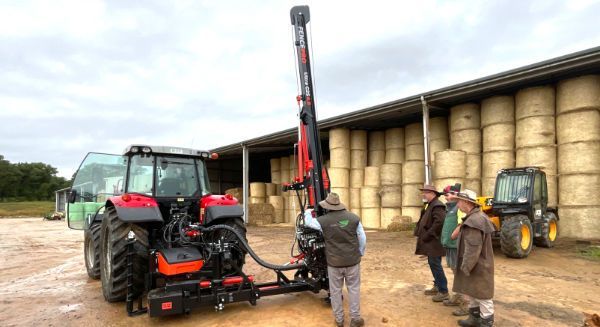
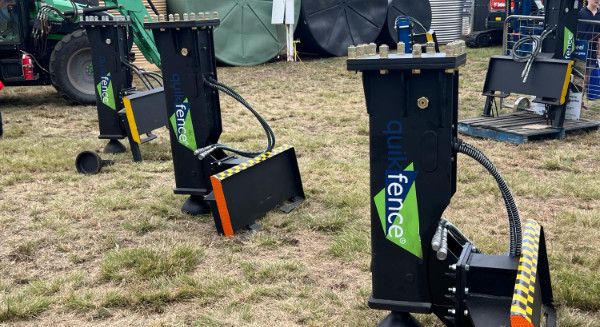
A hydraulic post driver runs off the parent machine's hydraulic system. Nitrogen-powered percussion units use a different power source entirely. Each needs attention in a different way, but both need regular checking.
For hydraulic post drivers, check hoses and fittings each morning. Look for cracking, bulging, or rubbing, particularly in areas where hoses flex during operation. These are the spots that wear first. Keep fluid clean and at the correct level. Low or contaminated fluid reduces performance and accelerates wear across the whole system.
For nitrogen powered units, check gas pressure and connections before starting. Follow the manufacturer's recommendations for your specific model.
If something feels or sounds different during operation, stop and investigate. Running a machine that isn't right causes damage that costs significantly more to fix than stopping to check it early would have.
Clean the Machine Before the Day Ends
Material left on the equipment overnight becomes a problem the next morning and every morning after.
Knock mud and clay off around the mast and hammer at the end of each working day. Dried clay restricts movement. Dust that builds up in sliding surfaces increases wear with every cycle the machine runs.
End of day cleaning is also when problems get spotted early. A stress mark, a crack, or a component that looks different is far easier to deal with when it's found during a clean than when it causes a breakdown five kilometres out in a back paddock with no tools nearby.
Inspect Wear Parts Regularly
Some parts of a post driver are designed to wear over time. Bushings, hammer guides, pivot points, and contact surfaces take the most punishment and need to be checked consistently across a season.
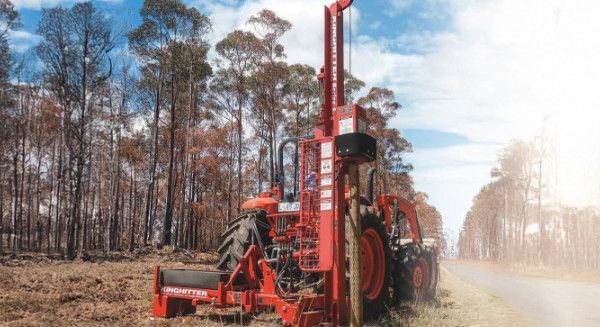
On machines like the KingHitter post rammer, which operates under constant high impact, this kind of regular inspection keeps the machine performing the way it should across a long season. Wear caught early is cheap and quick to address. Left too long, it puts stress on surrounding components and turns a small replacement into a much larger repair.
If the machine sounds different from usual, pay attention to it. Most operators know what their machine sounds like when everything is running right. A change in that is worth investigating before it becomes something more serious.
Store It Properly Between Jobs
How a post driver is stored between jobs has a direct impact on how it performs when it comes back out.
Store on level ground. Take pressure off the system when the machine isn't in use. Keep hoses and seals away from prolonged direct sun exposure where possible.
Before putting the machine away for an extended period, clean it thoroughly, grease all points, and apply a rust preventive spray to exposed unpainted metal surfaces.
A machine stored properly is ready to work when the season opens. One left neglected usually makes that clear at the worst possible time.
Match the Machine to the Conditions
Every post driver is built to work within a certain range. Pushing past that adds stress and shortens the machine's working life.
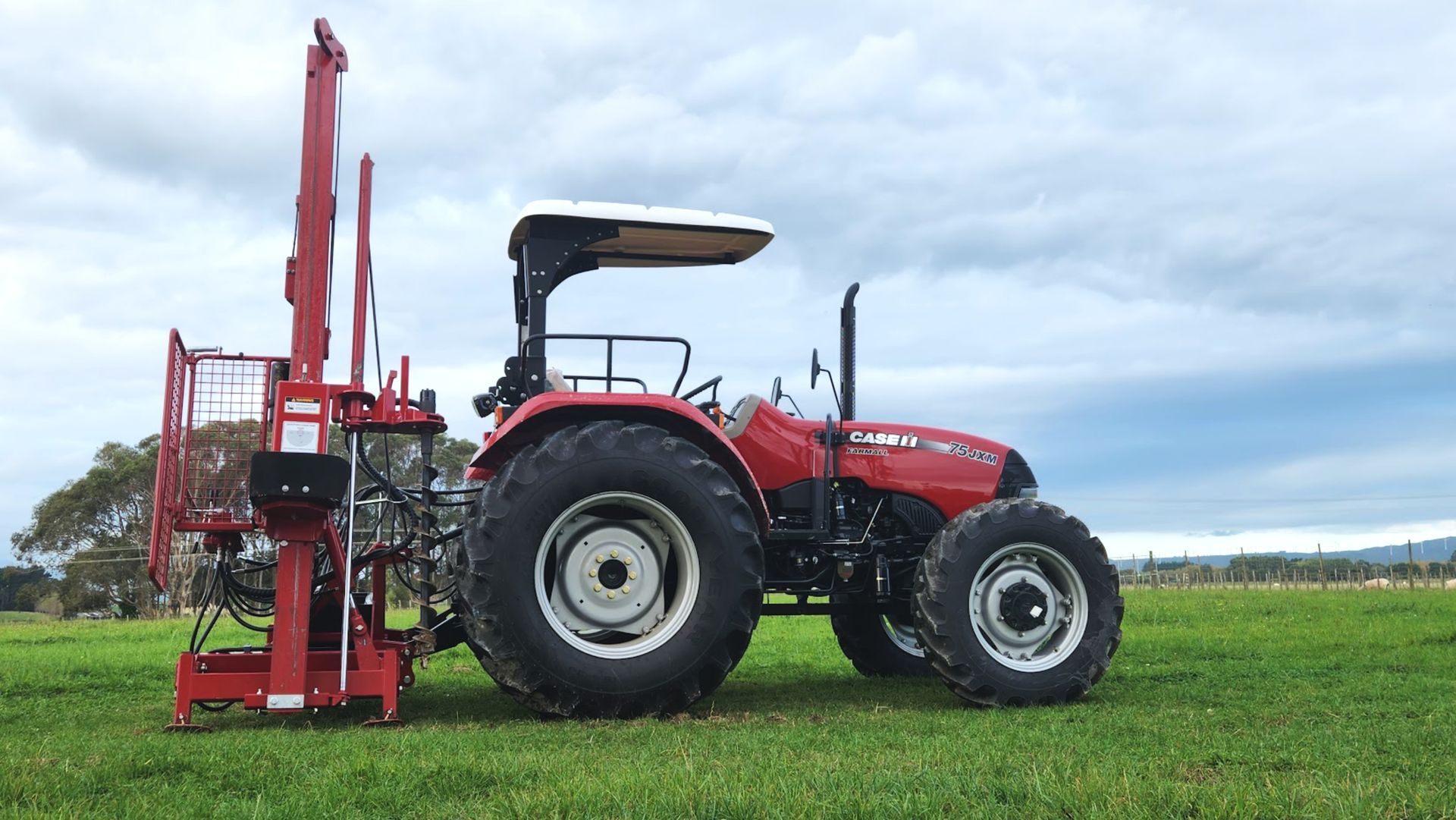
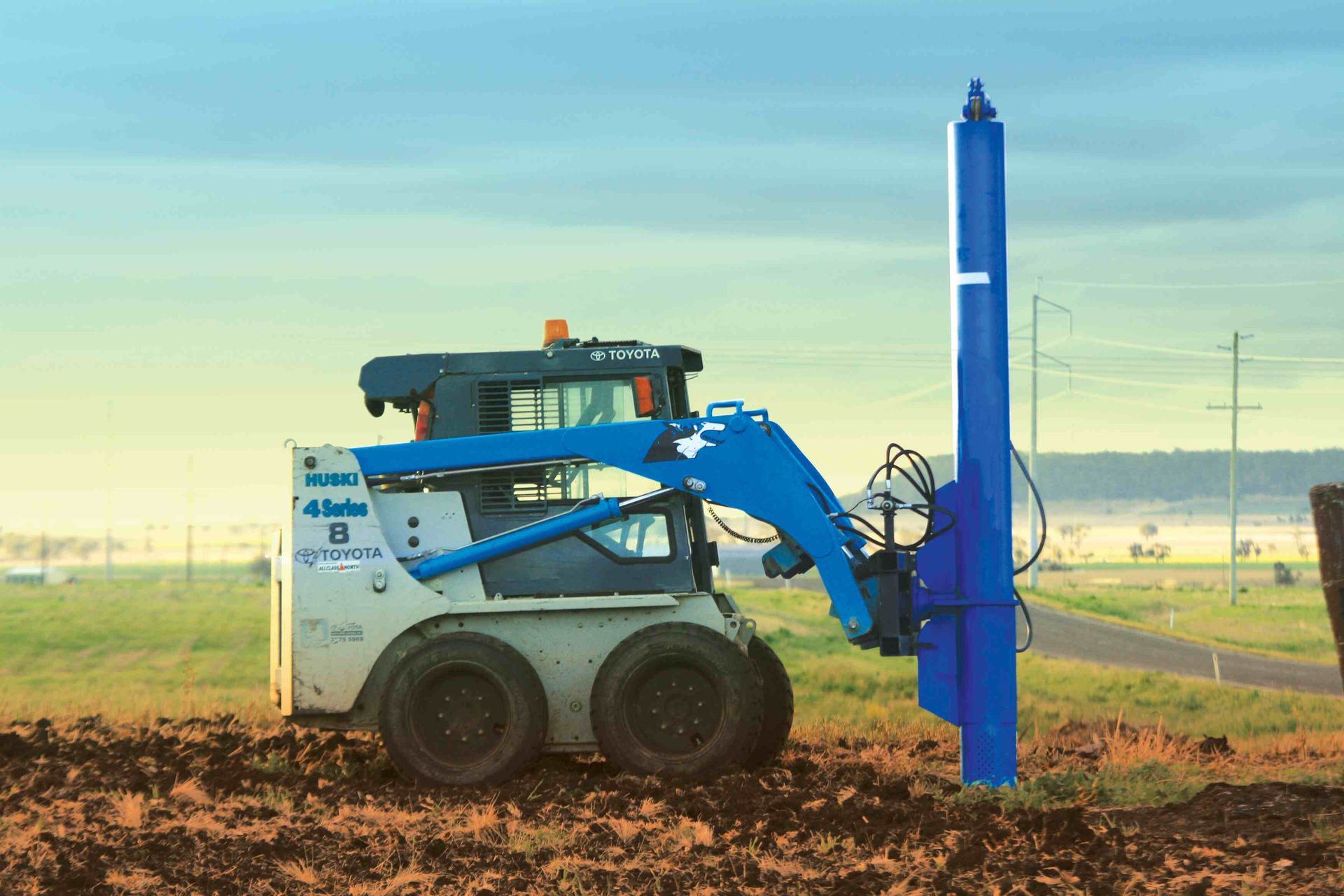
In particularly tough ground conditions, pre-drilling or using a rock spike attachment where available is a better approach than forcing the machine harder than it is designed for. This is true whether you're running a hydraulic post driver on a tractor or a percussion model on a skid steer.
Matching the machine to the conditions protects both the equipment and the results it produces.
Consistent Habits Are What Keep the Machine Ready
A daily check before work starts. Greasing every morning. Cleaning at the end of each run. Wear parts replaced before they fail. Proper storage between jobs.
None of it is difficult. It just has to happen every time, not most of the time.
The time spent on these habits is always less than the time lost to a breakdown mid job.
If you're looking at post drivers for sale or need parts and maintenance advice on any machine in the range, reach out to QuikFence.
The Post by QuikFence