Introduction to Skid Steer Post Drivers: What They Are and How They Work
This is a subtitle for your new post
Fencing work is an efficient rural need that needs to be done to secure livestock or crops from predators. Modern agricultural fencing machinery is leading the way with versatility and efficiency as their selling point. Every fencing contractor needs a skid steer post driver in their inventory. Any task requiring the driving of posts into the ground could be done efficiently by a top-performing post driver, which saves your time and effort. Let’s introduce you to post driver for a skid steer, and talk about their benefits, mechanisms, and maintenance.
What is a Skid Steer Post Driver?
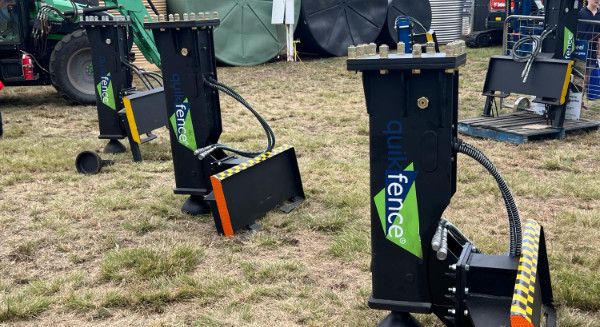
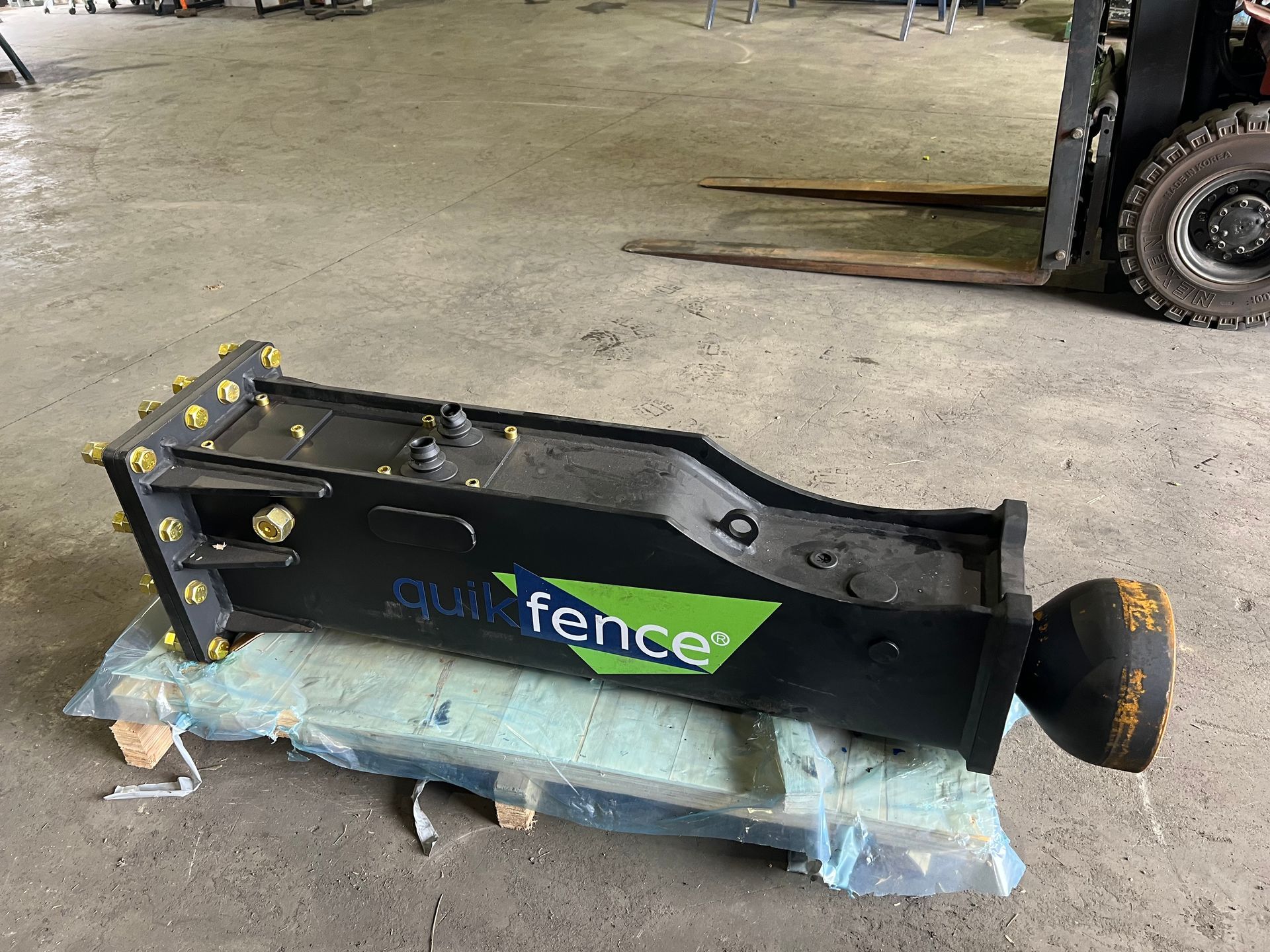
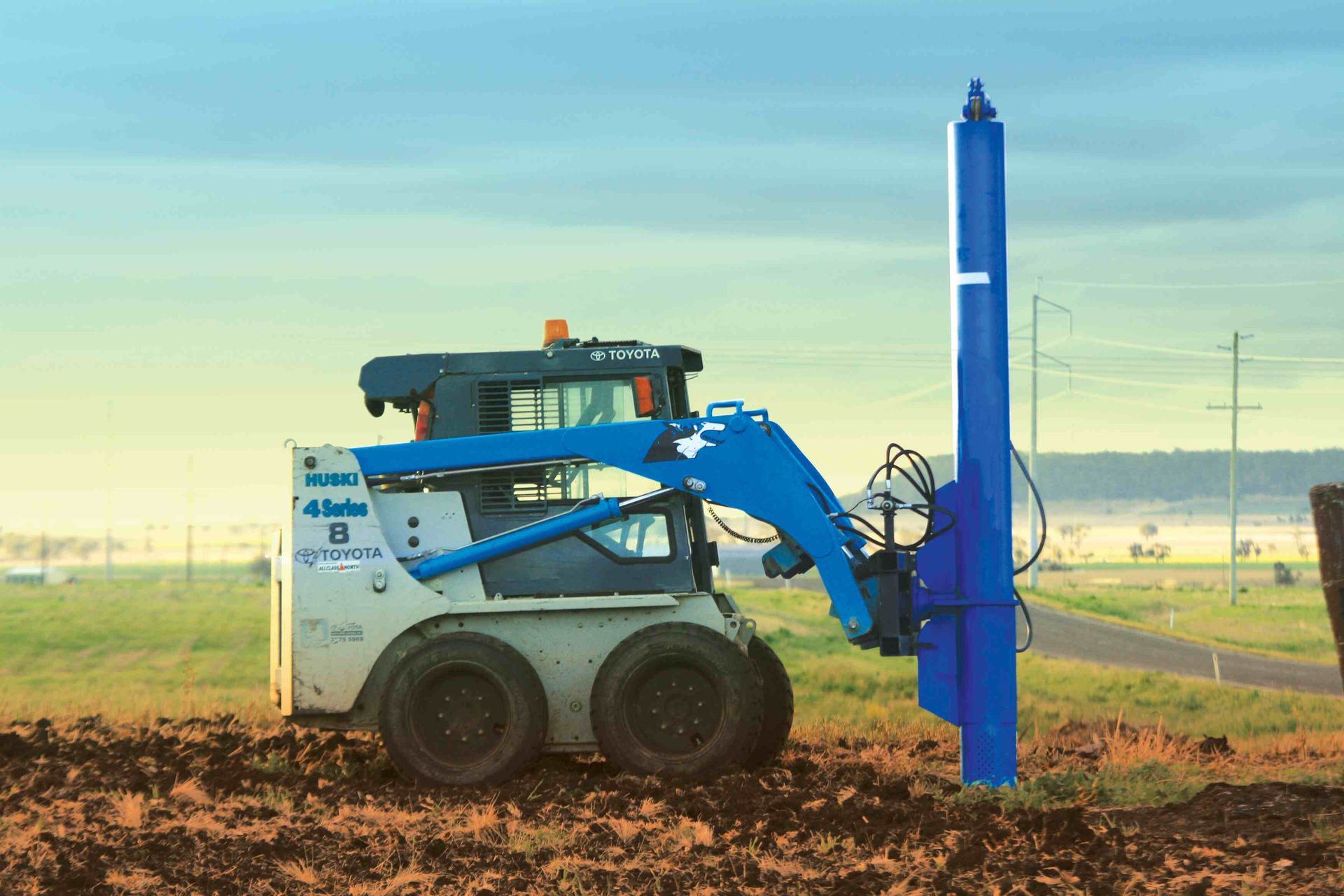
The hydraulic post-driving set-up attached to a tractor or loader is what we call a Skid Steer Post Driver. The powerful excavating or loading machine can be transformed into a post-pounding machine by this attachment. Enabling it to drive posts of different sizes and materials into the ground with precision and speed.
Benefits of Using a Skid Steer Post Driver
Skid steers offer several benefits that make them a preferred choice for post-driving tasks:
- Efficiency and Time Savings
- Precision and Control
- Versatility
- Safety
- Cost-Effectiveness
Employing a skid steer post driver altogether diminishes the time and exertion required to drive posts compared to doing it manually. This effectiveness allows the operator to finish their projects on time and with precision. Hydraulic-powered post drivers give control over the depth and arrangement of the posts, guaranteeing consistent results. Post puncher attachments can drive different sorts and sizes of posts, from wooden fence posts to metal, making a post driver for a skid steer versatile for distinctive applications. The equipment operator can stay safe in the cab while operating, this decreases the hazard of harm from manual post-driving or utilising less controlled strategies. While the initial investment may be too much, the time saved and productivity shows long-term cost savings.
How Does a Skid Steer Post Driver Work?
A skid steer operates using the hydraulic system of the skid steer loader. Here’s a step-by-step explanation of how it works:
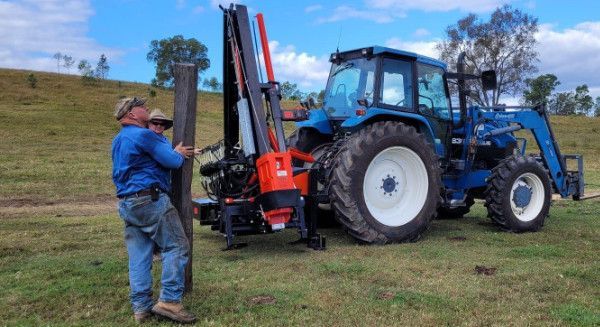
Attachment to the Skid Steer: The driving set-up is attached to the front of heavy machinery like a tractor, excavator, or skid steer loader. The mounting system allows for easy attachment and detachment of the post driver.
Hydraulic Connection: Once the post driver is securely attached, the hydraulic hoses from the skid steer are connected to the post driver. These hoses supply the hydraulic power needed to operate the driver.
Positioning the Post: The operator uses the skid steer’s controls to position the post driver above the location where the post is to be driven. Most skid steers have a guide or sleeve that helps to keep the post in position during driving.
Driving the Post: The hydraulic system powers a hammer or driver mechanism that repeatedly strikes the top of the post, driving it into the ground. The force and speed can be adjusted to match the type of post and ground conditions.
Choosing the Right Post Driver for a Skid Steer
When selecting a post driver for a skid steer, consider the following factors:
Hydraulic Compatibility: Ensure that the post driver matches the hydraulic specifications of your skid steer loader. Check the required flow rate and pressure.
Post Size and Material: Determine the types and sizes of posts you will be driving. Choose a post driver that can accommodate the materials and dimensions needed for your projects.
Soil Conditions: Consider the soil types and conditions where you will be working. Some post drivers are better suited for rocky or compacted soils than others.
Brand Reputation: Invest in a reputable brand known for durable construction and reliable performance. Quality post drivers are more likely to withstand demanding use and provide long-term service.
Maintenance and Care
To ensure optimal performance and longevity of your post driver for a skid steer, follow these maintenance tips:
Regular Inspections: Before and after each use, inspect the attachment for any signs of wear or damage. Pay attention to hydraulic hoses, connections, and moving parts.
Lubrication: Keep all moving components well-lubricated according to manufacturer recommendations to reduce friction and prevent premature wear.
Hydraulic System: Monitor hydraulic fluid levels and quality. Replace or filter hydraulic fluid as recommended by the manufacturer to maintain optimal performance.
Storage: Store the post puncher in a clean, dry environment when not in use. Protect it from exposure to weather elements and potential damage.
Some of the Post Drivers Supplied by QuikFence
- FencePro: FencePro post drivers represent cutting-edge design and functionality, continually refined through extensive research and development in New Zealand. These drivers are known for their durability, efficiency, and versatility. FencePro models are designed to be used with both tractors and excavators that can be easily attached to one vehicle and then changed quickly to another due to the simplicity of their design. No matter how small or huge, operators just want to get the fencing work done quickly. FencePro can provide customers with different types of designs for varied requirements. The option of lockable toolboxes for added convenience and security is available.
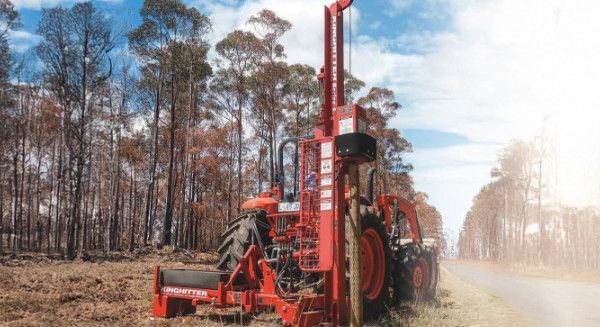
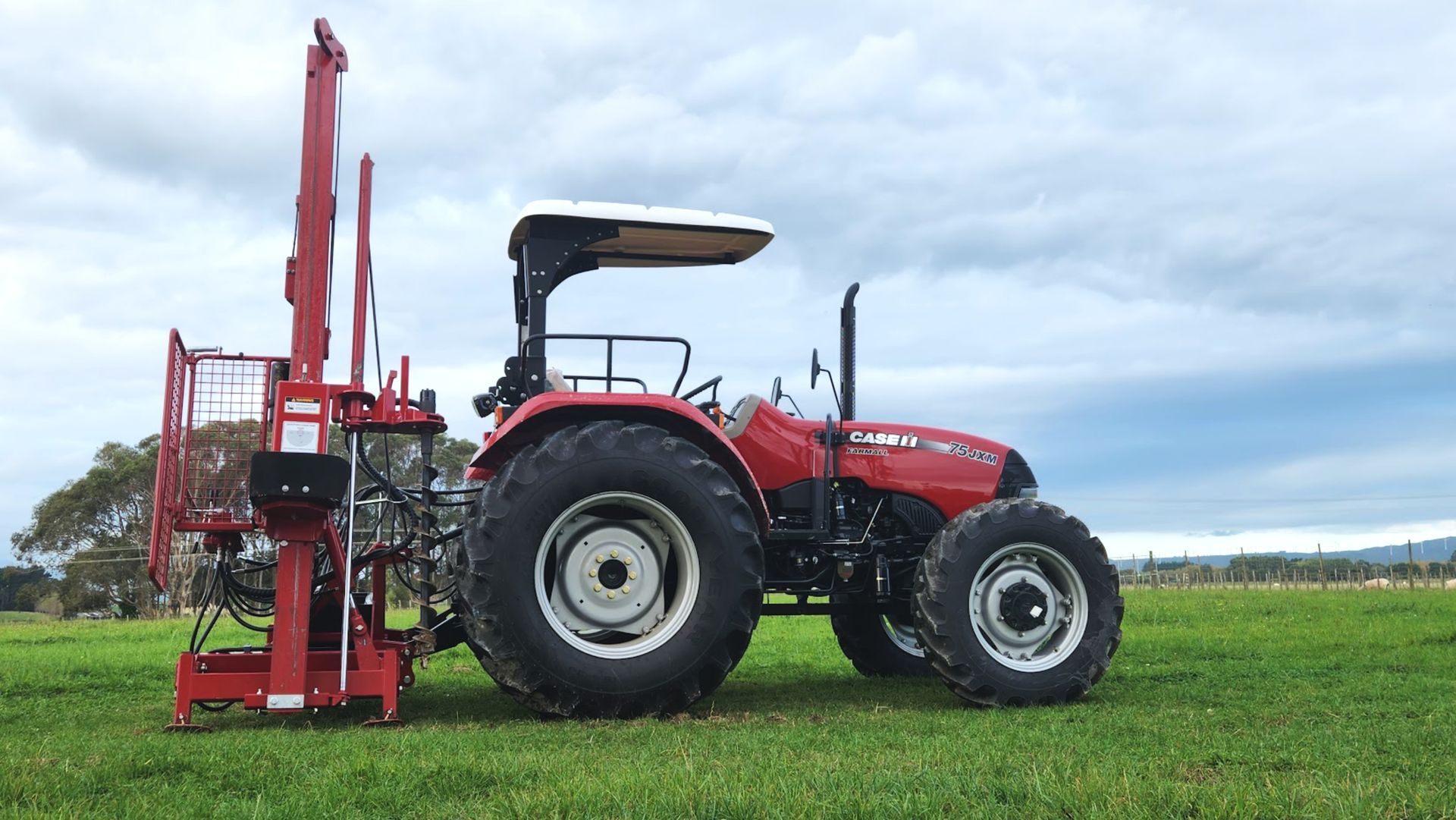
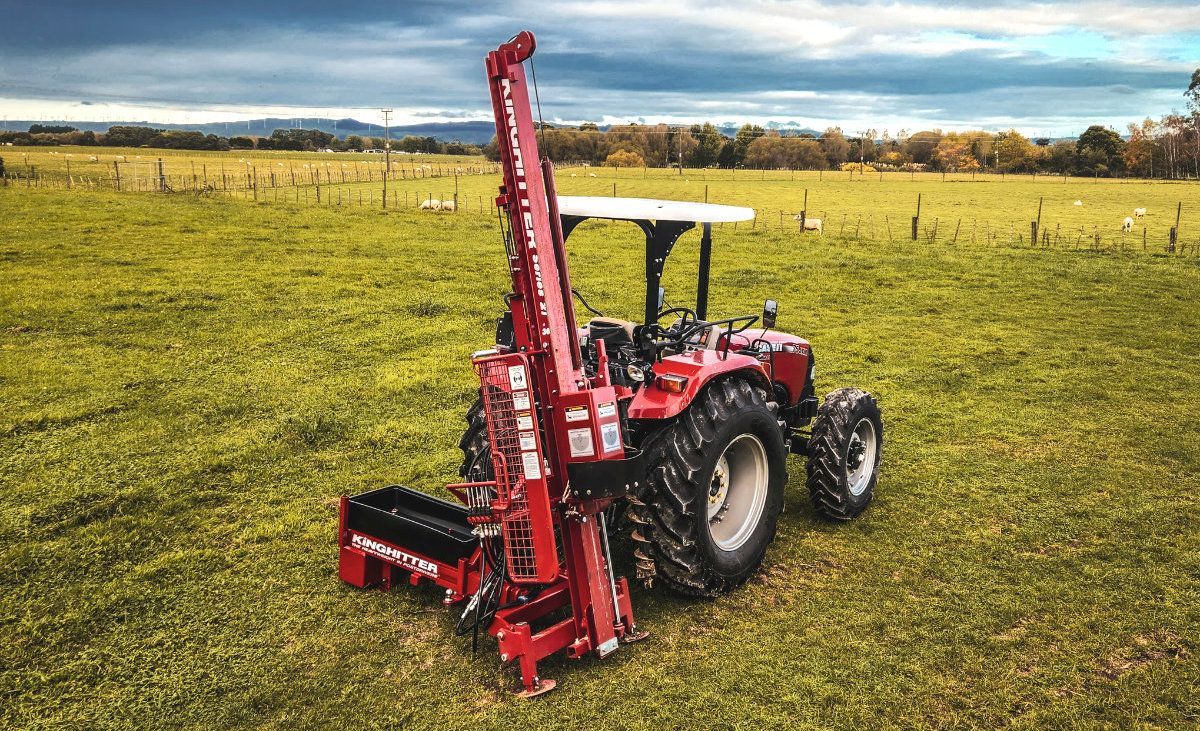
- KingHitter: QuikFence takes pride in the advanced technology of the KingHitter post driver, setting new standards in fencing solutions. The KingHitter, synonymous with reliability and efficiency, is a cornerstone of modern fencing toolkits. Built on the legacy of Fairbrother KingHitter, these post drivers ensure precise and secure post placement, crucial for sturdy fencing installations. With a robust safety package, KingHitter post drivers prioritise operator protection without compromising on power or efficiency. Ideal for professionals who demand superior performance, KingHitter delivers exceptional results that exceed expectations.
- PostPuncher: The PostPuncher post driver addresses safety concerns with its innovative design, ensuring operators can work confidently at all skill levels. Mounted at the front of operating vehicles, the PostPuncher features an inbuilt guard system that enhances safety during operation. Unlike traditional rear-mounted post drivers, PostPuncher offers a safer alternative, suitable for a variety of vehicles including skid steers, small tractors, and excavators. This versatile hydraulic post driver combines speed and safety, making it ideal for farmers, fencing contractors, and builders alike. Whether driving posts or steel pickets, the PostPuncher provides enhanced power and operational ease, improving efficiency on every project.
Maximising Efficiency with Skid Steer Post Drivers
In different agricultural, construction, and landscaping activities, skid steer post drivers are very useful equipment for driving posts into the ground quickly and smoothly. By learning what makes these attachments work, what they do, will help select the best machine, whether it’s for a rural, home improvement or commercial project. A suitable skid steer post driver, when maintained properly, can enhance the productivity of rural fencing needs, ensuring safety, and achieving the desired arrangement for precise fencing projects. Contact your rural fencing expert, QuikFence, to get your hands on one of the top-performing post drivers for a skid steer.
The Post by QuikFence