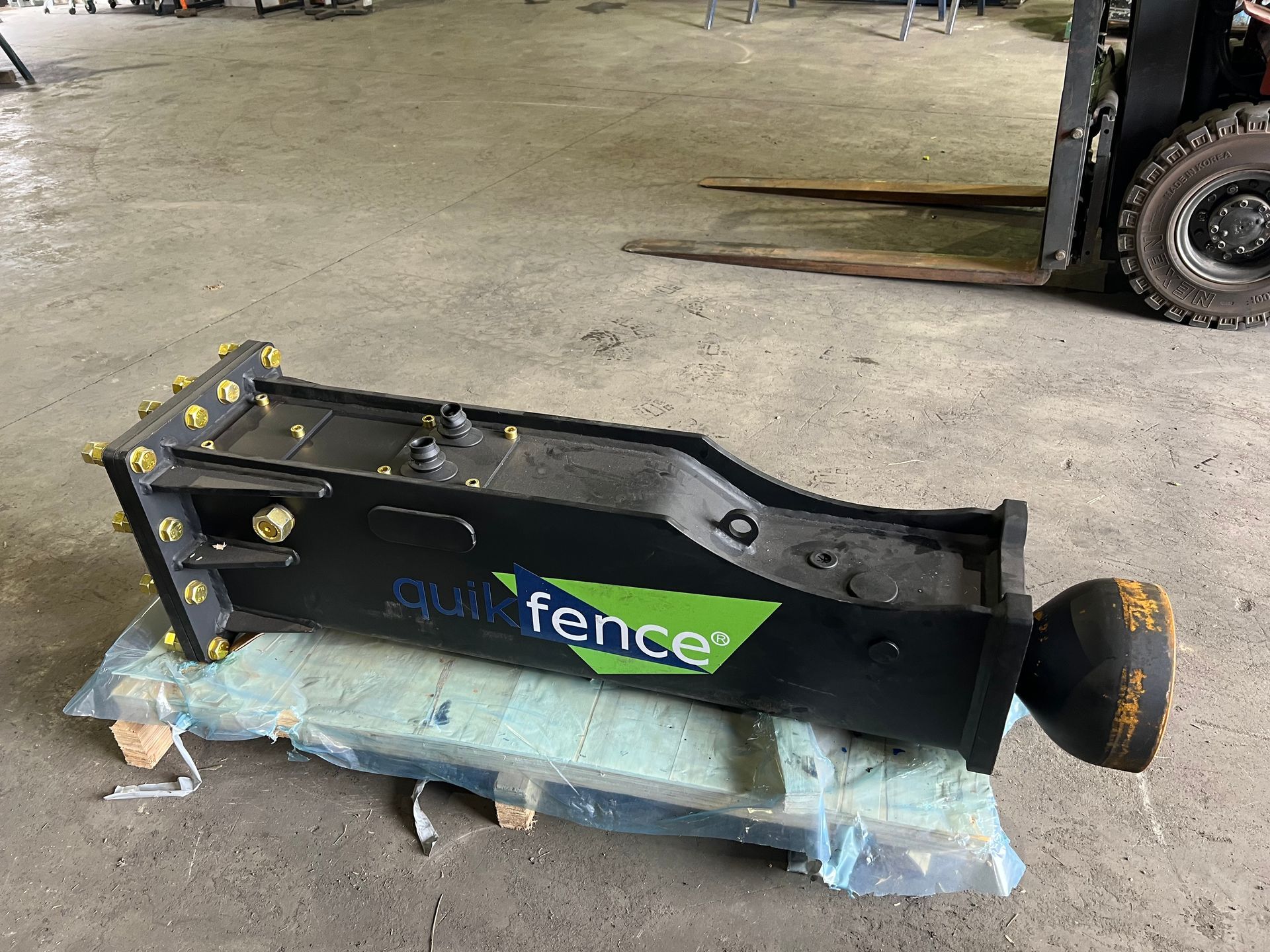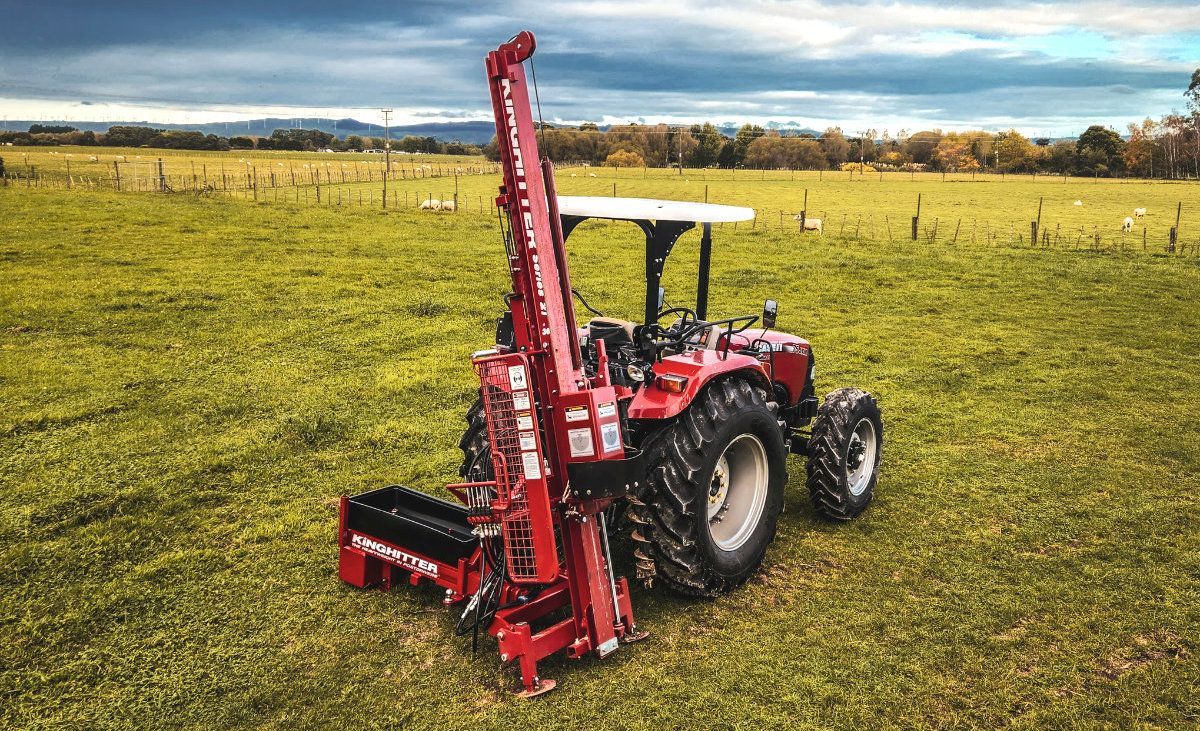
How to Maintain Your KingHitter Post Driver for Long-Term Use?

This is a subtitle for your new post
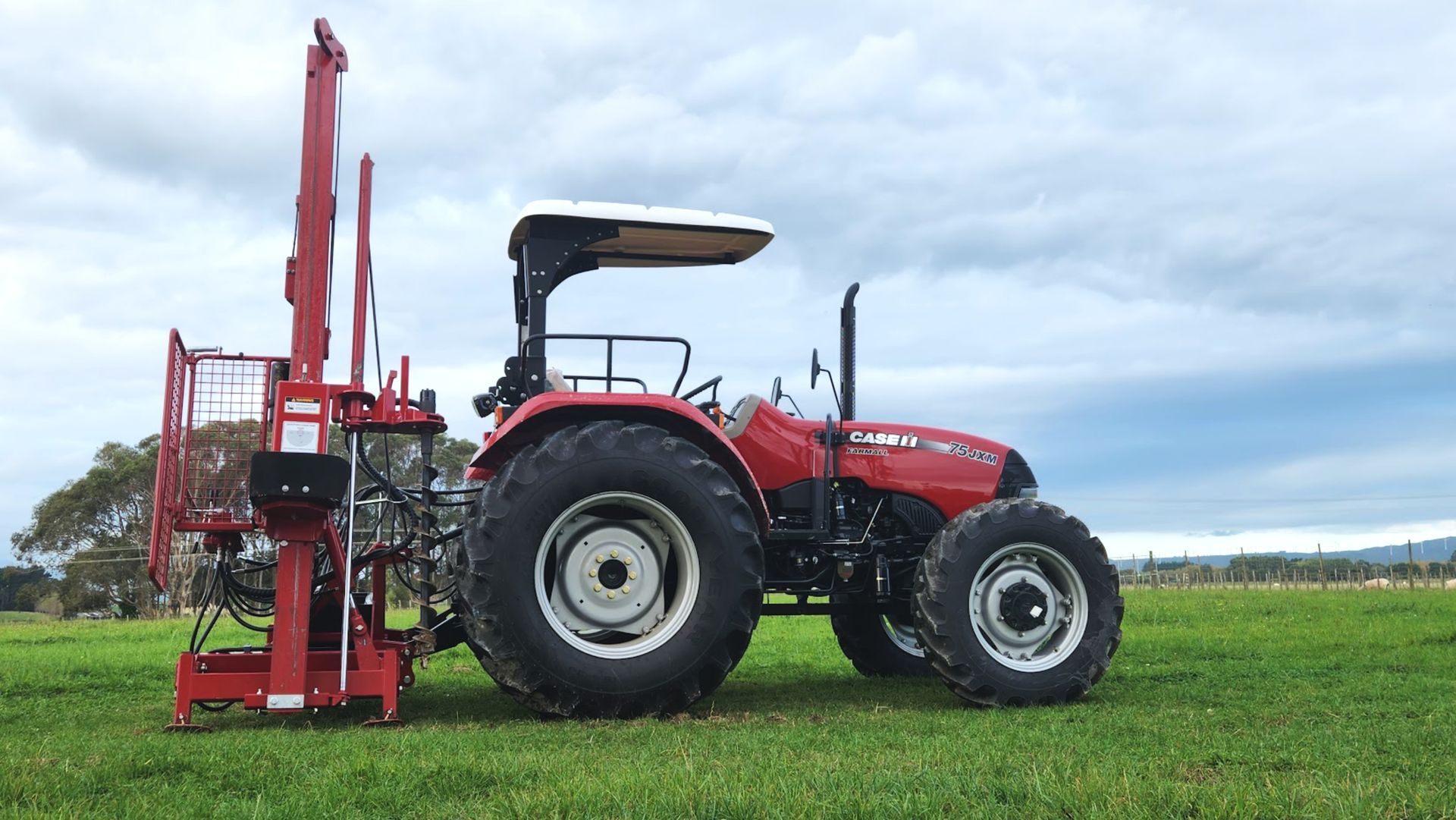
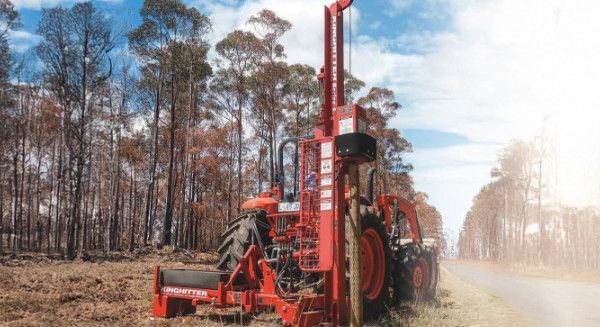
In 2026, the way we manage Australian farm infrastructure has become more about precision and less about brute force. You don’t invest in a KingHitter post driver for steel; you're buying it for the decades of hard work it's already mastered. However, as any experienced farmer will tell you, even the toughest gear in the paddock requires a disciplined maintenance routine to stay at peak performance. 


At QuikFence, we pride ourselves on the longevity of the equipment we supply, but that longevity is a two-way street between the manufacturer and the owner. 


The Heart of the Machine: Hydraulic System Integrity 


Whether you call it a KingHitter post rammer or a KingHitter post pounder, this machine is a high-performance hydraulic tool. It deals with extreme impact forces and heavy vibration. It’s responsible for the lifting power and the controlled release that makes these machines so effective in hard Australian soils. To keep this system running smoothly, you need to be proactive about fluid health and hose condition. 


Contamination is the number one enemy of hydraulics. Even microscopic amounts of foreign particles can reduce the impact pressure. The most common creepers are dust, grit, and water. To keep this from happening, the couplings should be wiped clean when you are connecting and disconnecting the unit from the tractor.


Managing Vibration and Fasteners 


By its very nature, a KingHitter post rammer creates massive amounts of vibration. Over hundreds of posts, that vibration acts like a slow-motion wrench, trying to loosen every bolt on the frame. Part of your weekly maintenance should include a spanner check of the entire unit.


Pay attention to unusual moving parts in mounting brackets and base assembly. A loose bolt can alter how your workday goes. 


The Role of Lubrication in Harsh Environments 


Australian fencing conditions are usually a mix of heat, dust, and grit, which is the perfect recipe for grinding down moving parts. Lubrication on a KingHitter post driver is about more than just making things move; it’s about creating a barrier against the elements. 


Every grease point on the machine serves a specific purpose. Focus on the pivot points and the sliding surfaces where metal-on-metal contact is most frequent. We recommend greasing these points at the start of every working day. If you are working in particularly sandy or dusty conditions, you might even consider a mid-day grease. 


It is important to remember that a KingHitter post pounder uses specialised bushings and bearings designed for high-impact loads. Using the wrong grease type can also be as harmful as not using it at all. Stick to the products that the manufacturer recommends. 


Cleaning and Corrosion Control 


After completing the job, it’s tempting to just unhitch the post rammer and walk away. But you have to look back. If you allow mud and other organic matter to sit on galvanised or painted surfaces, it can rust very easily.


A quick wash-down with a pressure cleaner will go a long way. This also gives you the perfect opportunity to inspect the frame for any hairline cracks or stress marks. Catching a minor issue during a clean-up is much better than discovering a major break when you’re five kilometres out in a back paddock. 


Seasonal Storage for Long-Term Value 


How you store your machinery when you don’t need it decides a lot about how well it will perform when you do need it next season. To store your KingHitter post driver, move it to a dry shed, away from direct sunlight, damp soil, and flying dirt. 


When trying to store it outdoors, it is best that you apply a thin coat of rust-preventive spray over the exposed parts and unpainted surfaces. 


An Investment Worth Protecting 


A KingHitter post driver is a legacy piece of fencing equipment. By staying on top of these hydraulic, lubrication, and structural checks, you ensure that your KingHitter post pounder remains the most reliable asset on your property.


At QuikFence, we are committed to helping Australian farmers get the most out of their gear. If you treat your KingHitter with the respect its engineering deserves, it will continue to drive posts straight and true for decades to come.


The Post by QuikFence
by Jon Earl • 1 October 2026
Buying a hydraulic fence post driver? Learn the 7 key factors to check, including carrier compatibility, hammer weight, ground conditions, safety and build quality.
by Jon Earl • 24 September 2026
Compare the top fencing machines for farmers and contractors, from wire netting carriers to post drivers. Find the right fit for your terrain and job.
by Jon Earl • 11 September 2026
Learn how to rebuild flood-damaged farm fencing safely, from assessing damage and salvaging materials to choosing the right equipment and rebuilding for future floods.
by Jon Earl • 4 September 2026
Time lost on a fencing job rarely comes back. The season opens, the ground is workable, and there's a long run to get through before conditions change. Most people underestimate how much the choice of equipment shapes how that run actually goes. The gap between manual post driving and a post driver for a skid steer is bigger than most expect before they've experienced both side by side. The Reality of Manual Post Driving Manual post driving works. But working and working efficiently across a full day are two different things. Every post requires the operator to position equipment by hand, strike repeatedly, check alignment, correct if needed, and move on. On a short job with easy ground, that's manageable. Once the run stretches out, it becomes the thing that eats the day. Depth varies from post to post. Alignment drifts. The operator tires and small errors start creeping in before anyone notices. A job that looked achievable in the morning starts pushing into the next day. That's not a failure of effort. It's the natural limit of what manual methods can sustain across a serious fencing run. What Changes When a Skid Steer Gets Involved The operator stays in the cab throughout. The machine repositions between posts without anyone climbing off or dragging equipment into position by hand. The fence post driver handles the impact. The operator handles placement. That shift alone changes the pace of the whole job. The bigger change is consistency. Controlled hydraulic force delivers the same result post after post. Depth stays uniform. Alignment stays cleaner across the run. The small corrections that cost manual operators minutes at a time stop being a constant part of the day. ere the Time Actually Goes Faster driving is the obvious saving. A skid steer post driver gets through a post in a fraction of the time manual methods take. Across hundreds of posts, that adds up to hours, not minutes. Fewer corrections is the next one. Posts that go in consistently straight don't need adjusting. A fence line built with uniform depth and clean alignment doesn't need rework once the wire is up. Less fatigue is the saving that doesn't get counted but matters most. The physical load stays on the machine rather than the operator. The pace that starts the morning holds through the afternoon in a way that manual driving simply can't match once the day gets long. Hard Ground Is Where the Gap Really Opens Up On easy ground, manual post driving is slow. On hard ground it becomes genuinely difficult to sustain Compacted clay, rocky sections, ground baked dry across an Australian summer. These are the conditions where manual methods lose hours that don't come back. Progress slows, and the results get inconsistent just when the job needs them most. A post driver handles those changes without the operator having to compensate manually. The hydraulic system responds to resistance and the job keeps moving. In particularly tough or difficult to access sections, the PostPuncher can work on slopes, over ditches, and into spots where manual driving simply isn't a realistic option. Access Is Part of the Time Equation Too Manual driving means carrying or dragging equipment to each post location. A fence post driver on a skid steer moves with the machine. Tight corners, steep creek banks, narrow sections near yards and sheds. A skid steer gets into those spots without the setup that larger machinery requires. Less time getting to the post means more time actually driving it. What the Difference Looks Like Across a Season On a single job, the time saving is noticeable. Across a full season of fencing work, it becomes significant. Faster installation. Fewer corrections. Less fatigue dragging down the second half of the day. Better access across sections of the property that used to cause delays. All of it adds up across every run the season brings. For anyone still relying on manual methods for regular fencing work, the question isn't whether a skid steer post driver saves time. It's how much time has already been lost without one. QuikFence supplies a range of post drivers suited to skid steers and Australian conditions, including the PostPuncher, FencePro, and ThunderPro. Get in touch with our team to know which machine suits your work.
by Jon Earl • 17 August 2026
Discover 7 signs it's time to upgrade your post driver, from slow jobs and operator fatigue to hard ground, safety concerns and costly downtime.
by Jon Earl • 7 August 2026
Comparing the KingHitter and Bryce Suma post rammers? See how each hydraulic post driver performs so you can choose the right fit for your fencing needs.
Steer Post Driver
by Jon Earl • 31 July 2026
Learn how a skid steer post driver reduces operator fatigue, improves fence quality, and speeds up post installation across Australian farms.
 Skid Steer Post Driver
by Jon Earl • 24 July 2026
Choosing a skid steer post driver? Compare hydraulic, percussion & front-mounted options from QuikFence to match your ground, machine & posts.
Post drivers for sale
by Jon Earl • 16 July 2026
Keep your post driver in top condition with practical maintenance tips to extend equipment life, improve performance and reduce downtime.
by Jon Earl • 6 July 2026
Learn how the KingHitter post driver outperforms traditional post rammers with improved safety, consistent performance, and greater efficiency.
More posts