Essential Safety Measures for Operating a Post Driver
Post Driver

Operating a post driver might seem easier than strictly following its instructions and safety measures, but it is a special requirement to avoid accidents and injuries. This blog post discusses key safety measures for using a post driver. The importance of safety measures while setting posts cannot be overlooked, as they will not only save you time but also prevent any unfortunate set of events.


Understanding the Equipment

Before learning the safety measures, it’s equally important to understand the different types of post drivers present in the market and their functioning:

  • Manual Fence Post Drivers: These are hand-operated tools, often resembling a heavy pipe with handles. They are lifted and dropped onto the post to drive it into the ground.
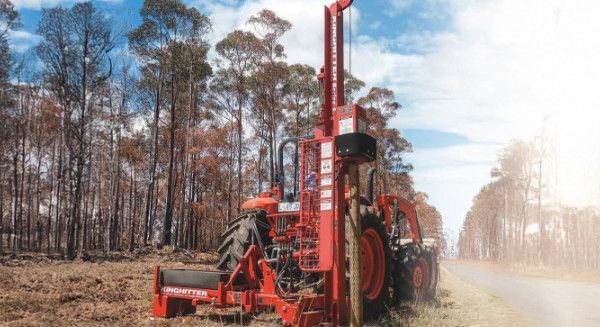
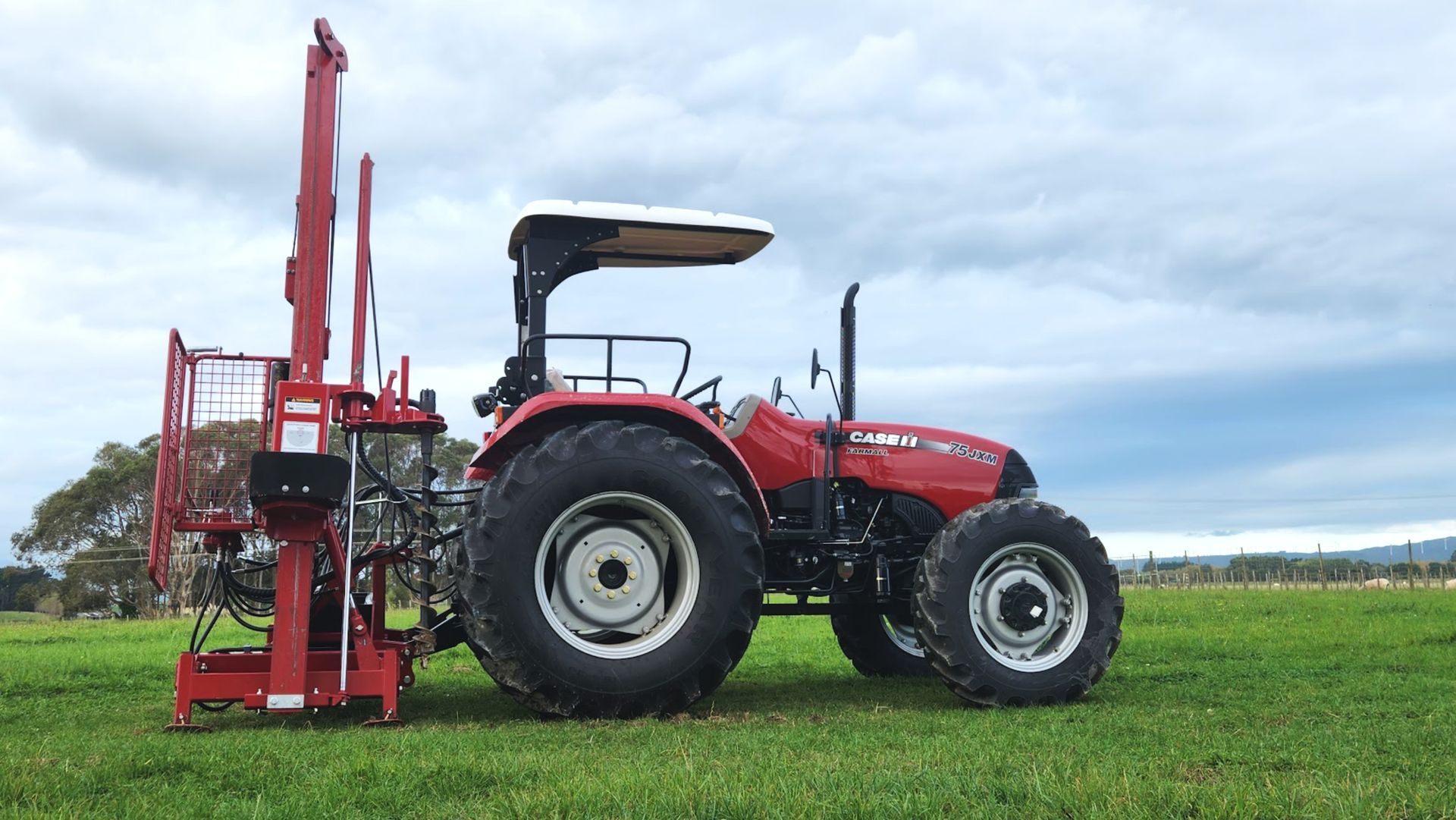
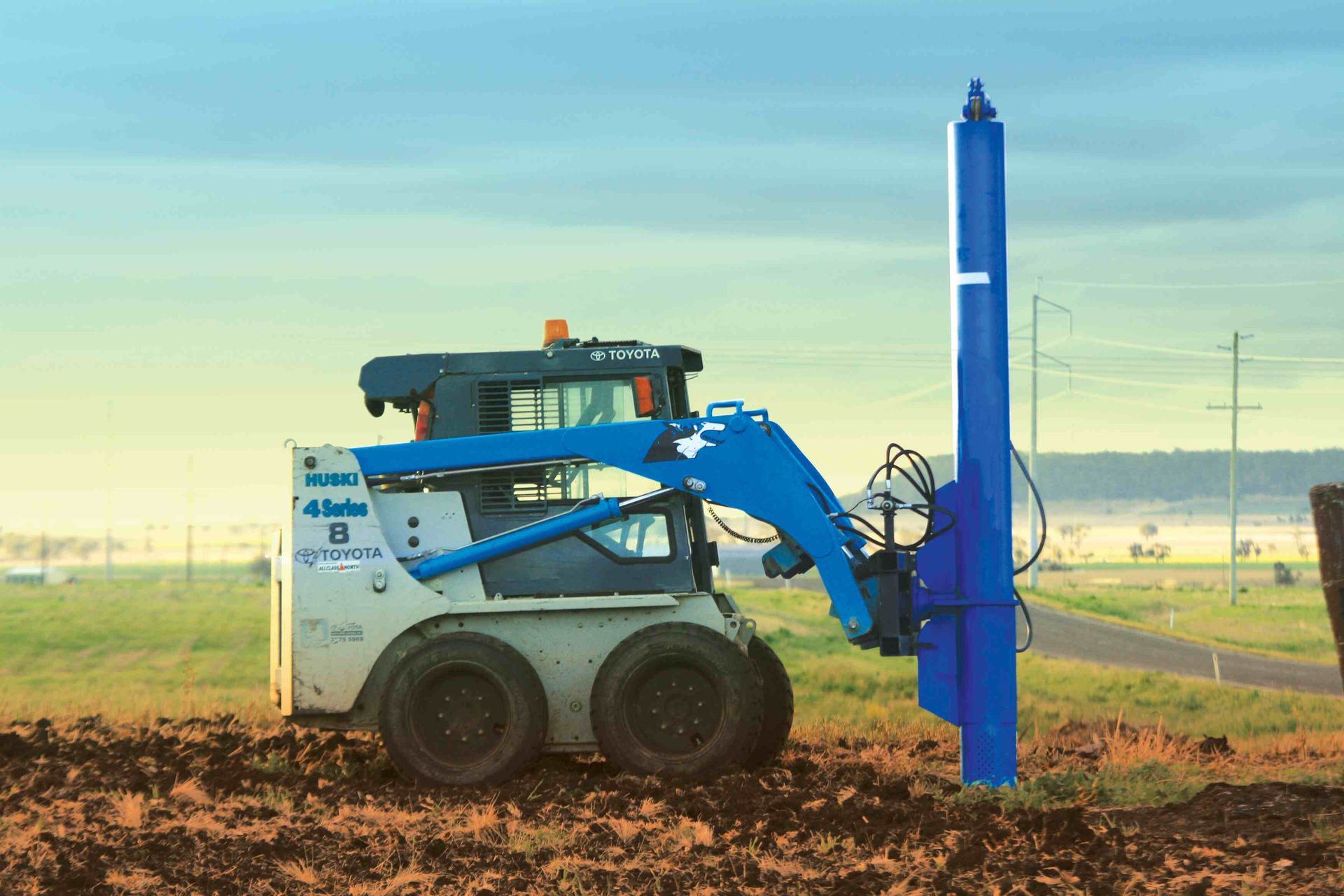
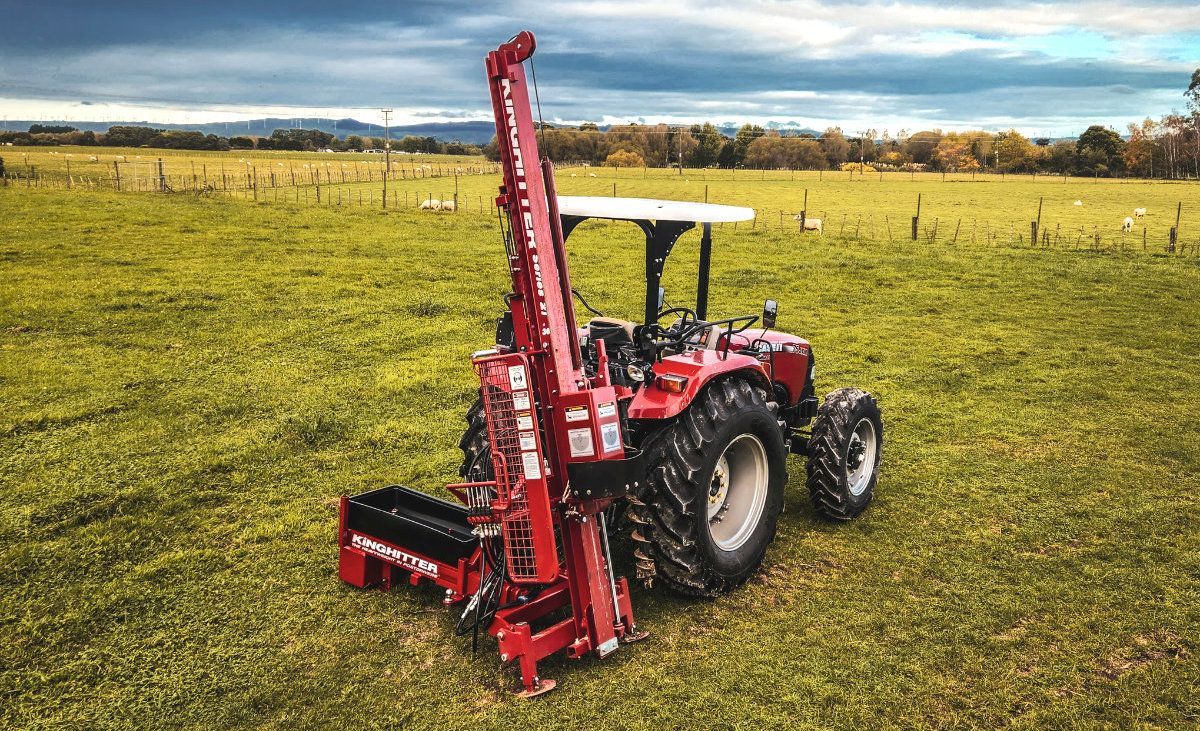
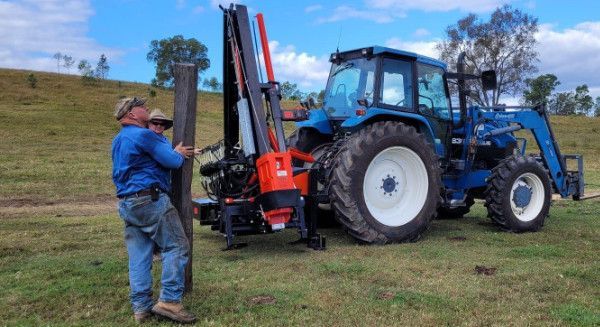
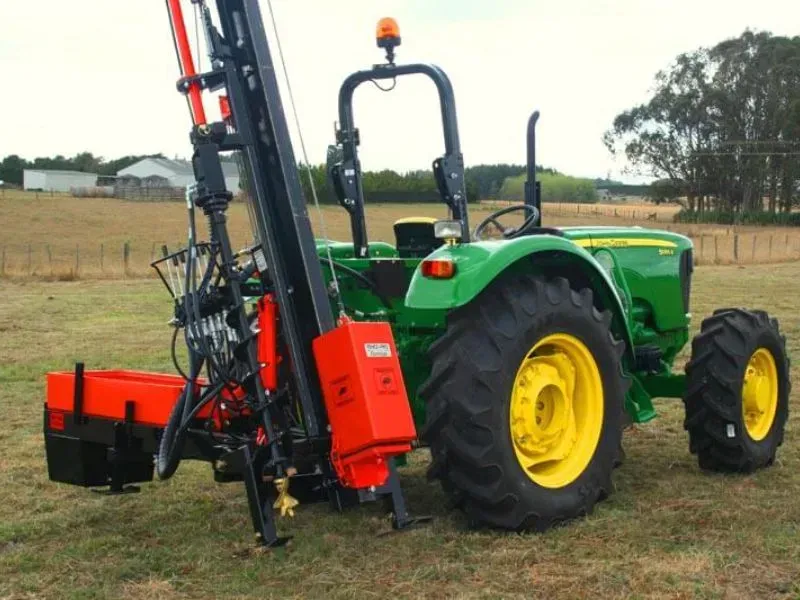
  • Hydraulic Fence Post Drivers: They use hydraulic pressure to drive posts into the ground. Such equipment is typically mounted on tractors or skid-steer loaders.
  • Gas-Powered Post Drivers: Such post drivers are portable and use gasoline engines to provide the necessary force to drive posts.


Each type has specific operational protocols, but most equipment safety measures are universally applicable.


Personal Protective Equipment (PPE)

The first line of defence when operating any machinery is appropriate Personal Protective Equipment (PPE). For post drivers, the essential PPE includes:

  • Safety Glasses or Goggles
  • Ear Protection
  • Hard Hat
  • Gloves
  • Steel-Toed Boots
  • High-Visibility Clothing


Pre-Operation Checks

Before using a post driver, conduct thorough pre-operation checks to make sure the equipment is in good working condition:

  • Inspection of the equipment involves evaluating whether there is any physical damage or wear as well as tear on them; this includes checking if there are cracks in them, rust patches, etc.
  • In cases of hydraulic systems as well as those powered by petrol or diesel engines, one must make sure that these oils come in adequate quantity.
  • Confirm that all attachments and add-ons are appropriately fastened and in good order.
  • Check that all controls are functioning effectively in order to test smoothness.


Site Preparation

Preparing the site is as important as preparing the equipment. A well-prepared site has fewer risk factors and promotes efficiency:

  • Clear the site of any debris, rocks, or obstacles.
  • Mark utility lines to stay aware of any underground utilities. 
  • Contact local authorities to mark these lines if necessary.
  • Designate safe zone areas for operators and bystanders


Safe Operation Techniques

When operating a post driver, adhering to proper techniques is vital for safety:

  • Maintain a Stable Stance: You should position yourself in a stable, balanced stance to prevent falling or losing equipment control.
  • Use Both Hands: Operate the post driver using both hands to maintain control and prevent accidental drops.
  • Align the Post Correctly: Make sure the post is straight and correctly aligned with the driver to prevent it from shooting out or bending.
  • Avoid Overreach: Keep the post driver close to your body to maintain control and reduce strain.
  • Communicate Clearly: Use clear hand signals or verbal commands to communicate with any team members assisting you.


Handling Different Types of Post Drivers

Each type of post driver has unique operational characteristics and safety concerns:

  1. Manual Post Drivers:
  • Perform operations in smooth motion to have proper control over the machinery
  • Lift with your legs, not your back, to prevent strain.


   2. Hydraulic Fence Post Drivers:

  • Keep in check that all hydraulic connections are secure and there are no signs of leakage.
  • Never place your hands near moving parts or pinch points.


   3. Gas-Powered Post Drivers:

  • Start the engine where proper ventilation is present to avoid inhaling fumes.
  • Be cautious of hot surfaces and moving parts.


Emergency Procedures

Despite the high level of precaution, emergencies can still take place. Knowing how to respond to these situations can prevent minor incidents from becoming major accidents:

  • Stop the Equipment: In case of malfunction or emergency, immediately stop the post driver.
  • Disconnect the Power: In gas-powered and hydraulic fence post drivers, you should disconnect the power source to prevent it from restarting itself accidentally.
  • Have First Aid Ready: Have a well-stocked first aid kit readily available, and train your team members in basic first aid procedures for their well-being.
  • Emergency Contacts: Keep a list of emergency contacts and local medical facilities easily accessible.


Maintenance and Storage

Proper maintenance and storage of your post driver can prevent many safety issues including:

  • Maintenance: Follow the manufacturer's maintenance schedule for oil changes, part replacements, and general upkeep.
  • Clean After Use: Remove any dirt, debris, or corrosive substances after each use to prolong the life of the equipment.
  • Proper Storage: Store the post driver in a dry, secure place, away from harmful elements and potential hazards.


Training and Awareness

Finally, comprehensive training and continuous awareness are key to safe post driver operation:

  • Training Programmes: Participate in training programmes provided by manufacturers or organisations.
  • Stay Updated: Be knowledgeable about the most recent safety standards concerning equipment innovation.
  • Regular Safety Meetings: Conduct regular safety meetings to go over procedures and deal with any worries or experiences.


Be Safe on Site

A post driver operator should be familiar with the safety considerations involved with heavy machinery. Be prepared for emergencies with a significant understanding of the equipment and wearing protective gear. A contractor or machine operator needs to prioritise training and awareness for a safe and efficient operation all the way. Safety is a continuous process that requires rigorous updates and advancements to ensure the well-being of workers and animals.

The Post by QuikFence

by Jon Earl 11 September 2026
Learn how to rebuild flood-damaged farm fencing safely, from assessing damage and salvaging materials to choosing the right equipment and rebuilding for future floods.
by Jon Earl 4 September 2026
Time lost on a fencing job rarely comes back. The season opens, the ground is workable, and there's a long run to get through before conditions change. Most people underestimate how much the choice of equipment shapes how that run actually goes. The gap between manual post driving and a post driver for a skid steer is bigger than most expect before they've experienced both side by side. The Reality of Manual Post Driving Manual post driving works. But working and working efficiently across a full day are two different things. Every post requires the operator to position equipment by hand, strike repeatedly, check alignment, correct if needed, and move on. On a short job with easy ground, that's manageable. Once the run stretches out, it becomes the thing that eats the day. Depth varies from post to post. Alignment drifts. The operator tires and small errors start creeping in before anyone notices. A job that looked achievable in the morning starts pushing into the next day. That's not a failure of effort. It's the natural limit of what manual methods can sustain across a serious fencing run. What Changes When a Skid Steer Gets Involved The operator stays in the cab throughout. The machine repositions between posts without anyone climbing off or dragging equipment into position by hand. The fence post driver handles the impact. The operator handles placement. That shift alone changes the pace of the whole job. The bigger change is consistency. Controlled hydraulic force delivers the same result post after post. Depth stays uniform. Alignment stays cleaner across the run. The small corrections that cost manual operators minutes at a time stop being a constant part of the day. ere the Time Actually Goes Faster driving is the obvious saving. A skid steer post driver gets through a post in a fraction of the time manual methods take. Across hundreds of posts, that adds up to hours, not minutes. Fewer corrections is the next one. Posts that go in consistently straight don't need adjusting. A fence line built with uniform depth and clean alignment doesn't need rework once the wire is up. Less fatigue is the saving that doesn't get counted but matters most. The physical load stays on the machine rather than the operator. The pace that starts the morning holds through the afternoon in a way that manual driving simply can't match once the day gets long. Hard Ground Is Where the Gap Really Opens Up On easy ground, manual post driving is slow. On hard ground it becomes genuinely difficult to sustain Compacted clay, rocky sections, ground baked dry across an Australian summer. These are the conditions where manual methods lose hours that don't come back. Progress slows, and the results get inconsistent just when the job needs them most. A post driver handles those changes without the operator having to compensate manually. The hydraulic system responds to resistance and the job keeps moving. In particularly tough or difficult to access sections, the PostPuncher can work on slopes, over ditches, and into spots where manual driving simply isn't a realistic option. Access Is Part of the Time Equation Too Manual driving means carrying or dragging equipment to each post location. A fence post driver on a skid steer moves with the machine. Tight corners, steep creek banks, narrow sections near yards and sheds. A skid steer gets into those spots without the setup that larger machinery requires. Less time getting to the post means more time actually driving it. What the Difference Looks Like Across a Season On a single job, the time saving is noticeable. Across a full season of fencing work, it becomes significant. Faster installation. Fewer corrections. Less fatigue dragging down the second half of the day. Better access across sections of the property that used to cause delays. All of it adds up across every run the season brings. For anyone still relying on manual methods for regular fencing work, the question isn't whether a skid steer post driver saves time. It's how much time has already been lost without one. QuikFence supplies a range of post drivers suited to skid steers and Australian conditions, including the PostPuncher, FencePro, and ThunderPro. Get in touch with our team to know which machine suits your work.
by Jon Earl 17 August 2026
Discover 7 signs it's time to upgrade your post driver, from slow jobs and operator fatigue to hard ground, safety concerns and costly downtime.
by Jon Earl 7 August 2026
Comparing the KingHitter and Bryce Suma post rammers? See how each hydraulic post driver performs so you can choose the right fit for your fencing needs.
Steer Post Driver
by Jon Earl 31 July 2026
Learn how a skid steer post driver reduces operator fatigue, improves fence quality, and speeds up post installation across Australian farms.
 Skid Steer Post Driver
by Jon Earl 24 July 2026
Choosing a skid steer post driver? Compare hydraulic, percussion & front-mounted options from QuikFence to match your ground, machine & posts.
Post drivers for sale
by Jon Earl 16 July 2026
Keep your post driver in top condition with practical maintenance tips to extend equipment life, improve performance and reduce downtime.
by Jon Earl 6 July 2026
Learn how the KingHitter post driver outperforms traditional post rammers with improved safety, consistent performance, and greater efficiency.
by Jon Earl 30 June 2026
Discover why more Australian farmers are investing in post-driving equipment to improve fencing efficiency, reduce labour, and boost productivity.
by Jon Earl 19 June 2026
Discover why contractors choose tractor mounted post drivers over standalone models for faster fencing, greater precision, less labour and consistent results.
More posts