Fencing Benefits, Installation & Safety for Farmers

When we think of a rural area or farm, we imagine a large shed, farmers with their hats on, maybe a tractor, a few cattle dogs, and livestock fenced in the paddock. Farm fencing has numerous benefits that most people are not aware of. In this story, we will be discussing all that we know about fencing, its types, their installation and safety measures. Let’s dive right in:


Fencing your property to enclose your livestock is not just a necessity; it’s a strategic investment that pays off for Australian farmers by:
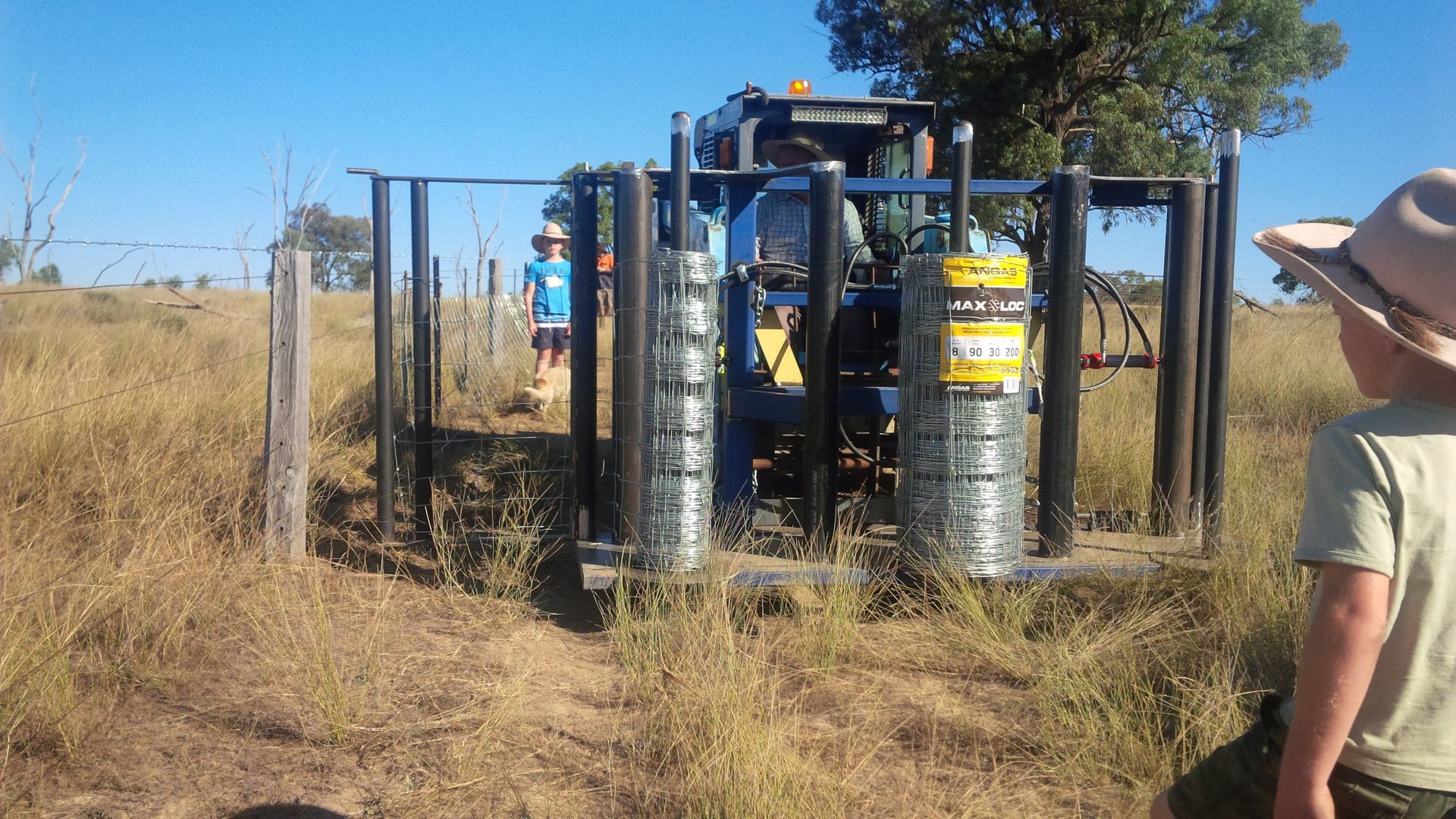
FastFencer Exclusion


1. Livestock Safety: Proper fencing ensures the safety of your livestock and prevents the farm animals from wandering off and away from your property. Cattle and other small animals often get lost or become prey to predators, and keeping them in an enclosed area preserves their well-being. Sturdy fences in place provide a boundary for your livestock to roam about freely and protect them from any harm.


2. Improved Grazing Management: Effective fencing allows you to implement rotational grazing systems, promoting a healthy growth of vegetation season by season. By dividing your land into smaller grazing areas, you can control grazing pressure, prevent overgrazing, and maintain optimal forage quality for your animals. This strategy of rotational grazing also helps prevent soil erosion and promotes good soil health.


3. Protection of Crops and Property: Your crops and property are out of harm's way with proper fencing. Keeping unwanted pests out of your field and away from your crops is easy with fences. Your infrastructure and equipment are safe from possible damage that could be caused by roaming livestock or wildlife.


4. Reduced Liability: Mitigate the risk of liability associated with livestock-related incidents by fencing your assets. Other than protecting your livestock, the likelihood of trespassing accidents on neighbouring properties is also avoided. This approach to property management helps you avoid costly legal disputes and insurance claims.


5. Prevention of Disease Spread: Sick animals could infect the whole herd if they are not separated at the right time. Fencing will help you control the movement of livestock and conveniently reduce the risk of disease transmission. You can easily quarantine or separate the infected or sick animal and avoid a possible outbreak of diseases. As a farmer, your herd’s health is a primary concern for you, and an arrangement of fences on your farm is the best and most cost-effective way of ensuring their good health.


Through strategic planning and implementation, fencing solutions could be tailored to your specific needs. Create a secure and efficient environment for your animals and business.


Prevention of Disease Spread: Whether you are planning to create a new boundary or replace an old one, the initial step is to choose the right type of fencing for your property. Selecting the appropriate fencing materials is crucial for durability and longevity, especially in the harsh Australian climate. Fencing has to deal with all kinds of climate conditions, wear and tear by cattle or farm animals, and the test of time. You have options such as timber, steel posts, wire mesh, and electric fencing that offer varying levels of strength, flexibility, and cost-effectiveness. Decide on the best material for your farm fencing based on your requirements, such as terrain, livestock type, and expected lifespan.


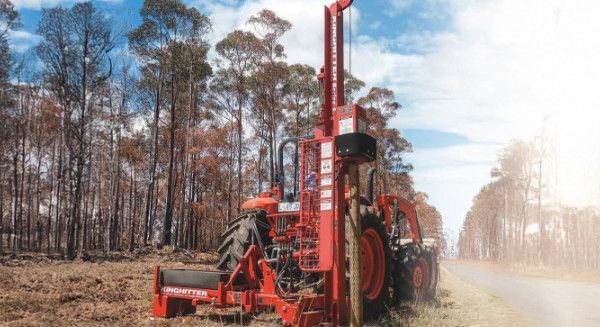
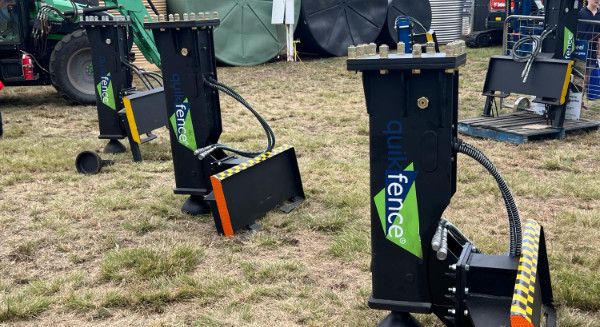
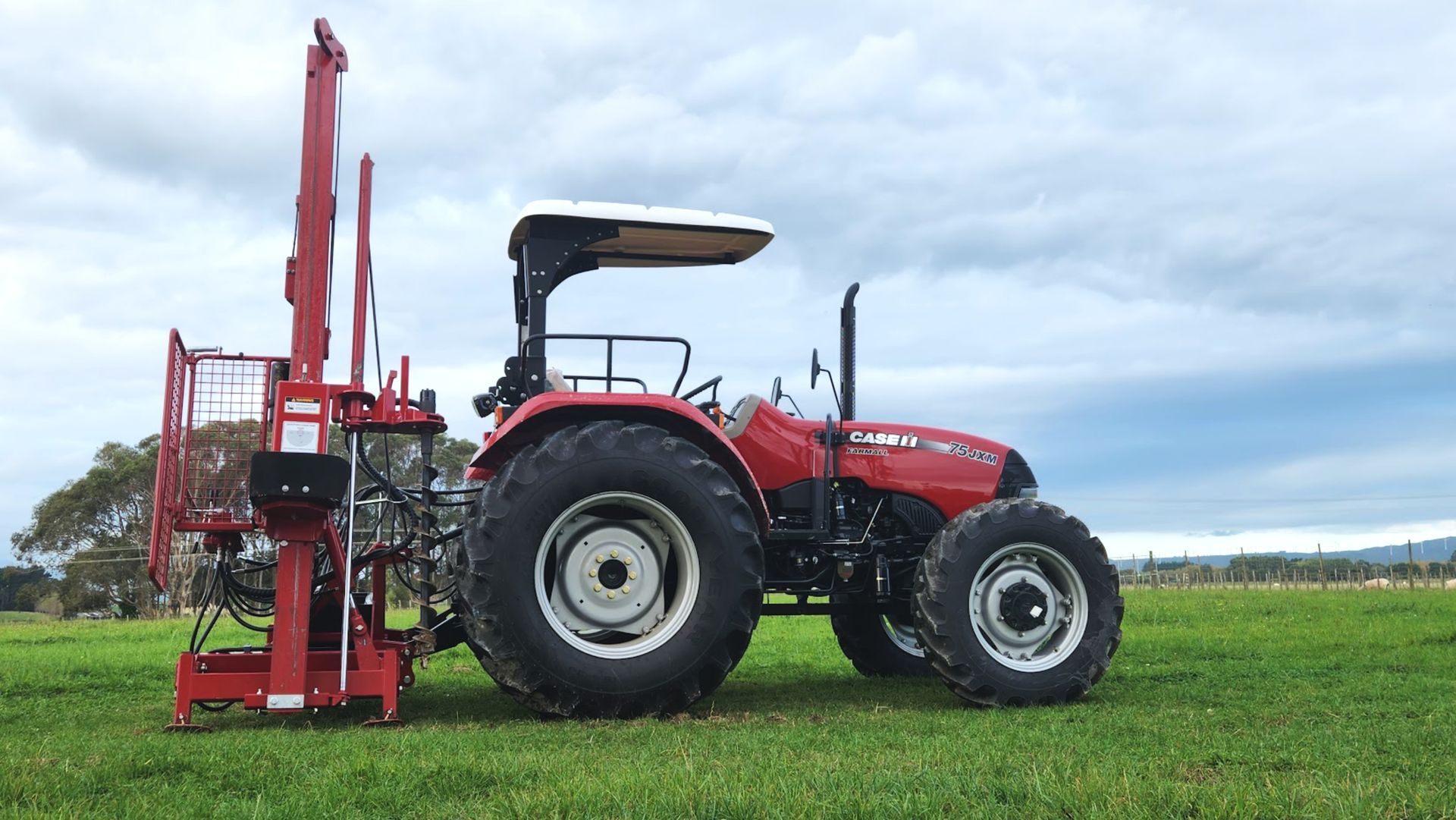
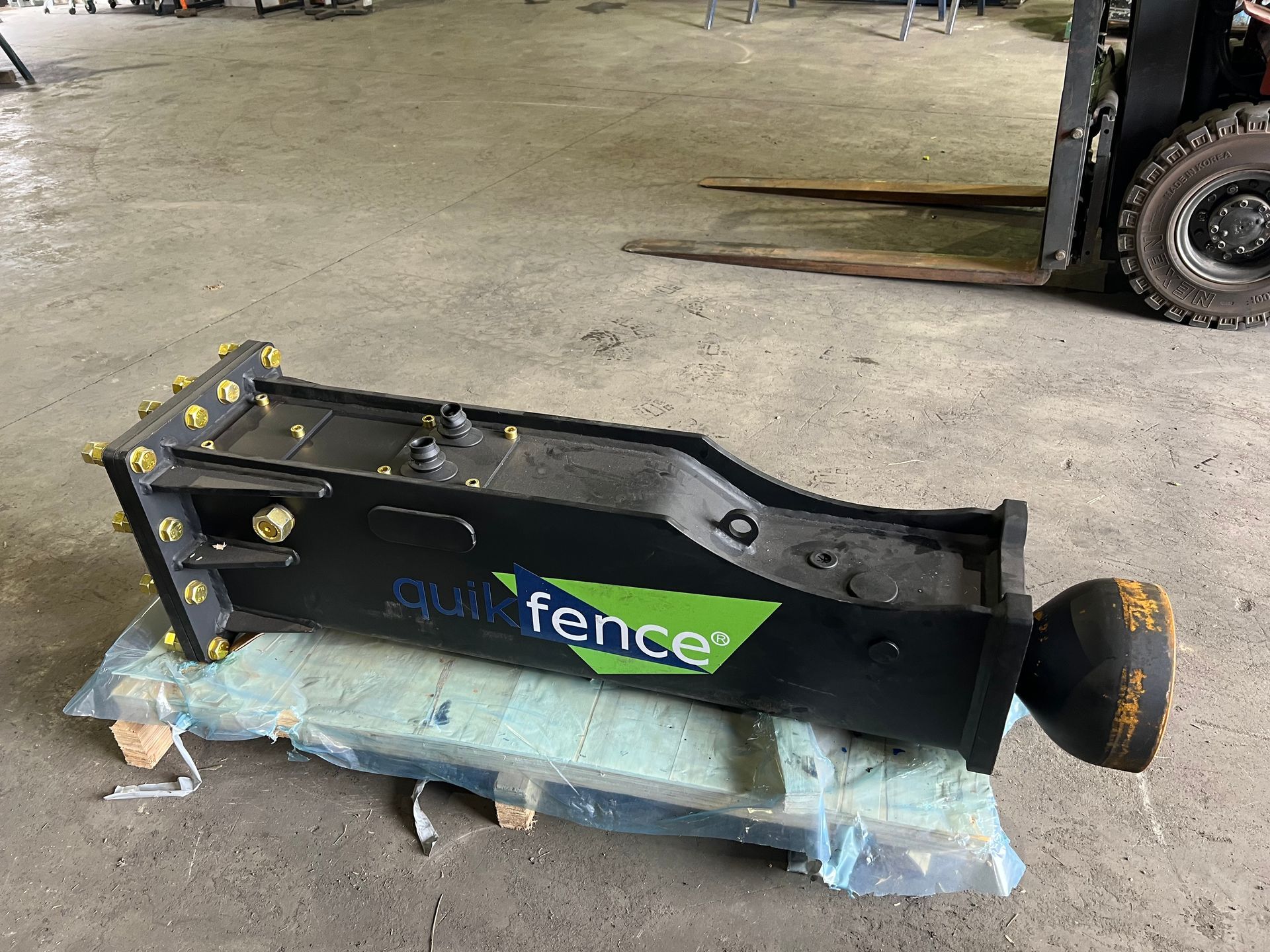
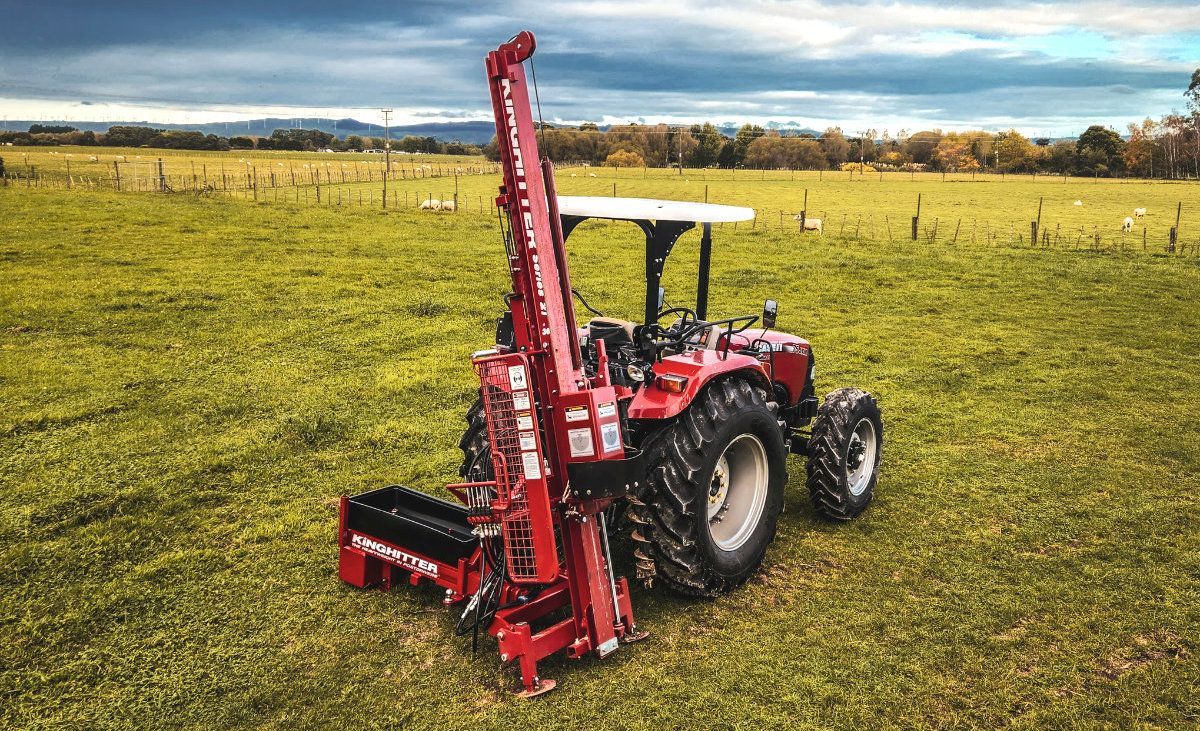
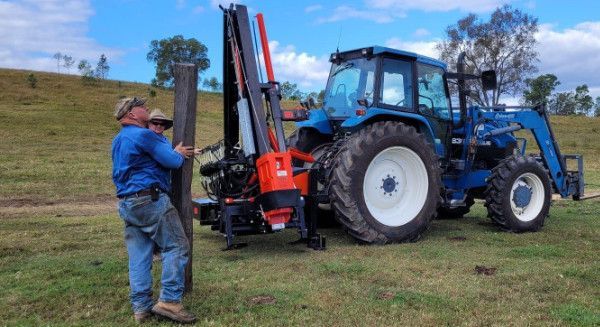
Professional Installation: While DIY fencing projects may seem tempting, enlisting the services of professional installers and fencing machines ensures precision and compliance with industry standards. Experienced fencing contractors understand the unique challenges of Australian farms, from rocky terrain to native wildlife, and can recommend suitable fencing equipment tailored to specific needs. QuikFence, a leading provider of rural fencing machines, is here to offer you a variety of options to choose from, to help erect a sturdy and durable fence. With over 20 years of experience in supplying quality rural fencing equipment, we have exclusive knowledge of using the right equipment for different conditions. With their range of post drivers and fencing machines, QuikFence allows farmers to have full control over the machine with safety and greatly reduced manual labour. 


Farm Fencing Machine: You will find a variety of equipment available in the market that claims to streamline your fencing operations. Avoid getting driven to the first option you see. Rather, do your own research and consult an expert to help guide you through the process. QuikFence is one of the leading agricultural fencing machinery suppliers in Australia. We can help get your feral or farm fencing project started in no time. Just send your query for the fencing equipment or the type of fence you’re planning. We can provide you with options to buy or rent fencing equipment to suit your project, contact us today.


The Post by QuikFence

by Jon Earl 11 September 2026
Learn how to rebuild flood-damaged farm fencing safely, from assessing damage and salvaging materials to choosing the right equipment and rebuilding for future floods.
by Jon Earl 4 September 2026
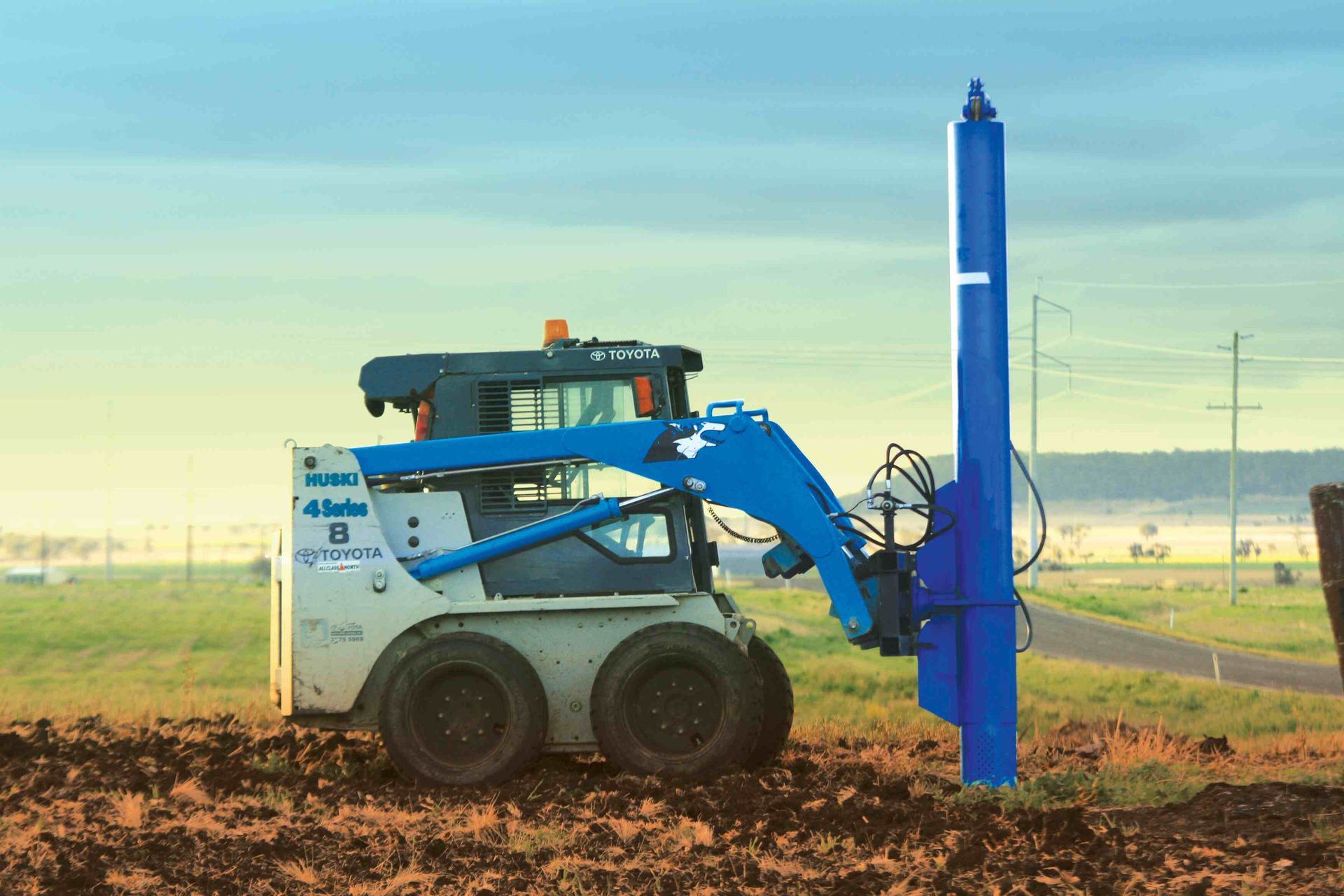
Time lost on a fencing job rarely comes back. The season opens, the ground is workable, and there's a long run to get through before conditions change. Most people underestimate how much the choice of equipment shapes how that run actually goes. The gap between manual post driving and a post driver for a skid steer is bigger than most expect before they've experienced both side by side. The Reality of Manual Post Driving Manual post driving works. But working and working efficiently across a full day are two different things. Every post requires the operator to position equipment by hand, strike repeatedly, check alignment, correct if needed, and move on. On a short job with easy ground, that's manageable. Once the run stretches out, it becomes the thing that eats the day. Depth varies from post to post. Alignment drifts. The operator tires and small errors start creeping in before anyone notices. A job that looked achievable in the morning starts pushing into the next day. That's not a failure of effort. It's the natural limit of what manual methods can sustain across a serious fencing run. What Changes When a Skid Steer Gets Involved The operator stays in the cab throughout. The machine repositions between posts without anyone climbing off or dragging equipment into position by hand. The fence post driver handles the impact. The operator handles placement. That shift alone changes the pace of the whole job. The bigger change is consistency. Controlled hydraulic force delivers the same result post after post. Depth stays uniform. Alignment stays cleaner across the run. The small corrections that cost manual operators minutes at a time stop being a constant part of the day. ere the Time Actually Goes Faster driving is the obvious saving. A skid steer post driver gets through a post in a fraction of the time manual methods take. Across hundreds of posts, that adds up to hours, not minutes. Fewer corrections is the next one. Posts that go in consistently straight don't need adjusting. A fence line built with uniform depth and clean alignment doesn't need rework once the wire is up. Less fatigue is the saving that doesn't get counted but matters most. The physical load stays on the machine rather than the operator. The pace that starts the morning holds through the afternoon in a way that manual driving simply can't match once the day gets long. Hard Ground Is Where the Gap Really Opens Up On easy ground, manual post driving is slow. On hard ground it becomes genuinely difficult to sustain Compacted clay, rocky sections, ground baked dry across an Australian summer. These are the conditions where manual methods lose hours that don't come back. Progress slows, and the results get inconsistent just when the job needs them most. A post driver handles those changes without the operator having to compensate manually. The hydraulic system responds to resistance and the job keeps moving. In particularly tough or difficult to access sections, the PostPuncher can work on slopes, over ditches, and into spots where manual driving simply isn't a realistic option. Access Is Part of the Time Equation Too Manual driving means carrying or dragging equipment to each post location. A fence post driver on a skid steer moves with the machine. Tight corners, steep creek banks, narrow sections near yards and sheds. A skid steer gets into those spots without the setup that larger machinery requires. Less time getting to the post means more time actually driving it. What the Difference Looks Like Across a Season On a single job, the time saving is noticeable. Across a full season of fencing work, it becomes significant. Faster installation. Fewer corrections. Less fatigue dragging down the second half of the day. Better access across sections of the property that used to cause delays. All of it adds up across every run the season brings. For anyone still relying on manual methods for regular fencing work, the question isn't whether a skid steer post driver saves time. It's how much time has already been lost without one. QuikFence supplies a range of post drivers suited to skid steers and Australian conditions, including the PostPuncher, FencePro, and ThunderPro. Get in touch with our team to know which machine suits your work.
by Jon Earl 17 August 2026
Discover 7 signs it's time to upgrade your post driver, from slow jobs and operator fatigue to hard ground, safety concerns and costly downtime.
by Jon Earl 7 August 2026
Comparing the KingHitter and Bryce Suma post rammers? See how each hydraulic post driver performs so you can choose the right fit for your fencing needs.
Steer Post Driver
by Jon Earl 31 July 2026
Learn how a skid steer post driver reduces operator fatigue, improves fence quality, and speeds up post installation across Australian farms.
 Skid Steer Post Driver
by Jon Earl 24 July 2026
Choosing a skid steer post driver? Compare hydraulic, percussion & front-mounted options from QuikFence to match your ground, machine & posts.
Post drivers for sale
by Jon Earl 16 July 2026
Keep your post driver in top condition with practical maintenance tips to extend equipment life, improve performance and reduce downtime.
by Jon Earl 6 July 2026
Learn how the KingHitter post driver outperforms traditional post rammers with improved safety, consistent performance, and greater efficiency.
by Jon Earl 30 June 2026
Discover why more Australian farmers are investing in post-driving equipment to improve fencing efficiency, reduce labour, and boost productivity.
by Jon Earl 19 June 2026
Discover why contractors choose tractor mounted post drivers over standalone models for faster fencing, greater precision, less labour and consistent results.
More posts