Rural Fencing Future, Industry Trends Reshaping Landscapes
The rural lands of Australia are stretched to long distances and fencing is the best option to manage agriculture and livestock. Fences play a crucial role in defining boundaries, saving you lots of money and time. The whole concept of rural fencing is evolving rapidly, driven by technological advancements, environmental concerns, and changing consumer preferences. This blog talks about the transformative trends shaping the future of rural fencing, offering you insights into the changing industry’s landscapes.
2024 Fencing Trends:
1. Rising Interest in Steel Fencing: As a farmer, your top choice must be robust metal fences that deter intruders and safeguard your property. This unparalleled security and durability is the most popular among farmers or landowners seeking solutions that can withstand the harsh Aussie environment. And in future, long-lasting
fencing material like steel is only going to gain more admirers.
2. Aesthetic Fence Designs: Apart from functionality, farmers and landowners also take an interest in maintaining the aesthetic appeal of their rural landscape particularly around the homestead. They would opt for fencing designs with some visual appeal rather than simple fences. The upcoming year might see a jump in visually appealing fences in the market.
3. Long-Term Savings and Eco-Friendly Characteristics: Sustainability has the potential to affect every aspect of life. Farmers who are already connected to their lands are increasing their search for eco-friendly alternatives. Options like recycled plastic and composite materials are coming on the market as a new trend. These are popular choices for those who are hardcore environmentalists; the materials are durable and provide long-term cost savings.
4. Enhanced Security & Monitoring with IoT Integration: Smart fencing will be a popular thing in the future as it offers more efficient farming operations. The additional sense of control and security comes from the integration of Internet of Things(IoT) technology. Advanced technology allows the integration of sensors into the fences, making them smart fences. This way you monitor livestock movements and get real-time updates on your smartphone anywhere you go.
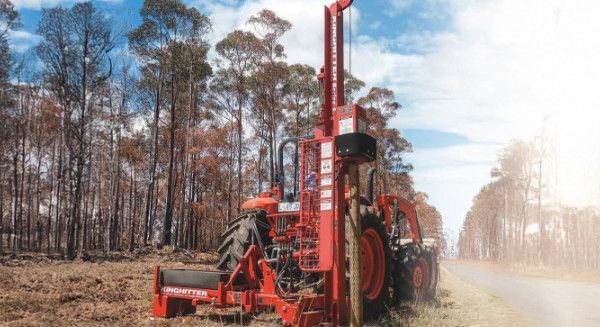
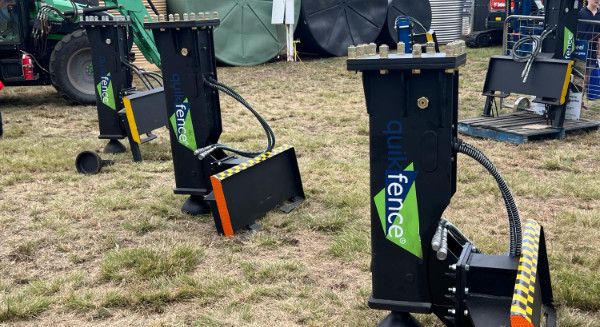
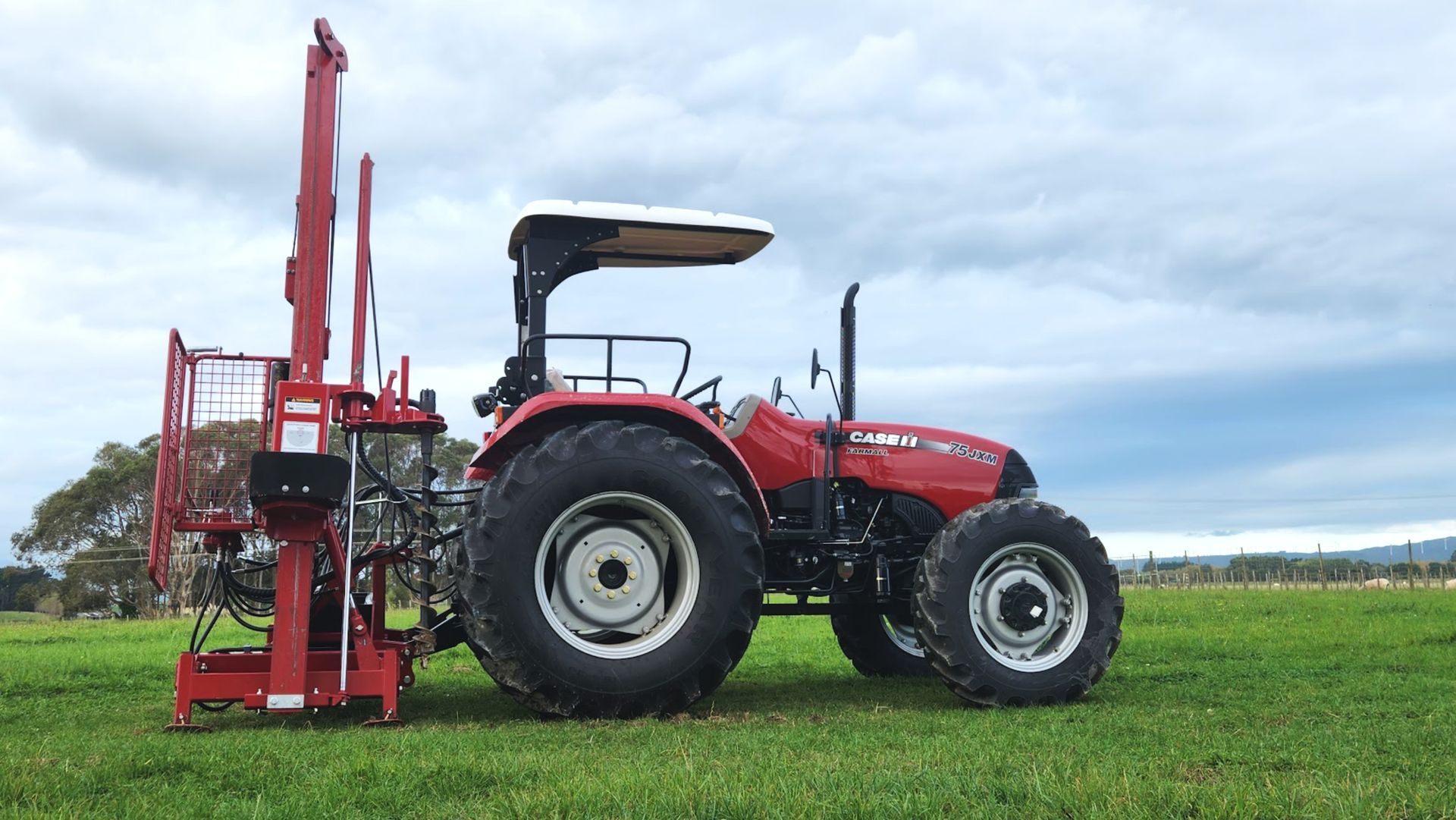
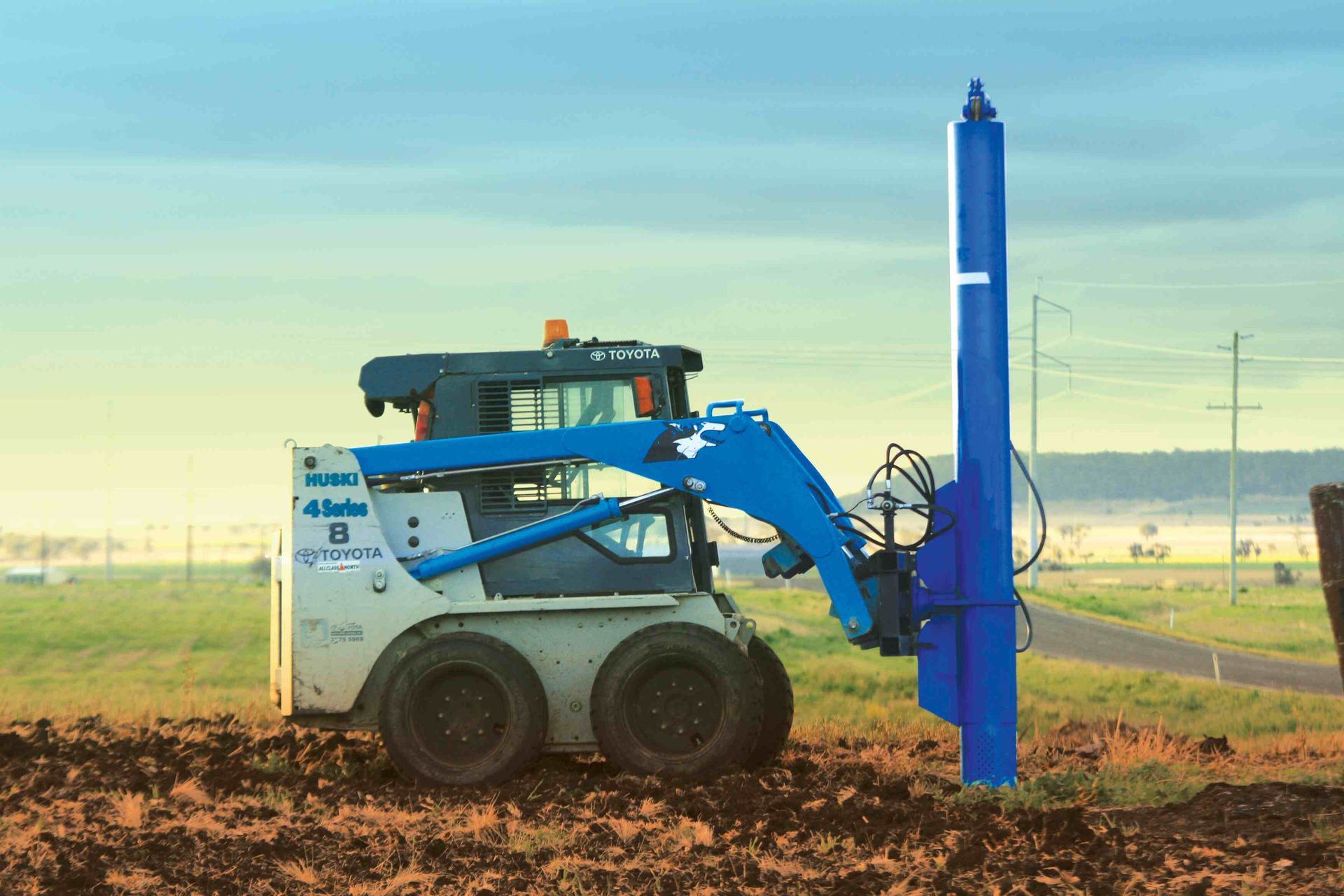
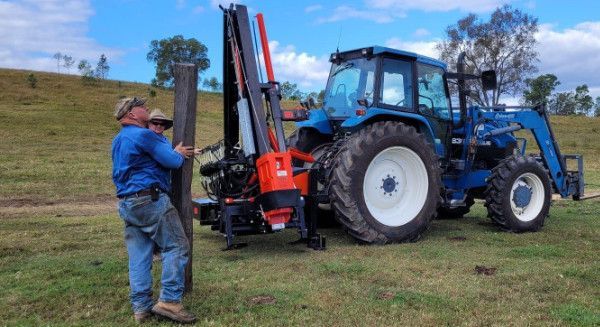
5. Quality Fencing Machine For Efficiency: Investing in quality fencing machinery is a critical component of evolving fencing trends. Advanced rural fencing machines help your fencing operations run smoothly and efficiently while saving on labour costs. Advanced machinery specifically designed for fencing tasks works with precision and speed. Making it an ideal choice for farmers who want to streamline installation processes. For enhanced farm productivity and profitability, connect with your area’s best agricultural fencing suppliers.
Customisation Options: Tailoring Solutions to Unique Needs
How easy it is to make your customers happy, just offer them a customisable service option. Nowadays, almost every industry’s service provider offers their consumers an option to personalise products or services according to their needs and requirements. In this case, farmers can customise fence layouts to suit their specific requirements. If they want it for crop protection, livestock containment, or property delineation. Moreover, customisable designs facilitate seamless expansion or modification options as farming practices evolve with time, and provide long-term flexibility.
It is important to address how personalised solutions can cater to the diverse needs of consumers. When farmers have the choice to tailor their fence layouts according to their requirements, they get empowered to tackle unique challenges effectively. Consider an instance, farmers who are operating in areas prone to wildlife intrusion would most likely opt for specialised fences with extra deterrents such as electric wires or mesh fencing with aprons. Fences in the agricultural sector are also expected to be expandable according to the growing demand to protect farm animals, crops, as well as farmland from wild animals and poachers. Farmers with livestock containment requirements will want sturdy fences to withstand and protect the force exerted by huge animals. Keeping livestock in an enclosed environment will allow easy movement and safety.
D-I-Y Or Expert Assistance?
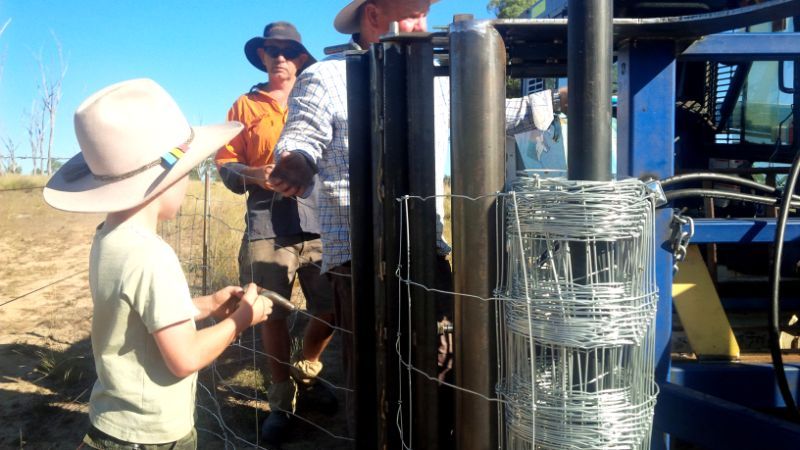
As farmers look for more diversity in their farming operations in the future, flexibility in fencing practices becomes a necessity. To provide more flexibility and lower costs farmers are moving to the DIY model, and this is expected to increase in the future. Farmers and rural property owners can find a variety of DIY fencing options in the market. However, fences built with the DIY approach can run into issues due to the lack of fence-building experience, with no accurate estimation of how long the task takes.
In the market, various contractors have sufficient experience in erecting fences, as per the aesthetic preferences and needs of their customers. Fences can also be installed quickly and efficiently by contractors who have the necessary expertise and equipment. That is why many landowners or farmers choose to hire professionals to erect their fences.
Agricultural Fencing Suppliers
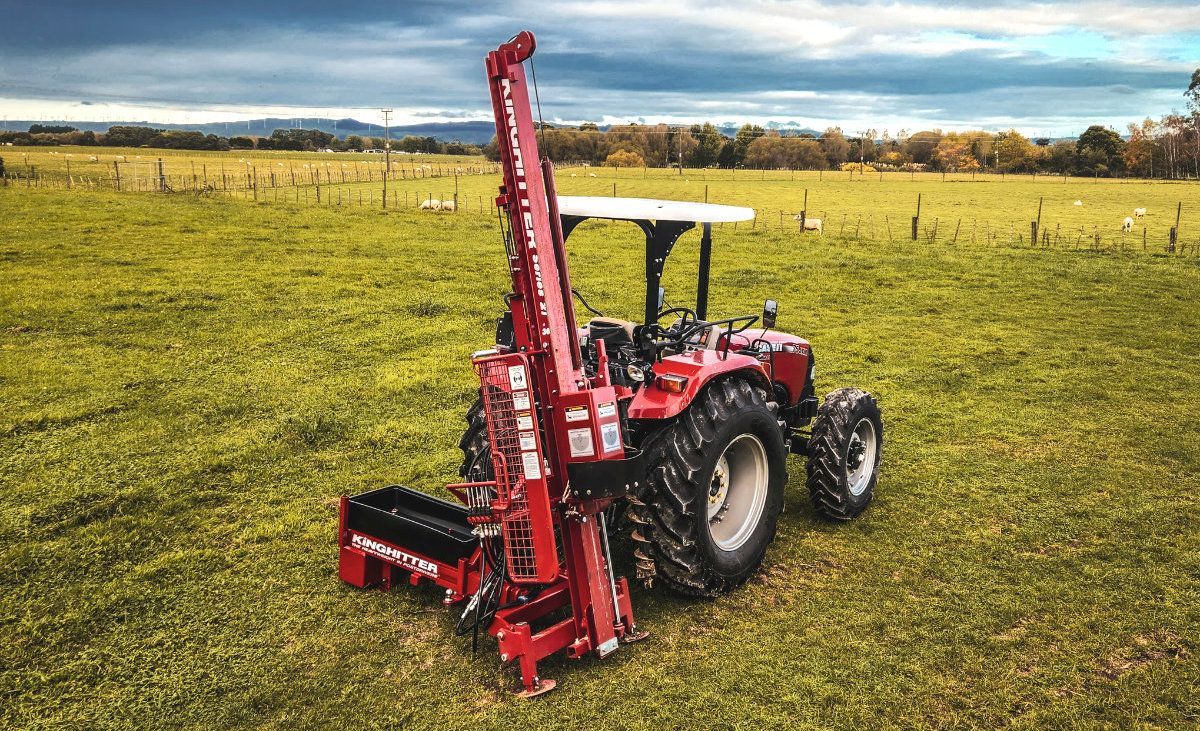
For farmers and landowners, looking for reliable fencing machinery, QuikFence has got your back! With more than 20 years of experience in supplying quality fencing equipment, QuikFence has become a name of trust and reliability for farmers and fencing contractors. They offer a range of post drivers, fencing machines and supplies to suit hobby farmers to enterprise-level producers. They pride themselves in supplying easy-to-use fencing machines FastFencer, FencePro post driver, KingHitter post driver, Bryce Suma post rammer, PostPuncher, Fence Supplies, Farm Gates, and the unique Gate Wheel.
Our quality-build equipment range is available for buying as well as hiring, to support your fencing projects. Speed up the overall process of fencing by contacting our experts or visiting our Fencing Hire page. Enquire now for hiring Tractor and Ag Machinery.
The future of rural fencing is undergoing a remarkable transformation driven by sustainability, technology integration, and durability. As the market leaders embrace these trends, the rural landscape evolves to meet the changing needs of modern agriculture. Additionally, incorporating fencing machinery, such as post drivers, into rural fencing practices is revolutionising the industry.
The Post by QuikFence