Fencing for Farms, Protecting Livestock & Crops - Quikfence
Are you an Aussie farmer? This is a must-read blog for you. You and only you know the struggles of maintaining a farm, regular nurturing and caring for your crops and livestock. And the challenges that come along in the various operations. No farmer has ever grown without encountering these challenges. This blog is focused on a very specific farming necessity, fencing. In order to protect your livestock and crops, you need to have sturdy fencing erected around the farm.
Role of Fencing in Agriculture
Fencing is more than just wires and posts; it is a fundamental aspect of efficient farm management. It has a number of farming roles and comes with numerous benefits a farmer can enjoy. Now, we will take a closer look at why fencing is indispensable in the agricultural landscape.
Livestock Management:
Livestock is the lifeblood of many dedicated farmers, and proper fencing is essential for their management. Fencing helps in containing animals within designated spaces, preventing them from wandering off and protecting them from potential predators. Your livestock remains safe and protected while being under your reach. A well-designed fencing could help facilitate rotational grazing to avoid soil from eroding, and give adequate time to the flora to regrow.
Crop Protection:
Crop farmers have to deal with a multitude of threats while working in the farm or tending to their livestock. Fencing can take one worry out of their hands by acting as a shield against these threats, including wildlife intrusion, pest infestation, theft and more. Planned fencing will also stop feral pests from digging under the ground and entering your farm to destroy crops.
Land Utilisation:
With correct fences erected to make boundaries, farmers can partition their land into distinct enclosures, allowing efficient land management practices. This way you designate grazing lands, enclosures, yard space and more.
Improving Farm Appearance:
Fences erected uniformly enhance the look of your farm giving it an organised appearance. You can choose between different types of fencing materials to align with your farm or whatever you think might give the best look.
Farmers are vulnerable to unfortunate incidents of farm crimes as the vast acres of farmland is not easy to monitor. And they only come to know of any unusual activity when they inspect their property. This is why every farmer should take necessary precautions for monitoring and keeping track of their livestock. Fencing is one of the ways many such incidents could be averted. It gives lurkers a hint that a property is enclosed and well-protected and should not be messed with.
Role of Fencing Materials
For a farmer, it is crucial to know the role of different fencing materials. A good knowledge of the usability of materials helps in selecting the appropriate fencing materials based on their longevity and effectiveness to do their job. Factors such as durability, cost-effectiveness, and suitability for the intended application must be considered. Common fencing materials include steel, timber, and wire mesh. Each of these materials offer their own advantages as well as disadvantages. Now it’s up to the farmer to make informed selection based on their farm’s requirements and the edge that each of the fencing materials provide. This adds up to the contribution to the overall success of fencing projects.
Implementing Sustainable Fencing Practices
Sustainability has become a priority in modern agriculture, and implementing sustainable fencing practices is also essential. The environmental impact is minimised along with long-term viability of farming operations. Options such as solar-powered electric fencing and the newer growing trend of locally sourced material have a huge contribution. Proper maintenance and regular inspection are vital practices to maintain look and longevity. The need for replacement is minimised if you regularly inspect your fencing, eradicating the minor damages and repairs. By embracing such practices farmers can protect the environment, enhance biodiversity, and overall sustainability.
Introducing QuikFence: Your Partner in Rural Fencing Solutions
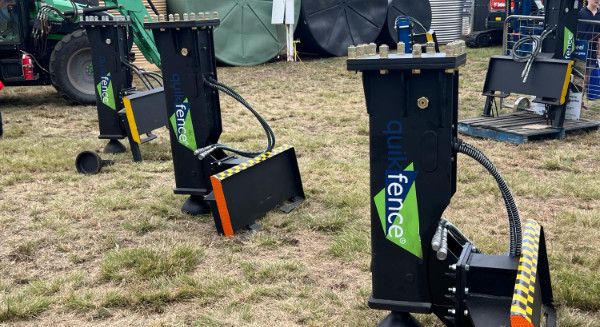
In the realm of farm and agricultural fencing, QuikFence is a trusted provider of quality machinery and equipment tailored to the unique needs of Australian farmers. Here is the range of Post Drivers supplied by QuikFence:
1.FencePro
Looking for a reliable solution to drive in fence posts? Check out
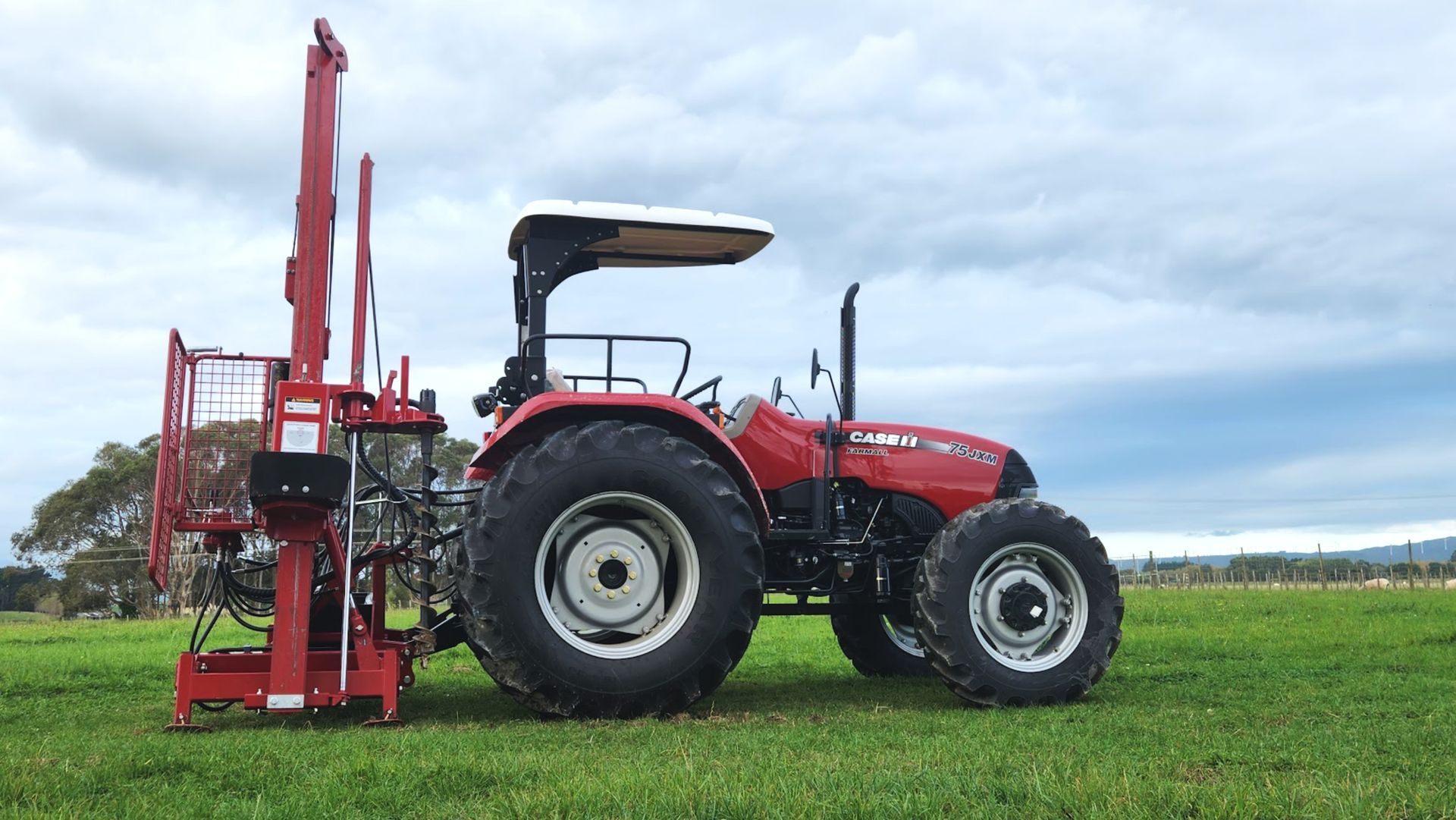
FencePro, a powerful and agile post rammer perfect for both fencing contractors and farmers. With easy-to-add options to enhance its capabilities, FencePro is ideal for tackling challenging projects and terrain.
2.KingHitter
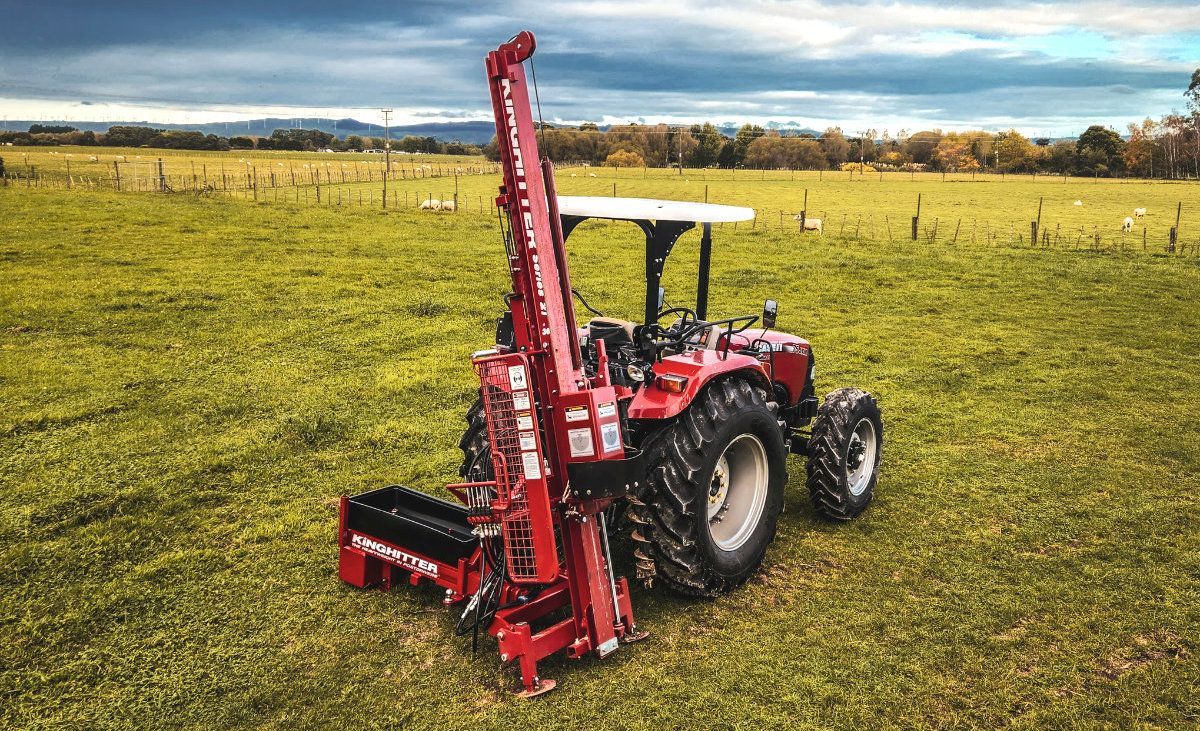
If you're in need of a heavy-duty post driver, look no further than
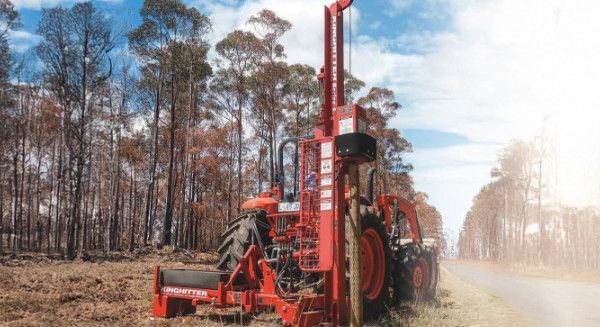
KingHitter. Widely regarded as the heavyweight in post drivers, KingHitter prioritises safety without compromising on power or performance. It's the perfect choice for those seeking a step above entry-level options without breaking the bank.
3.PostPuncher
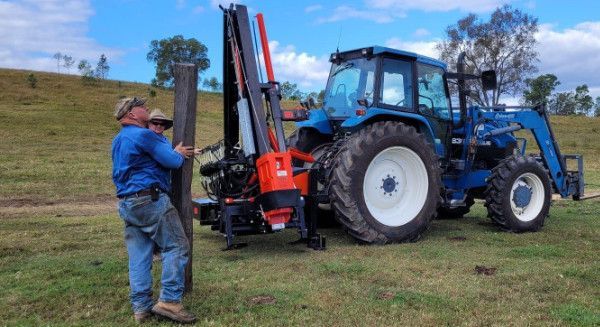
For versatility and reliability, consider
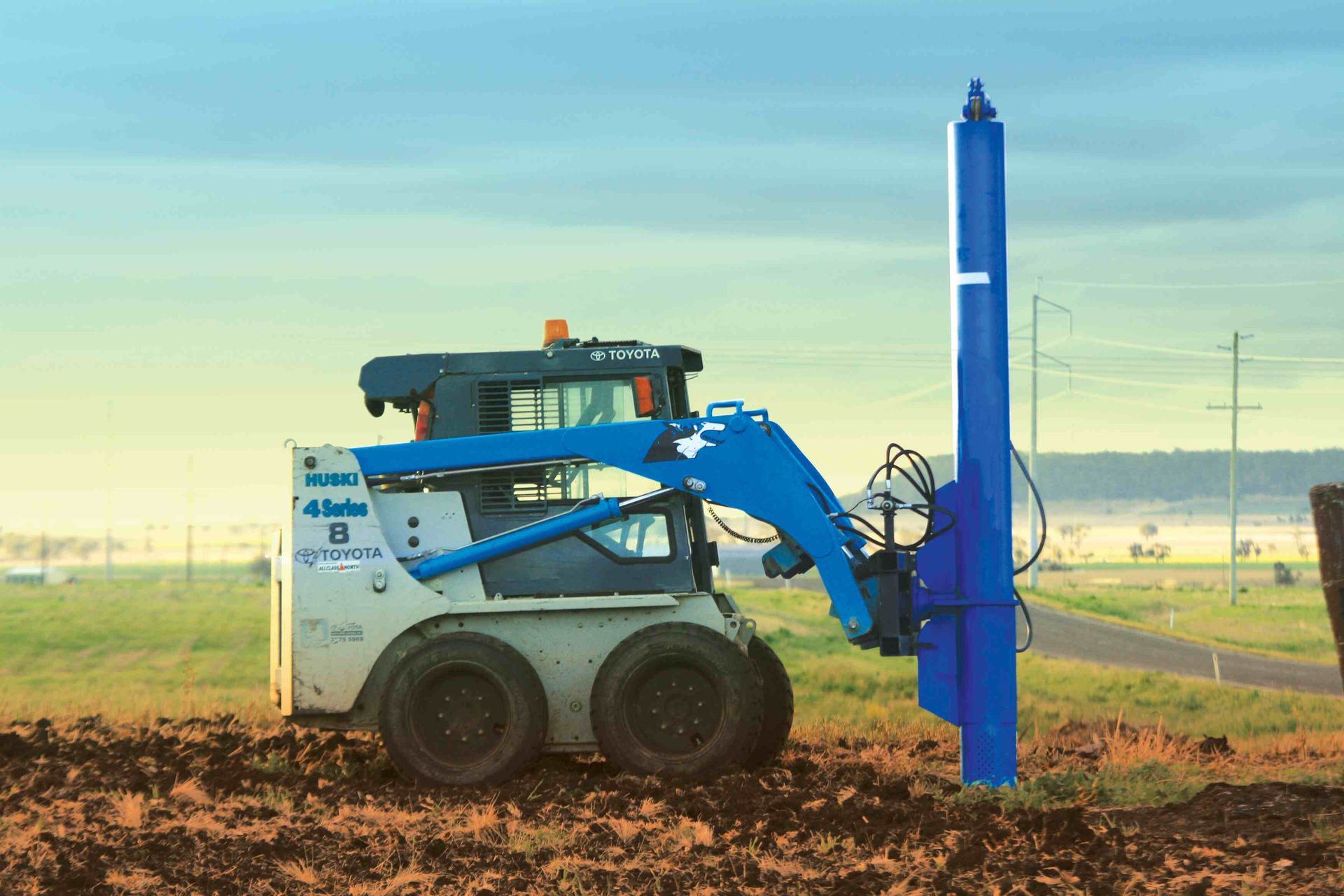
PostPuncher. This locally-made unit, based in Warwick, southern Queensland, has no height limit and is ideal for farmers and fence contractors using a skid steer or small tractor. Perfect for a two-man operation, PostPuncher is your go-to solution for driving posts efficiently.
4.FastFencer
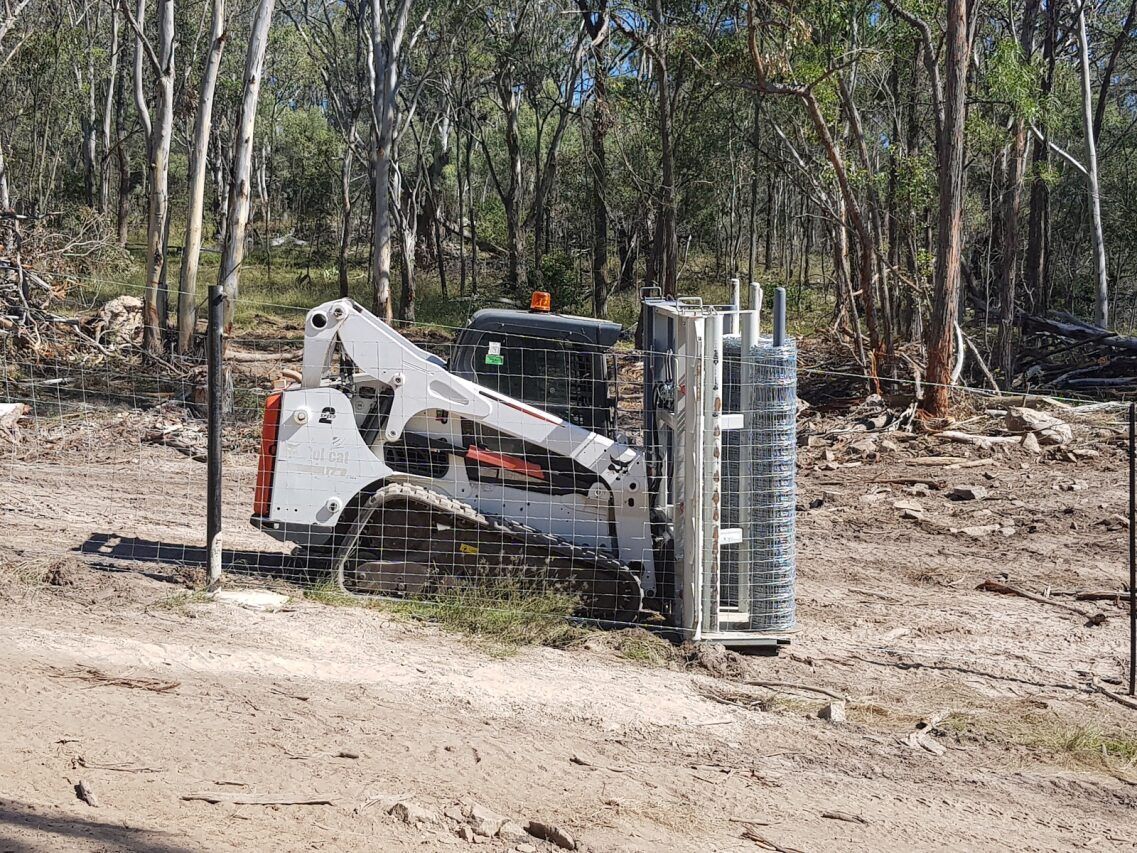
FastFencer does the heavy lifting for you by carrying 3 rolls of fence netting. It makes rural fencing safer and faster, reducing the labour involved. There are 2 series of FastFencers, FastFencer 1300 and FastFencer 2100. Explore the versatility of these equipment series and the recently introduced FastFencer Jr.
5.FastFencer JR
The
FastFencer JR
provides the option of carrying either 1 or 2 rolls of fence wire, and is ideal for a parent machine up to 100 horsepower. To save weight, the Jr only has one clamping arm. The good news is, to move the clamping arm to the other side, simply remove two large pins, swing the arm to the other side and reinsert the pins. This feature is unique to FastFencer Jr, no heavy lifting and dragging here.
All post drivers and wire spinners are backed up by the QuikFence team. They also provide fencing systems and supplies, machinery for hire and more.
Securing the Future of Australian Agriculture
QuikFence remains committed to empowering farmers by supplying and manufacturing quality rural fencing solutions that enhance productivity, profitability, and sustainability.
QuikFence stands as a steadfast ally, dedicated to supporting the success and prosperity of Australian farming communities. With QuikFence by their side, farmers can continue to build a future where the fields are protected, the livestock thrive, and the fences stand strong against whatever environmental challenges may arise.
The Post by QuikFence