How Farm Gate Wheels Can Improve Gate Accessibility and Safety?
This is a subtitle for your new post
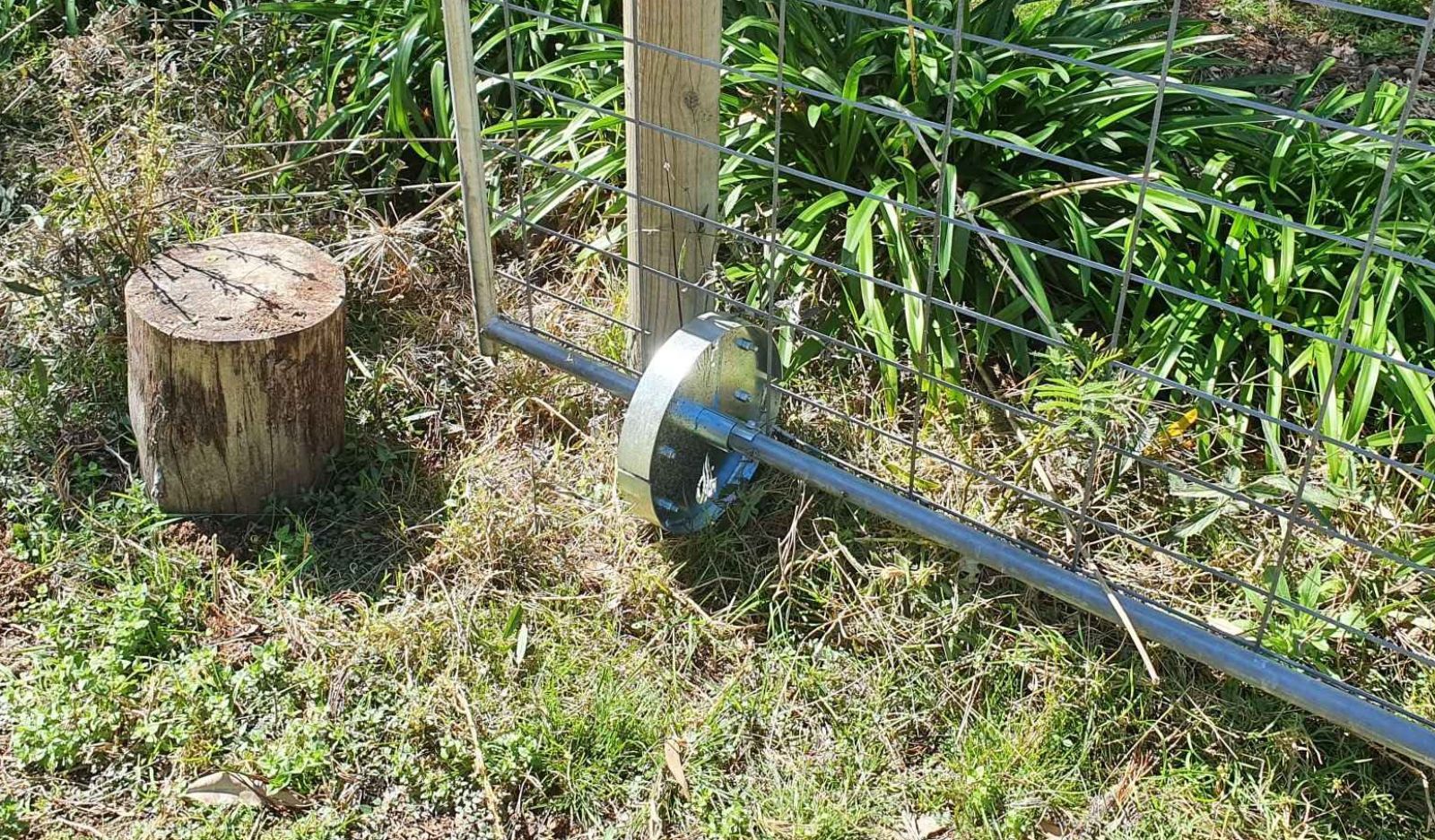
Farming is a tiresome task, and those who navigate around it know the struggle of managing heavy gates. It may seem light a minor task to some people, but gate management is essential for productivity and safety. For many farmers, investing in a reliable farm gate wheel can make a huge difference, transforming the way gates operate across properties. In this blog post, we’ll explore how farm gate wheels work, their key benefits, and why they’re an ideal solution for Australian farms looking to enhance both accessibility and safety.
Understanding Farm Gate Wheels
Farm gate wheels are specially designed wheels that attach to the bottom of gates to make them easier to open and close. They assist in distributing the weight of the gate making it easy to operate the gate without applying a lot of physical effort. Farm gates can prove to be heavy especially when built with heavy-duty materials that have to withstand weather conditions, movement of animals, and day-to-day activities within the farm. Heavy duty gate wheels are made for such needs that are reducing not only the weight of the gate itself but most extreme use cases as well.
Why Are Gate Wheels Important?
Farm gates need to be functional, durable, and easy to manoeuvre for anyone who operates them. Here are some reasons why adding a gate wheel can make a substantial difference:
- Reduced Physical Strain: Without any supporting wheel, heavy gates are nearly impossible to open and close. For farm workers and livestock handlers who move through these gates frequently, this can cause unnecessary strain, especially take up too much time of your busy day.
- Enhanced Accessibility: Accessibility is crucial on a farm, where workers need to move quickly and efficiently. A farm gate wheel reduces the effort required to move large gates, making the farm more accessible for everyone, including young workers, the elderly, or anyone with physical limitations.
- Increased Safety for Workers and Livestock: Heavy gates pose a potential risk if they aren’t properly supported. An unsupported gate can swing unexpectedly, potentially injuring nearby workers or animals. Adding a gate wheel ensures stability, reducing the chance of accidents or gate-related injuries.
Key Benefits of Farm Gate Wheels
Farm gate wheels offer several advantages that go beyond merely reducing physical strain. Here’s a closer look at how they improve both accessibility and safety on Australian farms:
- Smooth Operation on All Terrain
Farms have varying types of terrain, from smooth areas near the homestead to rugged, uneven ground in pastures. A well-designed farm gate wheel is made to handle these conditions. High-quality wheels, like the ones offered by QuikFence, are built to roll smoothly on gravel, dirt, or even grass. This versatility ensures that the gate remains accessible regardless of where it’s installed.
- Ease of Installation and Maintenance
Installing a farm gate wheel is generally straightforward, and most wheels require little ongoing maintenance. Designed to be long-lasting, heavy duty gate wheels are built with materials that can withstand outdoor elements like rain, wind, and sun. This durability saves farmers from frequently needing to repair or replace the wheels, allowing them to focus on more pressing farm tasks.
- Improved Longevity of Gates
By reducing the weight pressure on hinges, farm gate wheels can help prolong the life of the gate itself. Heavy gates without wheel support tend to wear down the hinges faster, leading to maintenance issues and replacement costs. A gate wheel can reduce these stresses, keeping the gate structure stable and reducing the chance of sagging or damage over time.
- Enhanced Safety During High Winds
Australian farms experience varied weather conditions, including strong winds that can cause gates to swing forcefully. A heavy duty gate wheel can keep the gate steadier, minimising movement in high winds. This is particularly important for farmers who need to work through extreme weather conditions, where a swinging gate could injure a worker or livestock.
- Time and Efficiency Benefits
In a busy farming environment, time is invaluable. Farm gate wheels simplify gate operation, allowing farmers to move quickly without struggling with heavy gates. This efficiency gain means workers can focus on core tasks rather than expending energy on routine gate management. For larger properties with multiple gates, these time savings can accumulate significantly, boosting overall farm productivity.
QuikFence’s farm gate wheel is engineered to meet these needs, offering Australian farmers a reliable and effective way to keep their gates accessible and secure.
Tips for Installing a Farm Gate Wheel
- Test the Movement: After installation, test the gate’s movement. If it rolls smoothly and requires minimal effort to open and close, the installation is complete
- Regular Checks: Though heavy-duty gate wheels are low-maintenance, occasional checks can ensure they remain in top condition.
Farm Gate Wheels as an Investment
Installing a farm gate wheel may seem like a minor addition, but it’s an investment in long-term farm efficiency, safety, and productivity. From smoother gate operation to reduced wear and tear, a high-quality heavy duty gate wheel can make a substantial difference. For Australian farmers managing expansive properties, these wheels offer a practical solution to everyday challenges.
QuikFence presents the durable and easy-to-install gate wheel to cater to the specific needs of Australian farmers. They’re selection is designed to handle heavy-duty use, ensuring that gates remain accessible, functional, and secure for years to come.
To learn more about the benefits and options available, visit
QuikFence’s farm Gate Wheels and see how this simple addition can make a big difference in your farm’s daily operations. With a focus on durability, reliability, and ease of use, QuikFence’s gate wheels are the ideal choice for Australian farmers looking to make their gates more accessible and secure.
The Post by QuikFence