How Rural Fencing Machines Improve Safety for Farmers?
This is a subtitle for your new post
Farmers face many challenges when it comes to maintaining secure and efficient boundaries for their livestock and crops. One of the most critical tasks is fencing, which can be labour-intensive, time-consuming, and, if not done properly, it’s unsafe. Traditionally, fencing on farms involved manual labour, which increased the risks of injury. However, modern rural fencing machines have revolutionised the process, significantly improving both efficiency and safety for farmers. In this blog, we will explore how rural fencing machines, such as those offered by QuikFence, enhance safety for farmers while providing other key benefits.
1. Reduced Physical Strain and Injuries
Fencing tasks are physically demanding. Farmers traditionally had to dig holes manually, lift heavy posts, and strain their bodies while installing or maintaining fences. This repetitive and strenuous activity often leads to back injuries, muscle strains, and fatigue, increasing the risk of accidents.
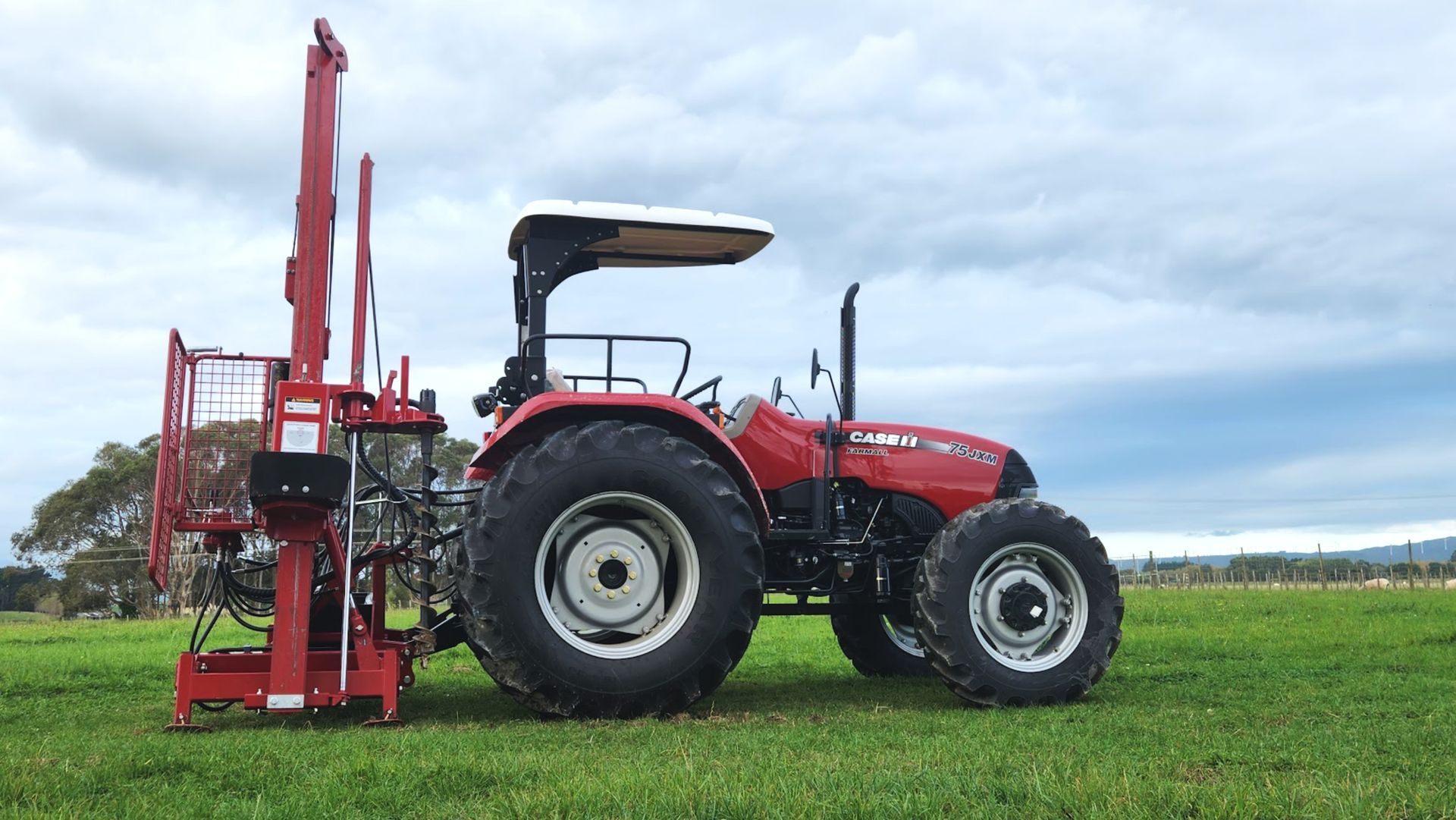
Rural fencing machines eliminate much of the manual labour. These machines, including post drivers and other mechanised tools, allow farmers to install and repair fences with minimal physical effort. This not only reduces the risk of injury but also improves overall work efficiency, allowing farmers to complete fencing jobs in a fraction of the time.
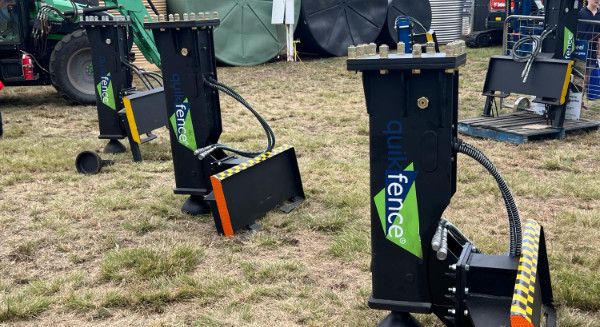
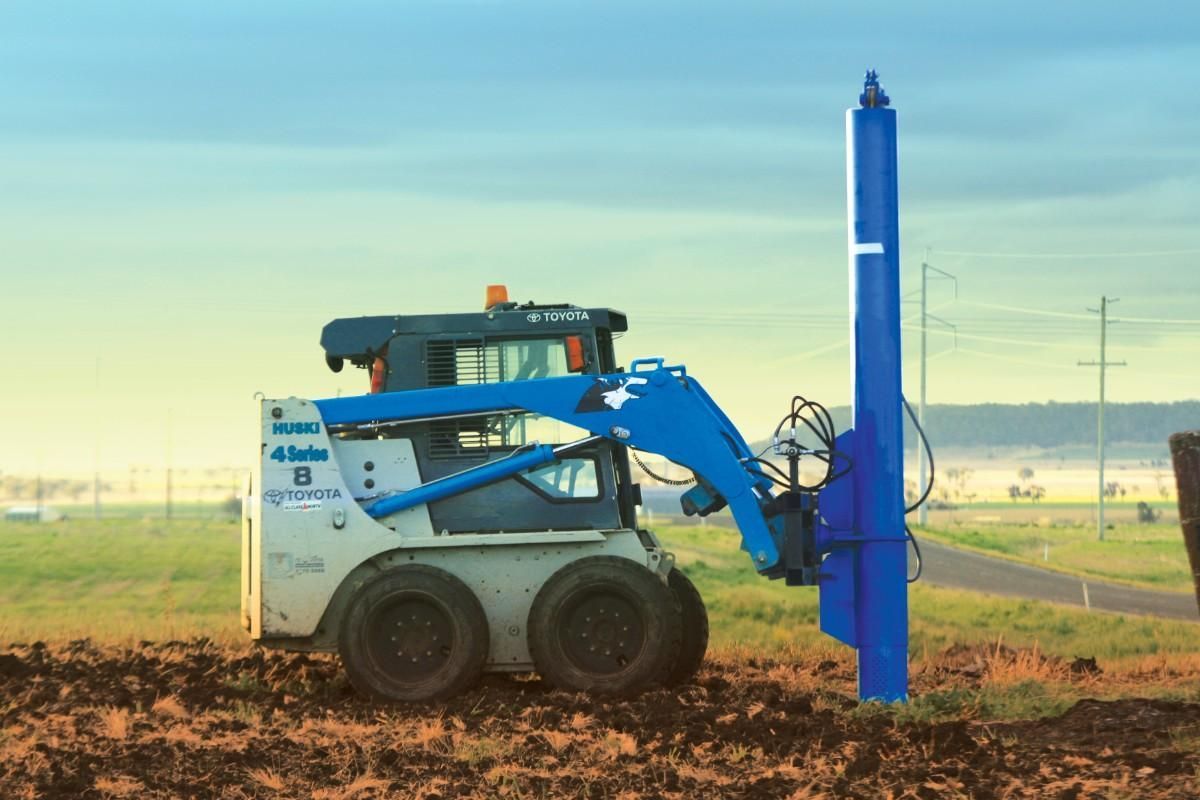
For instance, the FencePro line of fencing machinery provided by QuikFence offers a range of post drivers designed for easy operation. With hydraulic post drivers, farmers can install fencing posts with precision and speed, drastically reducing the need for manual labour.
2. Improved Efficiency with Advanced Technology
Time is a precious resource for farmers, and traditional fencing methods are time-consuming. Rural fencing machines provide an efficient alternative, allowing farmers to complete their fencing projects much faster. Machines like post drivers and wire tensioners speed up the process of driving posts into the ground and securing fencing materials, saving hours of manual labour.
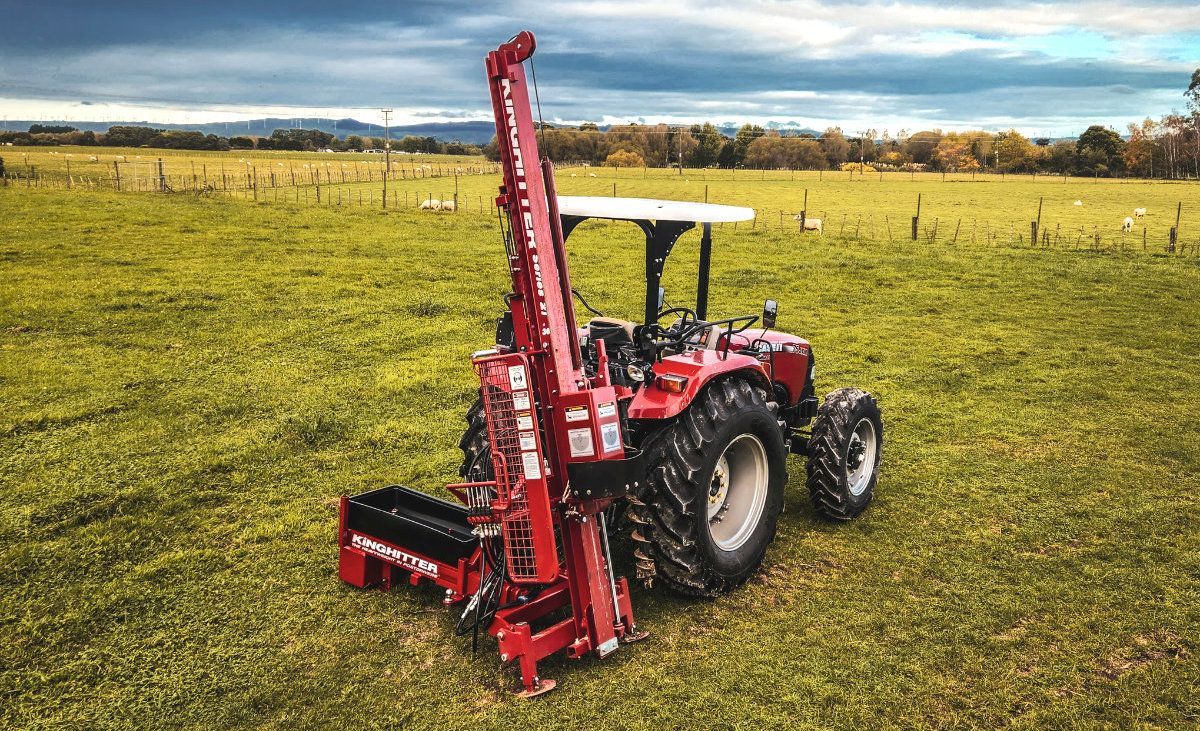
With
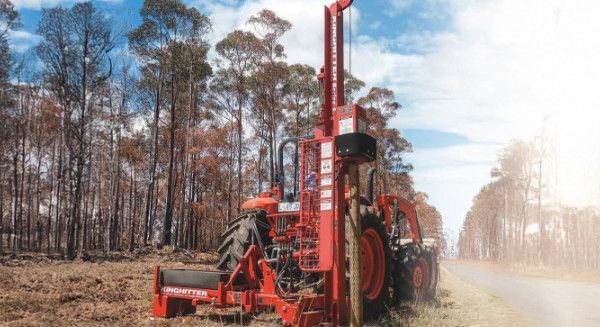
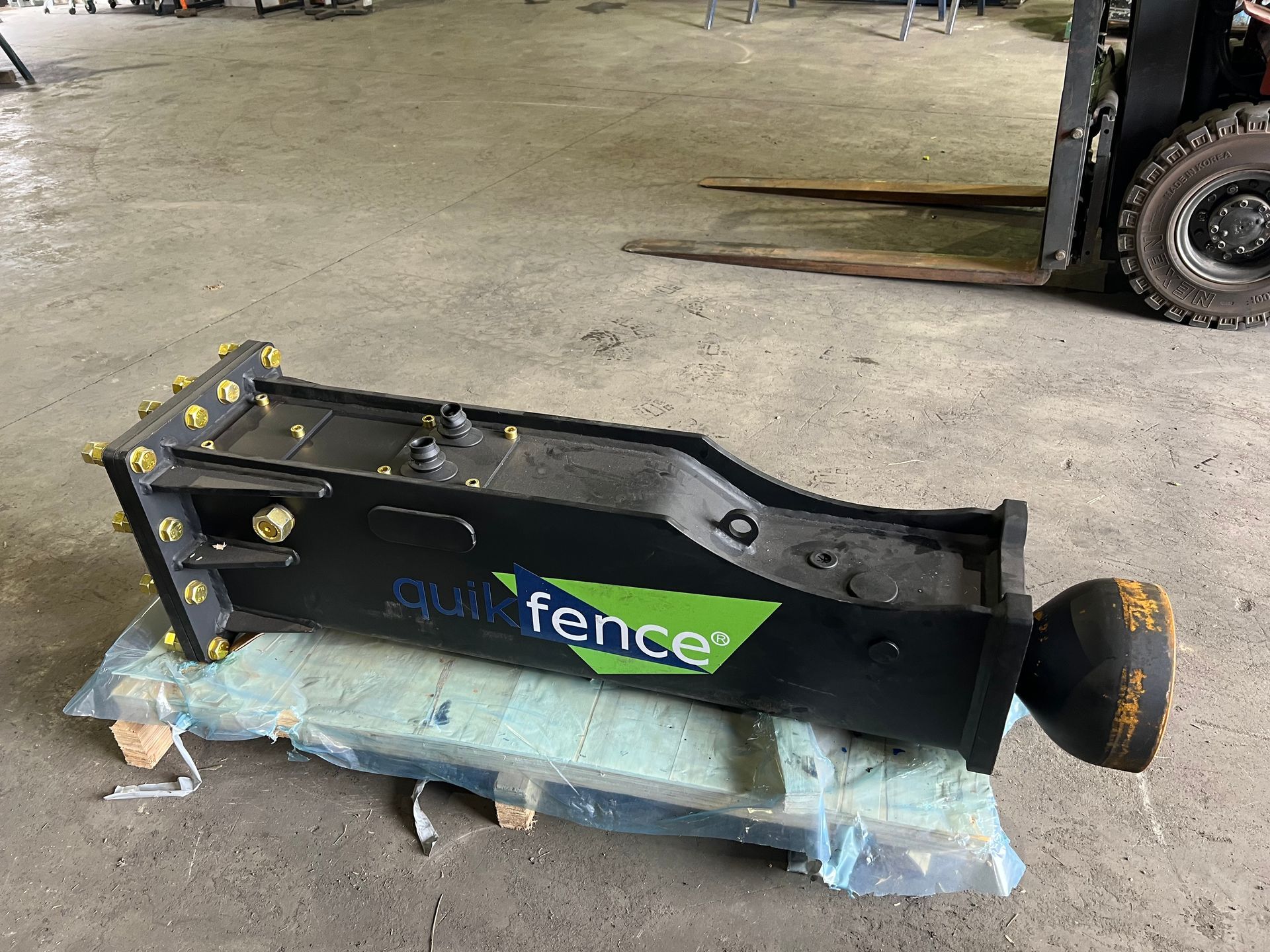
farm fencing machines like the KingHitter range from QuikFence, farmers can drive posts into hard and rocky ground with ease. These machines come equipped with advanced features, such as adjustable angles, which enable precise installation even on uneven terrain. This reduces the likelihood of errors and ensures that fencing is installed safely and securely.
3. Enhanced Safety Through Precision
When installing fences manually, there’s always a risk of improper placement or weak construction. Misaligned or poorly set posts can lead to weak points in the fence, which can fail under pressure or allow livestock to escape. This not only presents a safety hazard for the animals but can also increase the risk of accidents for farmers trying to repair or adjust the fence.
Modern rural fencing machines provide a higher level of precision than manual methods. Tools like hydraulic post drivers allow for consistent placement and depth, ensuring that each post is securely anchored. This precision enhances the overall strength and longevity of the fence, reducing the need for repairs and minimising potential hazards.
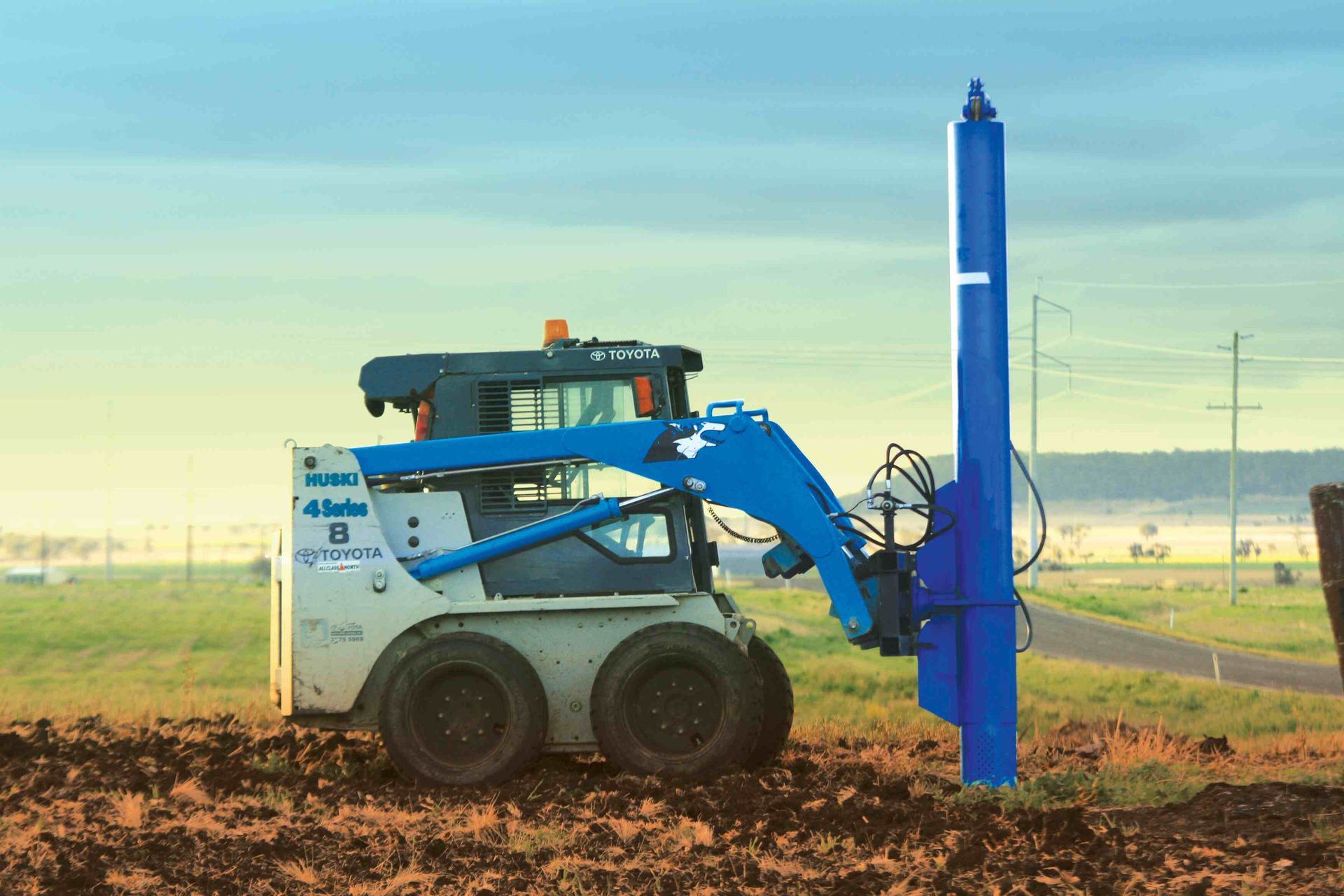
Additionally, fencing machines like the Post Puncher, available through QuikFence, are engineered for efficiency and accuracy, even in tough conditions. This machine reduces the risk of errors and ensures fences are installed to the highest standard.
4. Minimised Risks with Hydraulic Technology
Many farm fencing machines are equipped with hydraulic systems, which not only make the process more efficient but also safer. Hydraulic post drivers allow farmers to exert less physical force, making the operation smoother and reducing the risk of injury. With hydraulic machinery, the risk of posts being driven incorrectly or of workers suffering from overexertion is significantly reduced.
The FencePro machinery from QuikFence uses state-of-the-art hydraulic systems that minimise the risk of injury by handling heavy posts with ease. These machines are designed to be operated with minimal physical input from the farmer, making the entire process safer and faster.
5. Safety Benefits of Automation and Multi-Functionality
Automation in rural fencing machines further enhances safety by reducing the need for human intervention in dangerous tasks. For example, multi-functional fencing machines can handle a variety of tasks, such as post driving, wire tensioning, and fence alignment, all in one unit. This reduces the number of tools needed and minimises the chance of accidents associated with switching between different equipment.
A great example of this multi-functionality is the KingHitter range, which provides powerful post driving combined with smart features for handling wire and adjusting fencing heights. With these machines, farmers can automate several aspects of fencing installation, reducing the need for manual intervention and increasing safety on the job.
6. Safer Work Conditions with Fewer Hands Required
Fencing was historically a team effort due to the manual labour involved in lifting posts, digging, and securing the wire. More hands on the job often meant a higher risk of accidents, especially when using heavy tools or equipment.
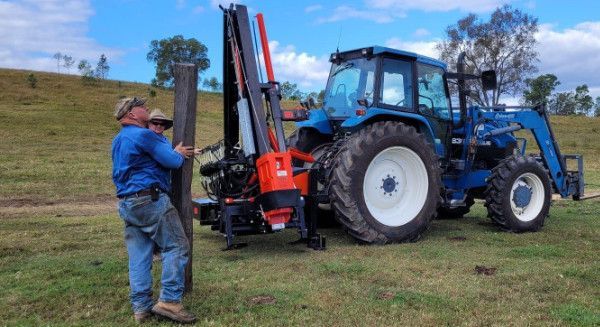
With rural fencing machines, fewer people are required to complete a fencing project. This reduces the likelihood of accidents and ensures a safer work environment. Farmers can work independently or with a small team, relying on the machine to handle the heavy lifting and dangerous tasks. The advanced technology of machines like QuikFence's Post Puncher makes fencing a one-person job in many cases, leading to safer working conditions on the farm.
7. Weather-Resistant and Durable Machines for Consistent Safety
Farmers often have to contend with harsh weather conditions when installing or repairing fences. Manual labour in extreme heat, cold, or rain increases the risk of accidents and can lead to dangerous working conditions. Fortunately, rural fencing machines are built to withstand various weather conditions, allowing farmers to work safely, regardless of the environment.
QuikFence’s fencing machines are designed for durability and can operate in tough conditions without compromising safety. This ensures that farmers can continue their work without exposing themselves to the hazards of manual labour in extreme weather.
Final Thoughts
Farmers face numerous risks when installing and maintaining fences manually, from physical strain to potential accidents. However, with the introduction of rural fencing machines, these risks are significantly reduced. Machines like post drivers and wire tensioners improve the safety, efficiency, and precision of farm fencing projects, allowing farmers to complete their tasks with greater ease and less risk of injury.
Companies like QuikFence provide farmers with cutting-edge farm fencing machines that are not only efficient but also designed with safety in mind. By investing in the right equipment, farmers can protect both their livestock and themselves, ensuring their farms remain secure and productive.
For more information on fencing machines and how they can improve safety on your farm, visit QuikFence.
The Post by QuikFence