Top Mistakes Farmers Make with Fencing and How to Avoid Them in 2026?

This is a subtitle for your new post
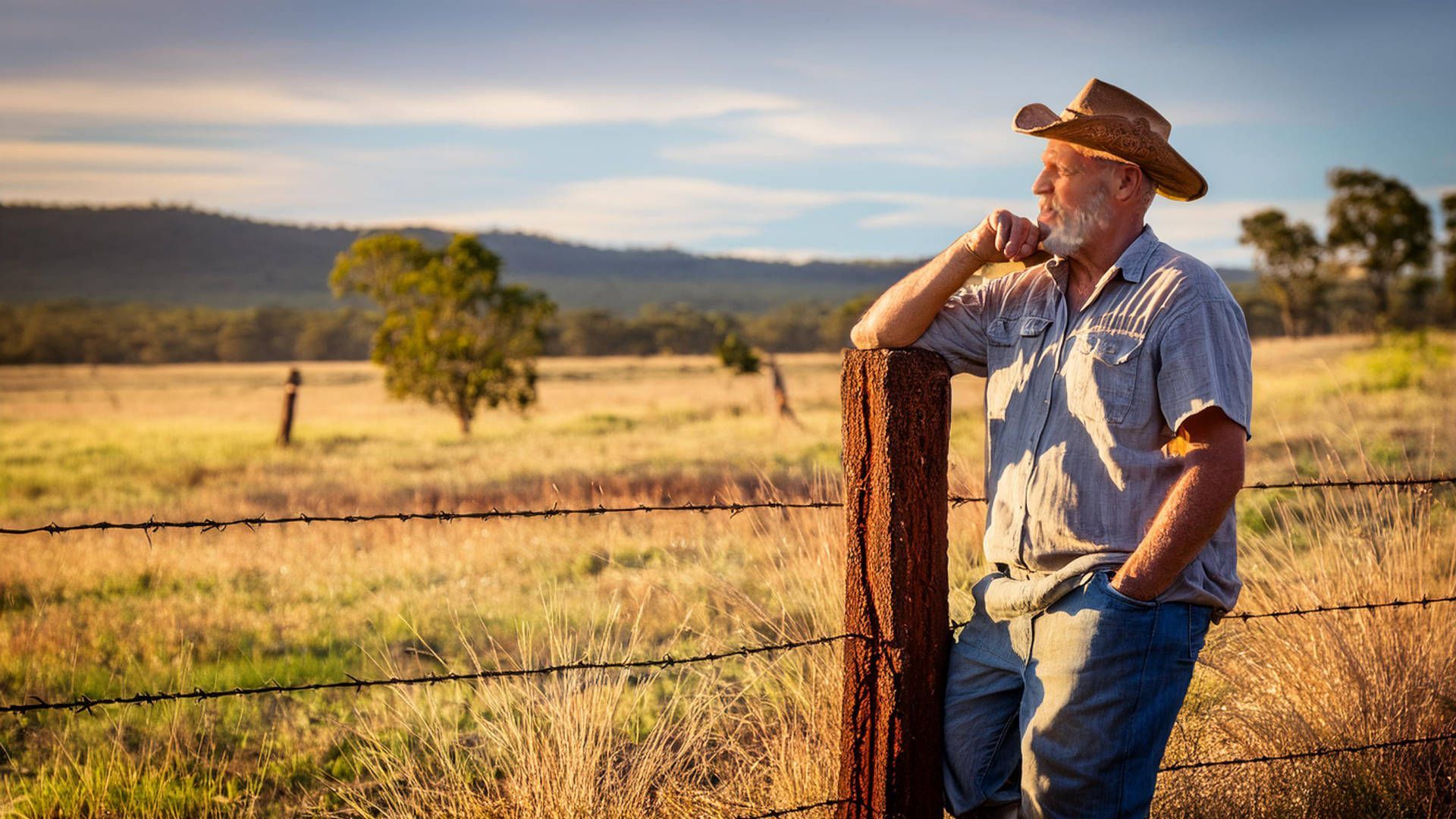
Building a fence is one of the jobs you have to rely on for later days. You work hard, wrestling wire mesh in the sun and a year later the line starts to sag or gates won’t swing open. 


In 2026, farming is changing fast. We are dealing with weirder weather, different livestock needs, and new tech that we didn’t even think about ten years ago. Still, some of the biggest headaches come from the same old mistakes that have been tripping us up for generations. I’ve seen enough leaning fences and escaped cattle to know where things usually go wrong. 


Let’s talk about how to get it right so you can spend your time on something other than fixing the same stretch of wire over and over again. 


When you Begin Without Planning 


The biggest mistake usually happens before you even touch a post digger. It’s poor planning. Too many of us start a line because we have a spare afternoon, only to realize halfway through that we didn't account for the rise in the hill or where the shadows fall in winter. 


Map out your property and changes in different seasons, livestock grazing, and waterflow, everything that can affect business productivity. 

  • Take the time to walk the line twice 
  • Mark out your corners with clear stakes 
  • Check for underground pipes, don't trust your memory 

Skimping on the Corner Posts 


If the corner post fails, the whole fence is basically a gentle push away from being an open ground. Lots of people try to save a few dollars by using lighter posts or shallower holes at the ends. It’s tempting when you’re looking at the bill, but a trap when you think of the bigger picture. 


Choosing the Wrong Fencing Equipment 


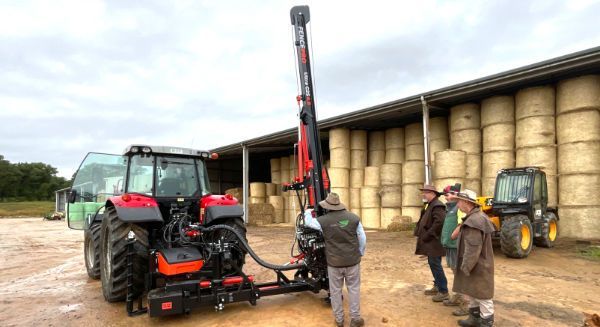
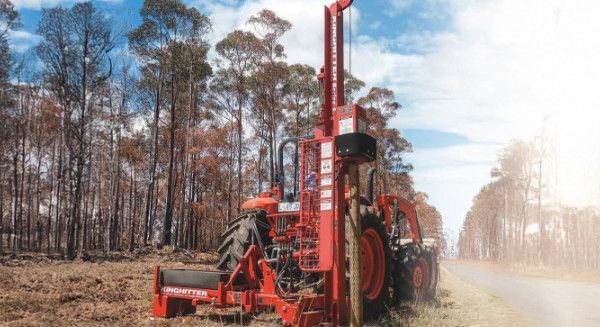
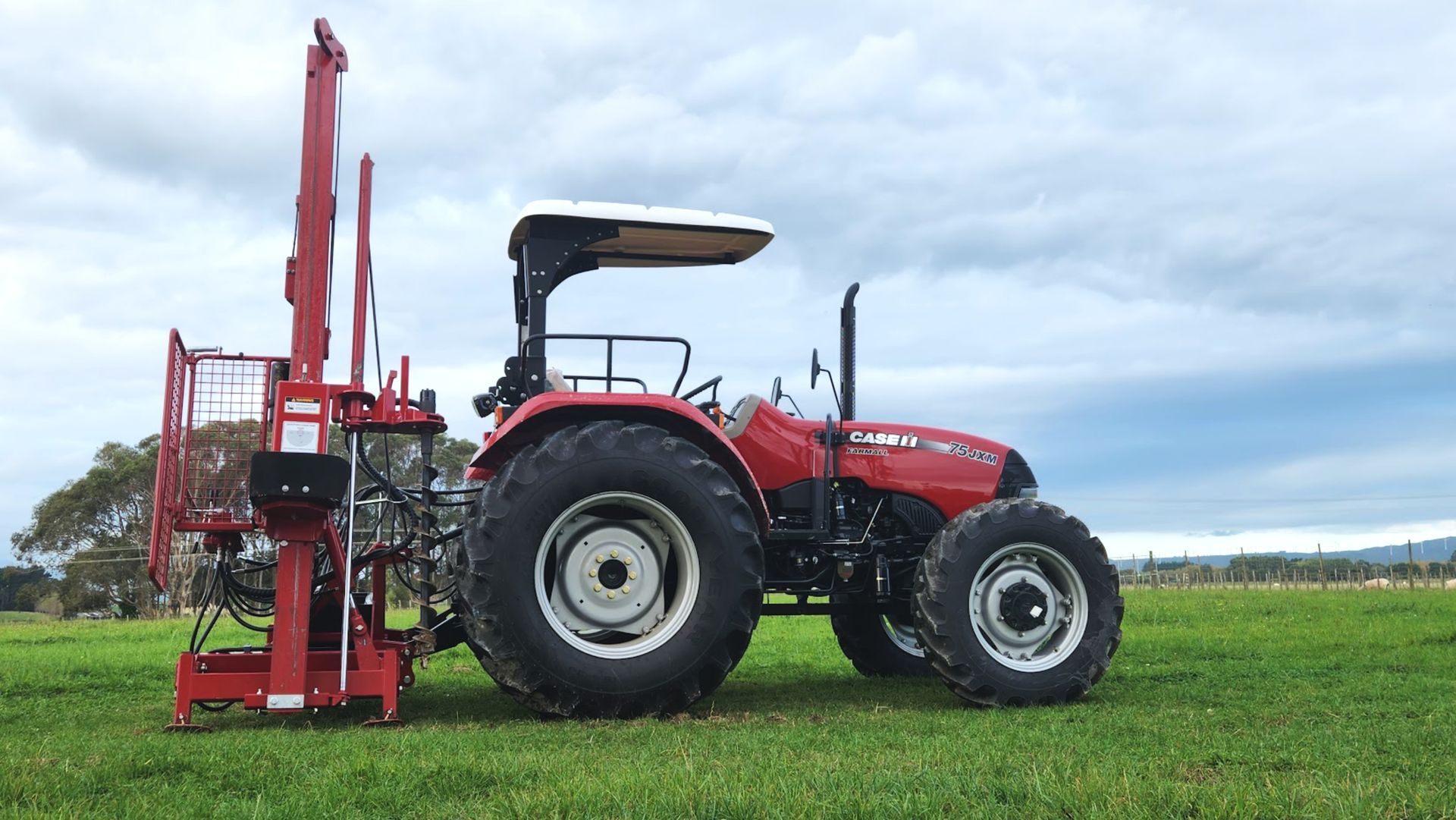
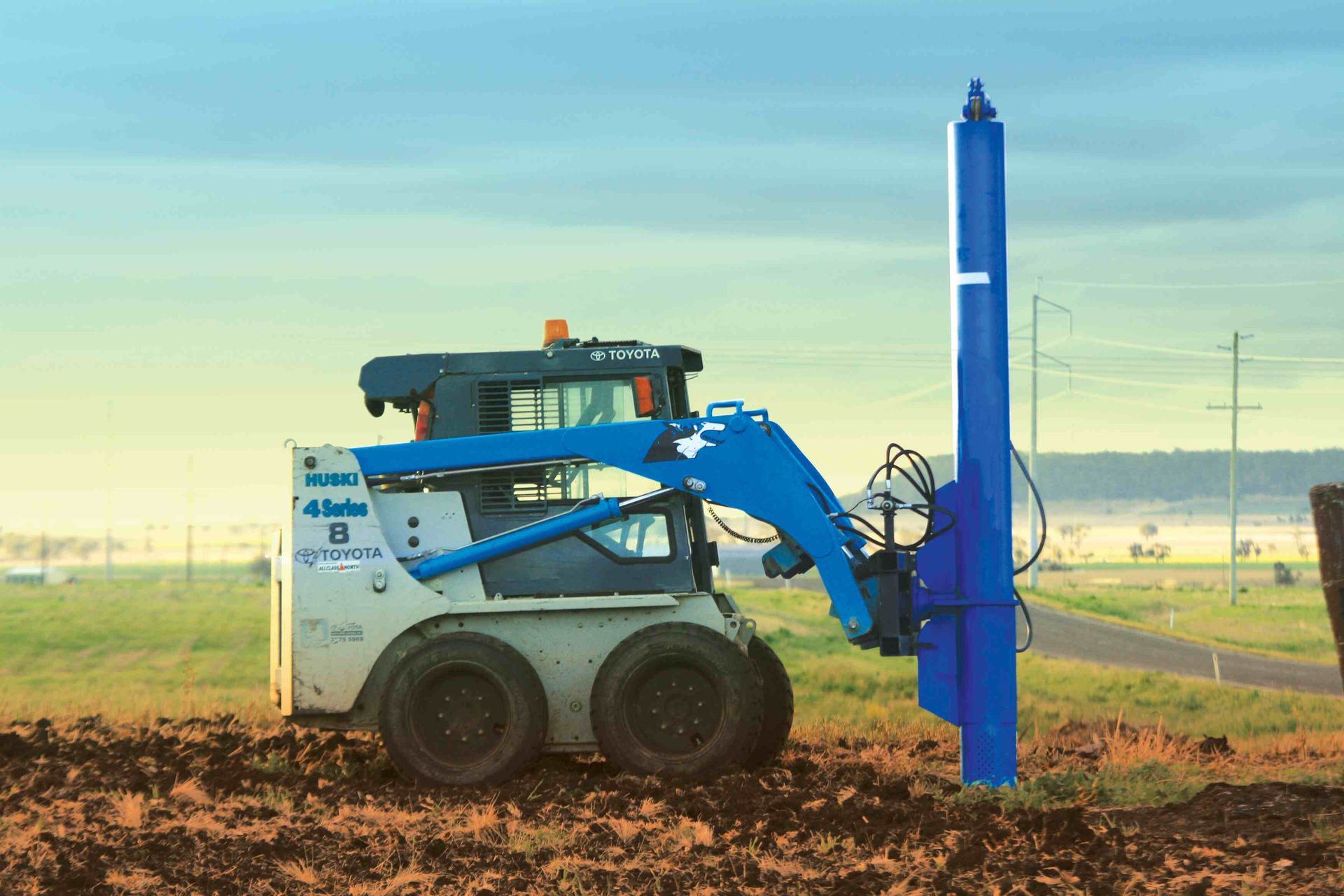
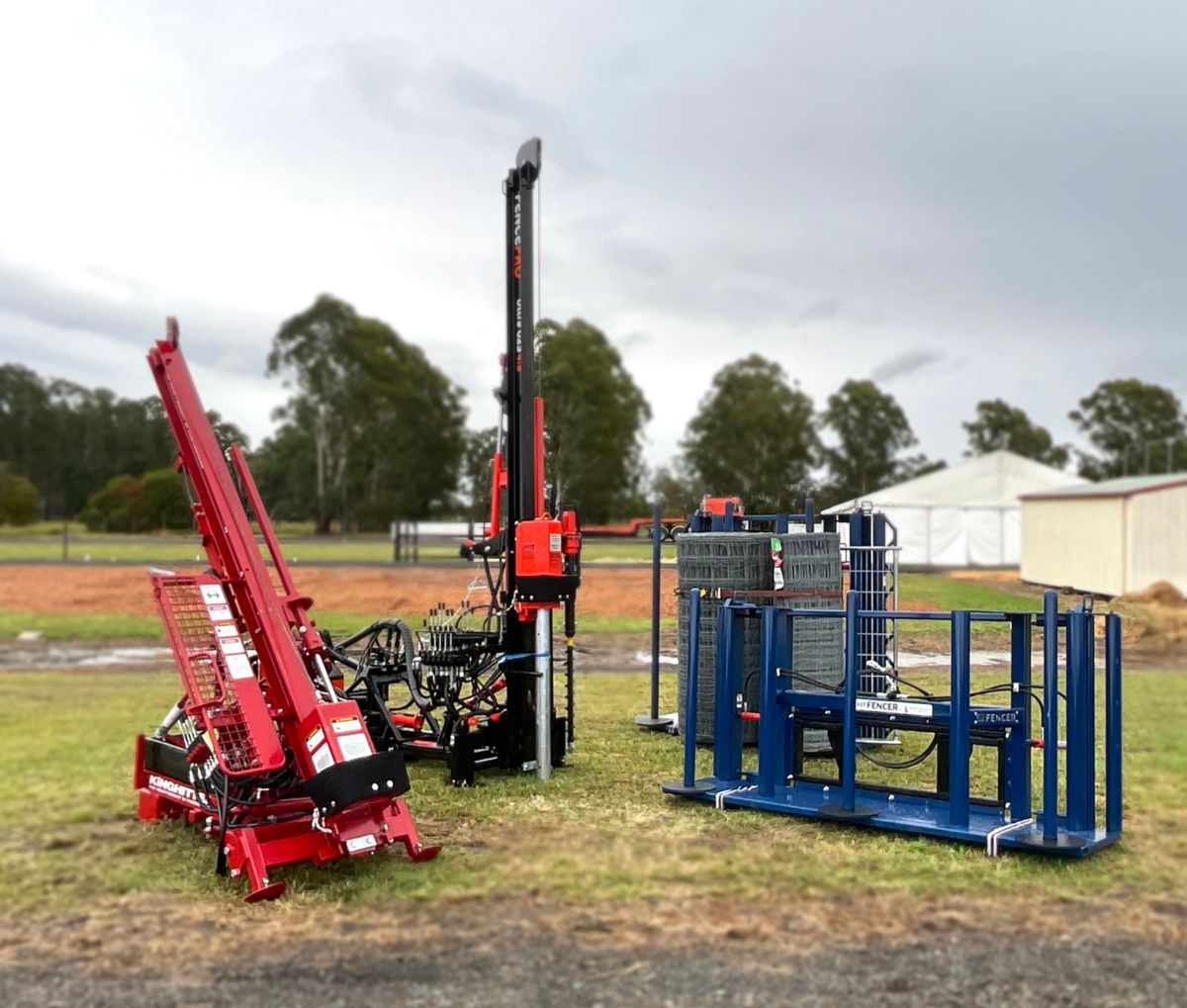
We know you want to use the machinery you bought last season. But using the wrong equipment for a specific job is the recipe for a sore back and bad results. The gear we have access to in 2026 is miles ahead of what we used to have. 

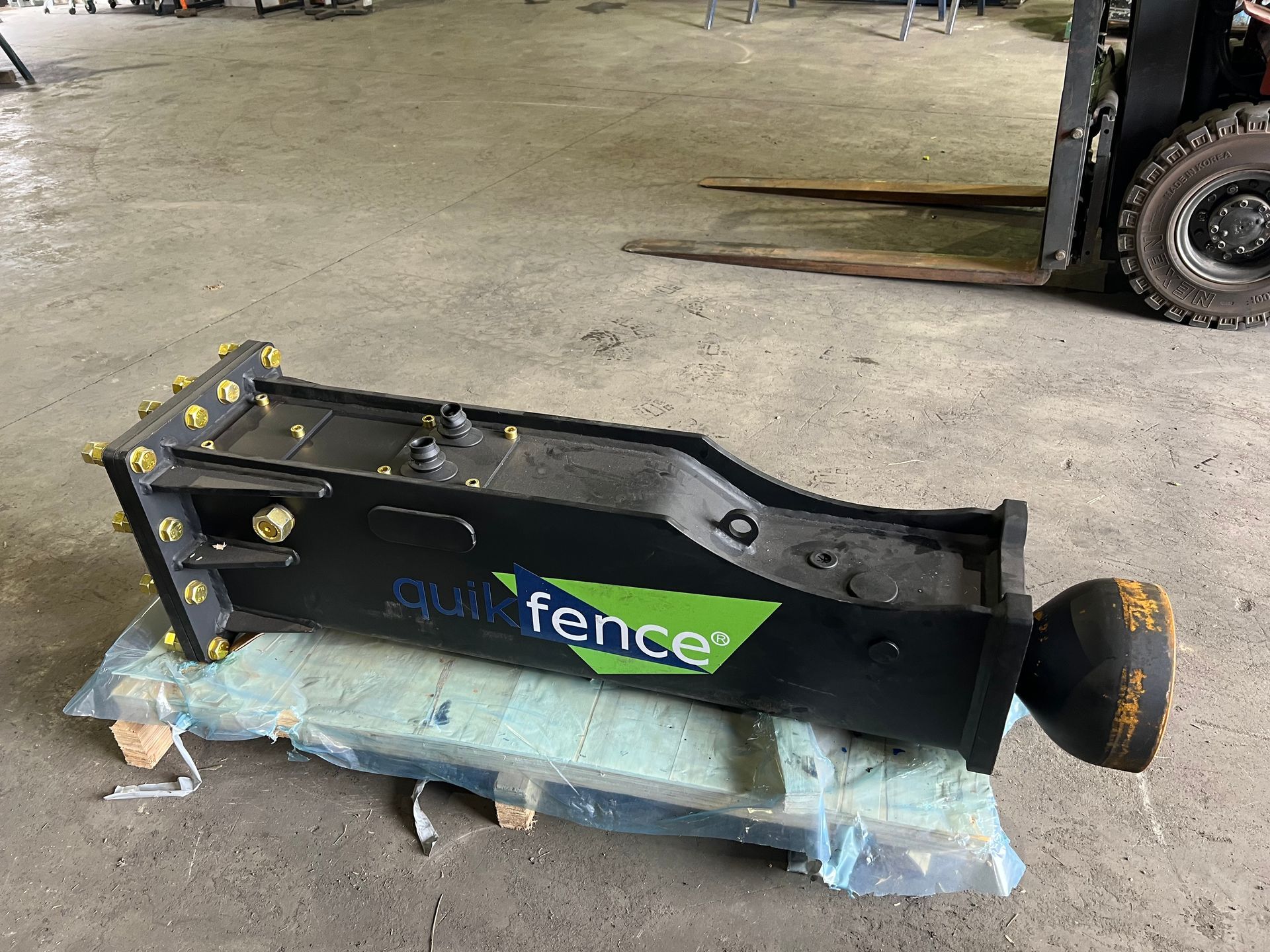
Investing in high-quality fencing machinery means you get the speed, safety, and reliability of that unit. 


Getting the Tension Wrong 


This is a tricky one. Most people either leave the wire too loose, which lets the stock push through, or they crank it so tight that the wire loses its elasticity.


Remember to: 

  • Use a proper tension gauge. 
  • Learn the nature of the wire being used 
  • Adjust for temperature changes 


Not Maintaining Your Work


Even the best-built line needs a look-over from time to time. This is not a “set and forget” job. The fence line could suffer pushes from livestock, natural crises or notorious behaviour from wildlife. Fallen branches on the wire or feral rabbit that dug too deep. 

Make it a habit to check your boundaries at least once a month. Catching a small sag today is a five-minute fix. Waiting until the wire snaps means a whole day of work and potentially chasing stock down the road.


Let’s Build Something That Lasts 


At the end of the day, a well-planned and smartly executed fence line stays upright. Cutting costs or just being too casual can cost you more than money. Use the right materials, get the best fencing equipment you can afford, and don't rush the process. 

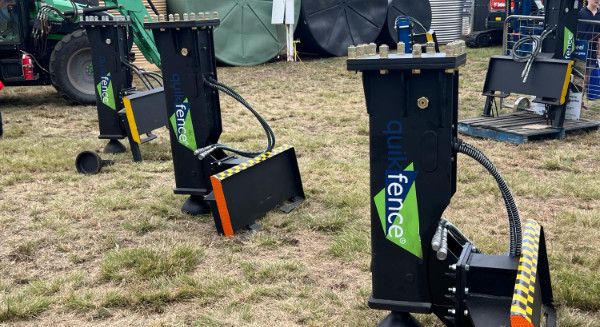
If you want to see the kind of gear that holds up in the Australian conditions, look at our range over at QuikFence. We’ve built our tools to handle exactly the kind of mistakes we just talked about. 


Want to upgrade your gear? Check out our latest fencing equipment online. 


The Post by QuikFence
by Jon Earl • 11 October 2026
Discover 5 ways modern fencing machinery improves farm safety, from reducing manual handling and injury risks to safer post driving on rough terrain.
by Jon Earl • 1 October 2026
Buying a hydraulic fence post driver? Learn the 7 key factors to check, including carrier compatibility, hammer weight, ground conditions, safety and build quality.
by Jon Earl • 24 September 2026
Compare the top fencing machines for farmers and contractors, from wire netting carriers to post drivers. Find the right fit for your terrain and job.
by Jon Earl • 11 September 2026
Learn how to rebuild flood-damaged farm fencing safely, from assessing damage and salvaging materials to choosing the right equipment and rebuilding for future floods.
by Jon Earl • 4 September 2026
Time lost on a fencing job rarely comes back. The season opens, the ground is workable, and there's a long run to get through before conditions change. Most people underestimate how much the choice of equipment shapes how that run actually goes. The gap between manual post driving and a post driver for a skid steer is bigger than most expect before they've experienced both side by side. The Reality of Manual Post Driving Manual post driving works. But working and working efficiently across a full day are two different things. Every post requires the operator to position equipment by hand, strike repeatedly, check alignment, correct if needed, and move on. On a short job with easy ground, that's manageable. Once the run stretches out, it becomes the thing that eats the day. Depth varies from post to post. Alignment drifts. The operator tires and small errors start creeping in before anyone notices. A job that looked achievable in the morning starts pushing into the next day. That's not a failure of effort. It's the natural limit of what manual methods can sustain across a serious fencing run. What Changes When a Skid Steer Gets Involved The operator stays in the cab throughout. The machine repositions between posts without anyone climbing off or dragging equipment into position by hand. The fence post driver handles the impact. The operator handles placement. That shift alone changes the pace of the whole job. The bigger change is consistency. Controlled hydraulic force delivers the same result post after post. Depth stays uniform. Alignment stays cleaner across the run. The small corrections that cost manual operators minutes at a time stop being a constant part of the day. ere the Time Actually Goes Faster driving is the obvious saving. A skid steer post driver gets through a post in a fraction of the time manual methods take. Across hundreds of posts, that adds up to hours, not minutes. Fewer corrections is the next one. Posts that go in consistently straight don't need adjusting. A fence line built with uniform depth and clean alignment doesn't need rework once the wire is up. Less fatigue is the saving that doesn't get counted but matters most. The physical load stays on the machine rather than the operator. The pace that starts the morning holds through the afternoon in a way that manual driving simply can't match once the day gets long. Hard Ground Is Where the Gap Really Opens Up On easy ground, manual post driving is slow. On hard ground it becomes genuinely difficult to sustain Compacted clay, rocky sections, ground baked dry across an Australian summer. These are the conditions where manual methods lose hours that don't come back. Progress slows, and the results get inconsistent just when the job needs them most. A post driver handles those changes without the operator having to compensate manually. The hydraulic system responds to resistance and the job keeps moving. In particularly tough or difficult to access sections, the PostPuncher can work on slopes, over ditches, and into spots where manual driving simply isn't a realistic option. Access Is Part of the Time Equation Too Manual driving means carrying or dragging equipment to each post location. A fence post driver on a skid steer moves with the machine. Tight corners, steep creek banks, narrow sections near yards and sheds. A skid steer gets into those spots without the setup that larger machinery requires. Less time getting to the post means more time actually driving it. What the Difference Looks Like Across a Season On a single job, the time saving is noticeable. Across a full season of fencing work, it becomes significant. Faster installation. Fewer corrections. Less fatigue dragging down the second half of the day. Better access across sections of the property that used to cause delays. All of it adds up across every run the season brings. For anyone still relying on manual methods for regular fencing work, the question isn't whether a skid steer post driver saves time. It's how much time has already been lost without one. QuikFence supplies a range of post drivers suited to skid steers and Australian conditions, including the PostPuncher, FencePro, and ThunderPro. Get in touch with our team to know which machine suits your work.
by Jon Earl • 17 August 2026
Discover 7 signs it's time to upgrade your post driver, from slow jobs and operator fatigue to hard ground, safety concerns and costly downtime.
by Jon Earl • 7 August 2026
Comparing the KingHitter and Bryce Suma post rammers? See how each hydraulic post driver performs so you can choose the right fit for your fencing needs.
Steer Post Driver
by Jon Earl • 31 July 2026
Learn how a skid steer post driver reduces operator fatigue, improves fence quality, and speeds up post installation across Australian farms.
 Skid Steer Post Driver
by Jon Earl • 24 July 2026
Choosing a skid steer post driver? Compare hydraulic, percussion & front-mounted options from QuikFence to match your ground, machine & posts.
Post drivers for sale
by Jon Earl • 16 July 2026
Keep your post driver in top condition with practical maintenance tips to extend equipment life, improve performance and reduce downtime.
More posts