How Heavy-Duty Gate Wheels Enhance the Functionality of Your Fencing?

This is a subtitle for your new post
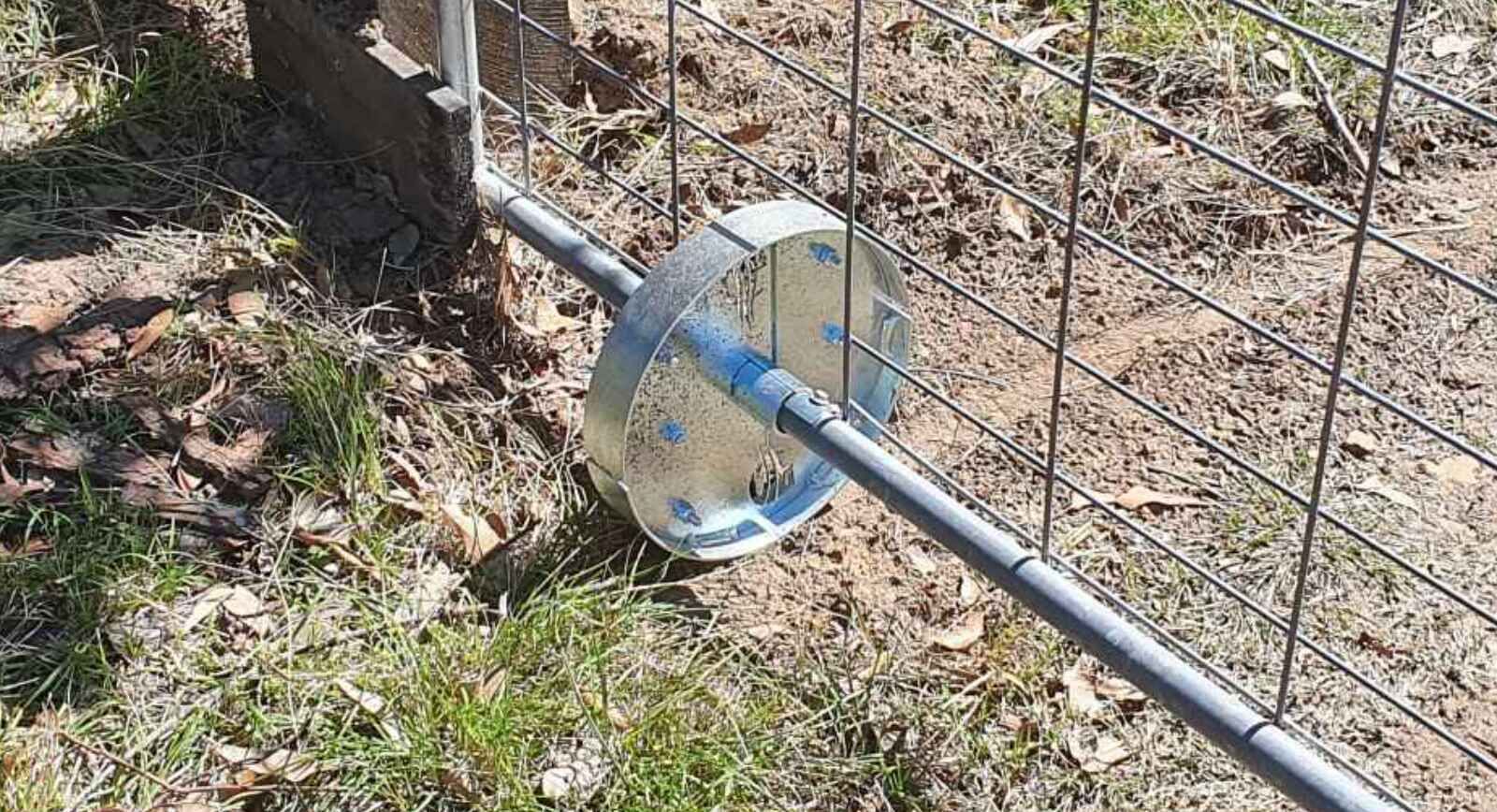
Heavy duty gate wheel

Property owners should excel in the various ways to put fences on buildings before deciding whether or not to erect a fence around their buildings. Fences play a major role in providing security, defining property boundaries, securing cattle, protecting crops and even enhancing the aesthetics. However, large and heavy steel fence gates can be a challenge when going through the daily tasks. The answer is, heavy duty gate wheels. Designed to support and ease the movement, these wheels make gate operation smoother and less laborious. 


Let’s learn more about this fencing invention that has revolutionised the efficiency of any property. We will also explore the installation process for QuikFence’s innovative Gate Wheel and its need in any fence and gate set-up.


What Are Heavy Duty Gate Wheels?


Heavy duty gate wheels, as the name reveals, are often referred to as fence gate wheels. They are designed to support the weight of heavy metal gates, making it easier for the user to open or close them. The QuikFence gate wheel works with heavy steel gates, farm gates, and even commercial property gates, they suit 25nb and 32nb pipe frames. These gate wheels reduce the physical effort required to push the weighted gate and protect it from wear and tear from friction. 


Get our low maintenance, highly durable solution that is perfect for a variety of environments, including homes, farms, rural properties, and businesses.


Benefits of Installing Fence Wheels

Utilising a gate wheels into your fencing system offers numerous benefits that we have listed below:


Easier Gate Operation


Steel gates can be huge and weigh a lot, making them hard to lift. However the use of heavy-duty gate wheels reduces the weight of the gates enabling you to open and shut them effortlessly. QuikFence Gate Wheel is meant for bulky steel gates so that a gentle push is all that is needed when opening your gate.


Other than just being easy, this method also lowers strain on your gate’s hinges and frame, which helps in avoiding long lasting effects as well as ensuring it operates.


Protect Your Gate and Fencing


Over time, heavy gates can cause stress on the gate frame and hinges, leading to sagging, misalignment, or even breakage. By supporting the gate’s weight with fence gate wheels, you distribute the load more evenly, alleviating the pressure on key structural components.


Our gate wheel helps prevent these issues by ensuring that the gate’s weight is transferred to the wheel, protecting the rest of the structure from unnecessary wear. This not only extends the life of your gate but also reduces the likelihood of costly repairs to supporting posts.


Suitable for a Range of Terrains


Whether your property has a smooth entrance or uneven ground, fence gate wheels make it easier to operate gates in challenging conditions. The robust wheel addition is enough to handle tough terrains like gravel, dirt, and grass, making it ideal for rural properties, farms, and industrial sites where the ground may not be perfectly level.


The wheel’s large diameter allows it to roll smoothly over bumps and uneven surfaces, ensuring consistent and hassle-free gate operation, regardless of the terrain.

Cost-Effective Maintenance


The constant friction occurs between a heavy gate and the ground without either fence wheels, which may eventually cause destruction before its time, thus needing frequent servicing or costly replacements. Gate wheels are the cost-effective solutions, as it prevents these issues before arising. This additional equipment is very low-maintenance and durable, which adds to its cost-effectiveness as you won’t have to face frequent adjustments or replacements.


In the end, this leads to the reduction of what it costs to maintain keeping your fence and gate system operating efficiently for the long term.


How to Install the QuikFence Gate Wheel?


One of the best features of QuikFence's Gate Wheel is how easy it is to install. With just six simple steps, you can add this heavy duty wheel to your gate, improving functionality almost immediately. Here’s how to do it:


Step 1: Prepare Your Gate

Their wheel needs a space of 200mm x 185mm to rotate on its axle. Depending on your gate’s design, you may need to cut a small space to accommodate the wheel.


Step 2: Attach the Axle Brackets

Place the axle brackets over the bottom rail of your gate, then bolt them securely onto the gate’s frame.


Step 3: Position the Wheel Halves

Next, place both halves of the wheel over the axle bracket. Ensure that the two pieces align properly before proceeding to the next step.


Step 4: Secure the Wheel

Insert bolts through the four outer holes of the wheel halves and tighten them to secure the two halves together firmly.


Step 5: Finalise the Bolts

Place the remaining two bolts through the axle bracket and the wheel halves, tightening them securely to keep everything in place.


Step 6: Fix the Brackets


Finally, use the supplied tek screws to fix the brackets on either side of the wheel to the gate. This will ensure that the wheel stays firmly attached and functions correctly.


If you're unsure about any part of the installation process, you can visit the QuikFencewebsite and watch a video showing the Gate Wheel being assembled and in action.


Enhance Your Fencing with Heavy Duty Gate Wheels


Heavy duty gate wheels are an essential upgrade for anyone dealing with heavy steel gates on their property. By adding a fence wheel, you can dramatically improve the functionality of your fencing system, protect your gate from damage, and ensure safe, easy operation for years to come.


With QuikFence's Gate Wheel, you get a robust, reliable solution that’s easy to install and maintain. If you’re looking to reduce the strain of opening heavy steel gates while protecting your investment, consider adding fence gate wheels today.


The Post by QuikFence

by Jon Earl 11 September 2026
Learn how to rebuild flood-damaged farm fencing safely, from assessing damage and salvaging materials to choosing the right equipment and rebuilding for future floods.
by Jon Earl 4 September 2026
Time lost on a fencing job rarely comes back. The season opens, the ground is workable, and there's a long run to get through before conditions change. Most people underestimate how much the choice of equipment shapes how that run actually goes. The gap between manual post driving and a post driver for a skid steer is bigger than most expect before they've experienced both side by side. The Reality of Manual Post Driving Manual post driving works. But working and working efficiently across a full day are two different things. Every post requires the operator to position equipment by hand, strike repeatedly, check alignment, correct if needed, and move on. On a short job with easy ground, that's manageable. Once the run stretches out, it becomes the thing that eats the day. Depth varies from post to post. Alignment drifts. The operator tires and small errors start creeping in before anyone notices. A job that looked achievable in the morning starts pushing into the next day. That's not a failure of effort. It's the natural limit of what manual methods can sustain across a serious fencing run. What Changes When a Skid Steer Gets Involved The operator stays in the cab throughout. The machine repositions between posts without anyone climbing off or dragging equipment into position by hand. The fence post driver handles the impact. The operator handles placement. That shift alone changes the pace of the whole job. The bigger change is consistency. Controlled hydraulic force delivers the same result post after post. Depth stays uniform. Alignment stays cleaner across the run. The small corrections that cost manual operators minutes at a time stop being a constant part of the day. ere the Time Actually Goes Faster driving is the obvious saving. A skid steer post driver gets through a post in a fraction of the time manual methods take. Across hundreds of posts, that adds up to hours, not minutes. Fewer corrections is the next one. Posts that go in consistently straight don't need adjusting. A fence line built with uniform depth and clean alignment doesn't need rework once the wire is up. Less fatigue is the saving that doesn't get counted but matters most. The physical load stays on the machine rather than the operator. The pace that starts the morning holds through the afternoon in a way that manual driving simply can't match once the day gets long. Hard Ground Is Where the Gap Really Opens Up On easy ground, manual post driving is slow. On hard ground it becomes genuinely difficult to sustain Compacted clay, rocky sections, ground baked dry across an Australian summer. These are the conditions where manual methods lose hours that don't come back. Progress slows, and the results get inconsistent just when the job needs them most. A post driver handles those changes without the operator having to compensate manually. The hydraulic system responds to resistance and the job keeps moving. In particularly tough or difficult to access sections, the PostPuncher can work on slopes, over ditches, and into spots where manual driving simply isn't a realistic option. Access Is Part of the Time Equation Too Manual driving means carrying or dragging equipment to each post location. A fence post driver on a skid steer moves with the machine. Tight corners, steep creek banks, narrow sections near yards and sheds. A skid steer gets into those spots without the setup that larger machinery requires. Less time getting to the post means more time actually driving it. What the Difference Looks Like Across a Season On a single job, the time saving is noticeable. Across a full season of fencing work, it becomes significant. Faster installation. Fewer corrections. Less fatigue dragging down the second half of the day. Better access across sections of the property that used to cause delays. All of it adds up across every run the season brings. For anyone still relying on manual methods for regular fencing work, the question isn't whether a skid steer post driver saves time. It's how much time has already been lost without one. QuikFence supplies a range of post drivers suited to skid steers and Australian conditions, including the PostPuncher, FencePro, and ThunderPro. Get in touch with our team to know which machine suits your work.
by Jon Earl 17 August 2026
Discover 7 signs it's time to upgrade your post driver, from slow jobs and operator fatigue to hard ground, safety concerns and costly downtime.
by Jon Earl 7 August 2026
Comparing the KingHitter and Bryce Suma post rammers? See how each hydraulic post driver performs so you can choose the right fit for your fencing needs.
Steer Post Driver
by Jon Earl 31 July 2026
Learn how a skid steer post driver reduces operator fatigue, improves fence quality, and speeds up post installation across Australian farms.
 Skid Steer Post Driver
by Jon Earl 24 July 2026
Choosing a skid steer post driver? Compare hydraulic, percussion & front-mounted options from QuikFence to match your ground, machine & posts.
Post drivers for sale
by Jon Earl 16 July 2026
Keep your post driver in top condition with practical maintenance tips to extend equipment life, improve performance and reduce downtime.
by Jon Earl 6 July 2026
Learn how the KingHitter post driver outperforms traditional post rammers with improved safety, consistent performance, and greater efficiency.
by Jon Earl 30 June 2026
Discover why more Australian farmers are investing in post-driving equipment to improve fencing efficiency, reduce labour, and boost productivity.
by Jon Earl 19 June 2026
Discover why contractors choose tractor mounted post drivers over standalone models for faster fencing, greater precision, less labour and consistent results.
More posts